ASUS TUF Gaming FA617XT-CS94 RAM upgrade specifications


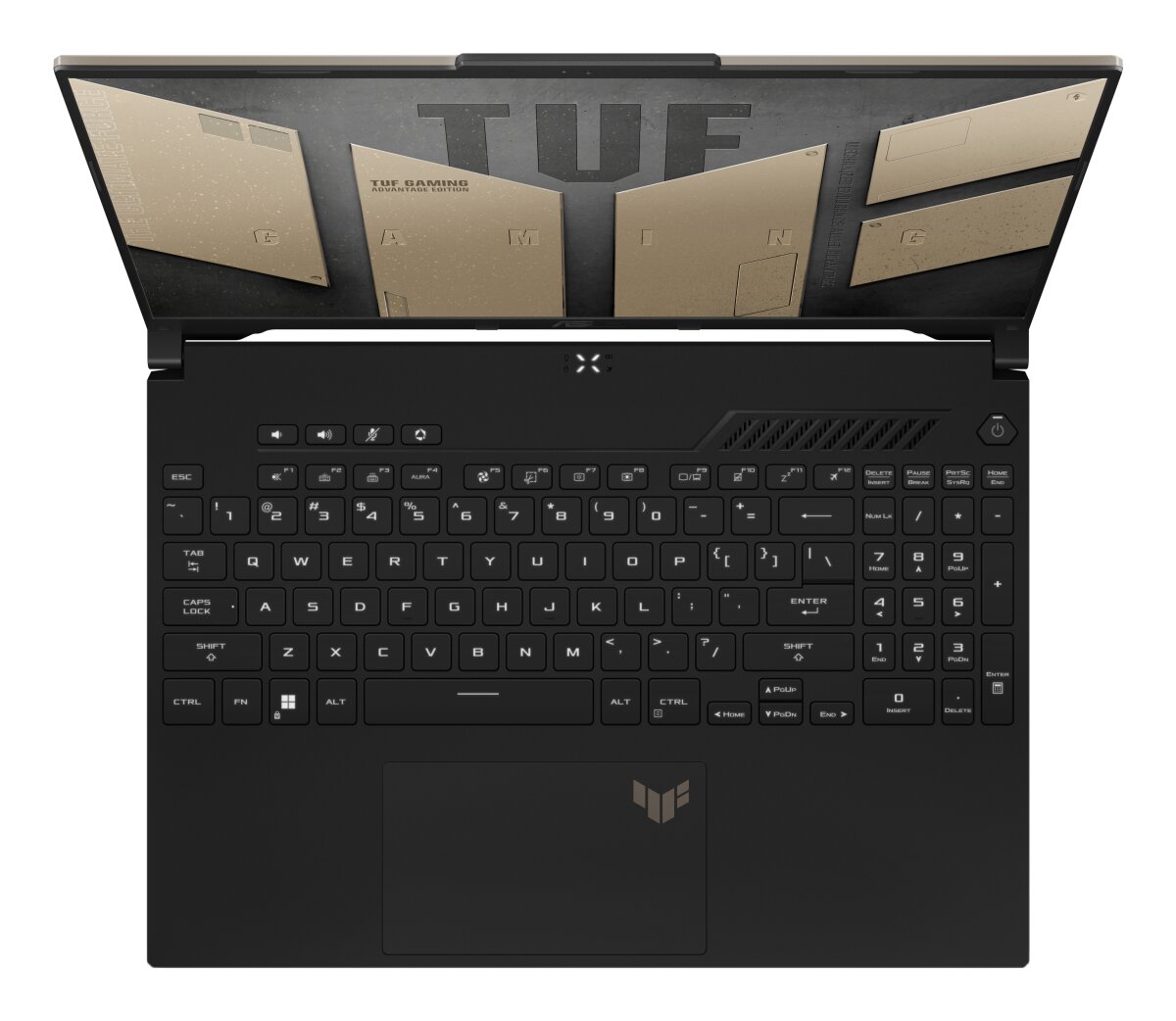
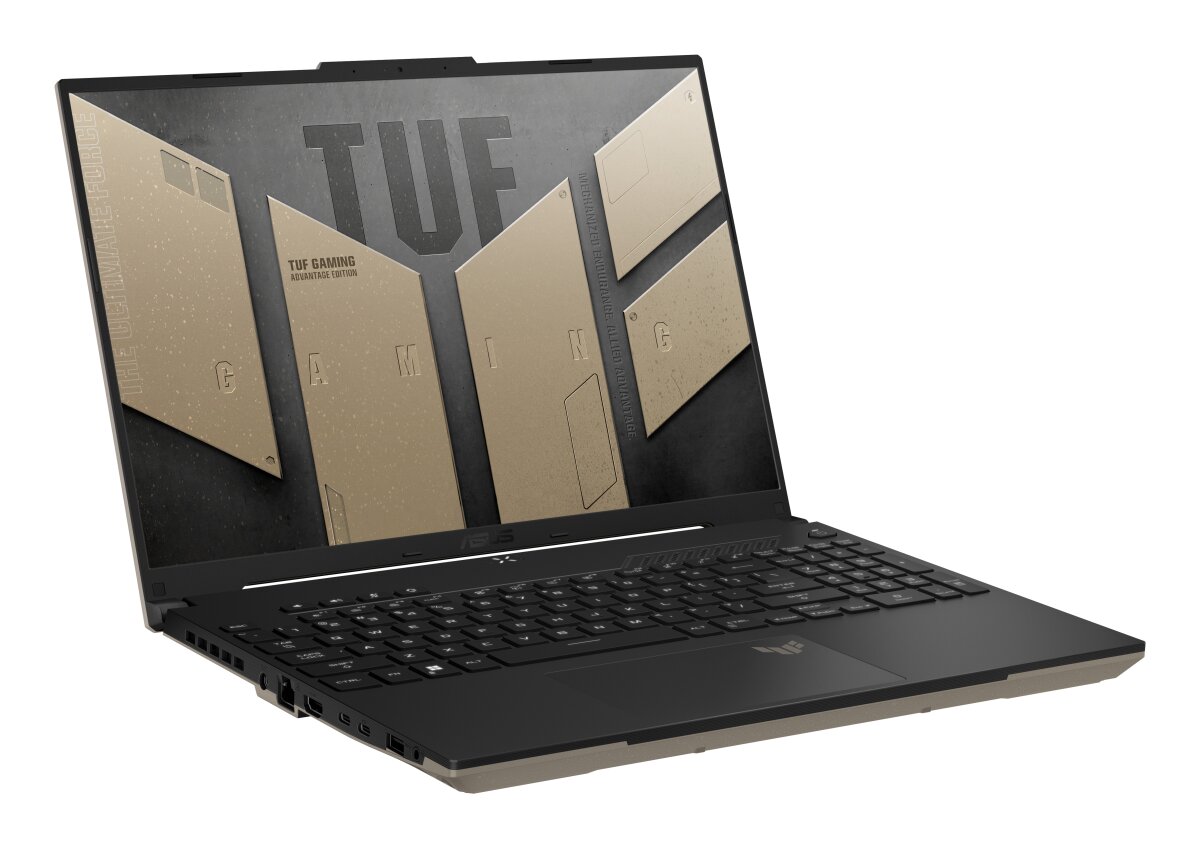
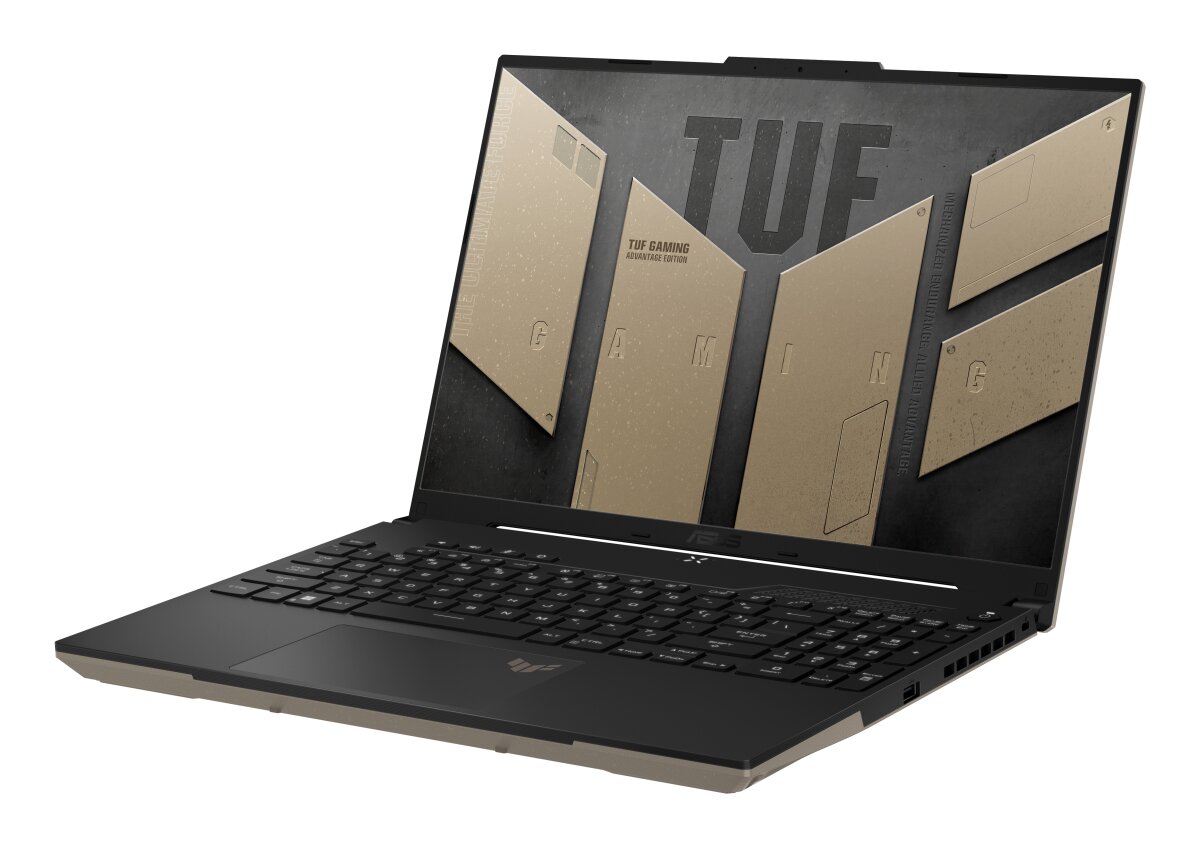
ASUS TUF Gaming A16 Advantage Edition model FA617XT-CS94 features two SO-DIMM slots supporting DDR5-SDRAM memory at 4800 MHz frequency. The laptop accommodates a maximum RAM capacity of 32 GB through compatible memory upgrades. Specifications indicate the device accepts standard SO-DIMM form factor modules for memory expansion and enhancement of system performance capabilities.
Memory Upgrade Specifications
| Specification | Value |
|---|---|
| Memory slots | 2x SO-DIMM |
| Form factor | SO-DIMM |
| Memory type | DDR5-SDRAM |
| Frequency | 4800 MHz |
| Maximum RAM | 32 GB |
| Voltage | 1.1V |
| Number of pins | 262-pin |
| Interface | PC5 |
| PC Speed Rating | PC5-4800 (PC5-38400) |
| Bandwidth | 38.4 GB/s |
Additional Notes
- The ASUS TUF Gaming FA617XT-CS94 accepts only DDR5 modules, making DDR4 installations physically incompatible due to different notch positions on the memory cards.
- The 32 GB ceiling represents a motherboard controller limitation rather than a slot restriction, preventing recognition of higher-capacity modules even if physically installed.
- SO-DIMM form factor compliance is mandatory, as standard DIMM modules designed for desktop systems will not fit the smaller laptop socket dimensions.
- Dual-channel memory architecture activates only when both slots contain matching capacity modules, otherwise reverting to single-channel mode with halved theoretical bandwidth.
- The 4800 MHz native frequency operates without requiring manual overclocking profiles, though faster-rated modules will downclock to this specification when installed.
- Memory replacement typically preserves manufacturer warranty coverage, unlike soldered configurations where access attempts void service agreements.
- DDR5 voltage requirements differ from DDR4 standards, with lower operating voltages reducing heat generation during sustained workloads.
- Population of both slots requires verifying clearance beneath the keyboard assembly, as some chassis designs limit module height to low-profile variants.
- The dual-slot configuration allows asymmetric capacity distribution, though unequal sizing between slots disables flex mode optimizations on certain chipsets.
- JEDEC-standard modules guarantee baseline compatibility, while XMP or EXPO profiles may require BIOS support to achieve advertised speeds beyond the 4800 MHz specification.