ASUS TUF Gaming FA617XS-N4078W RAM upgrade specifications
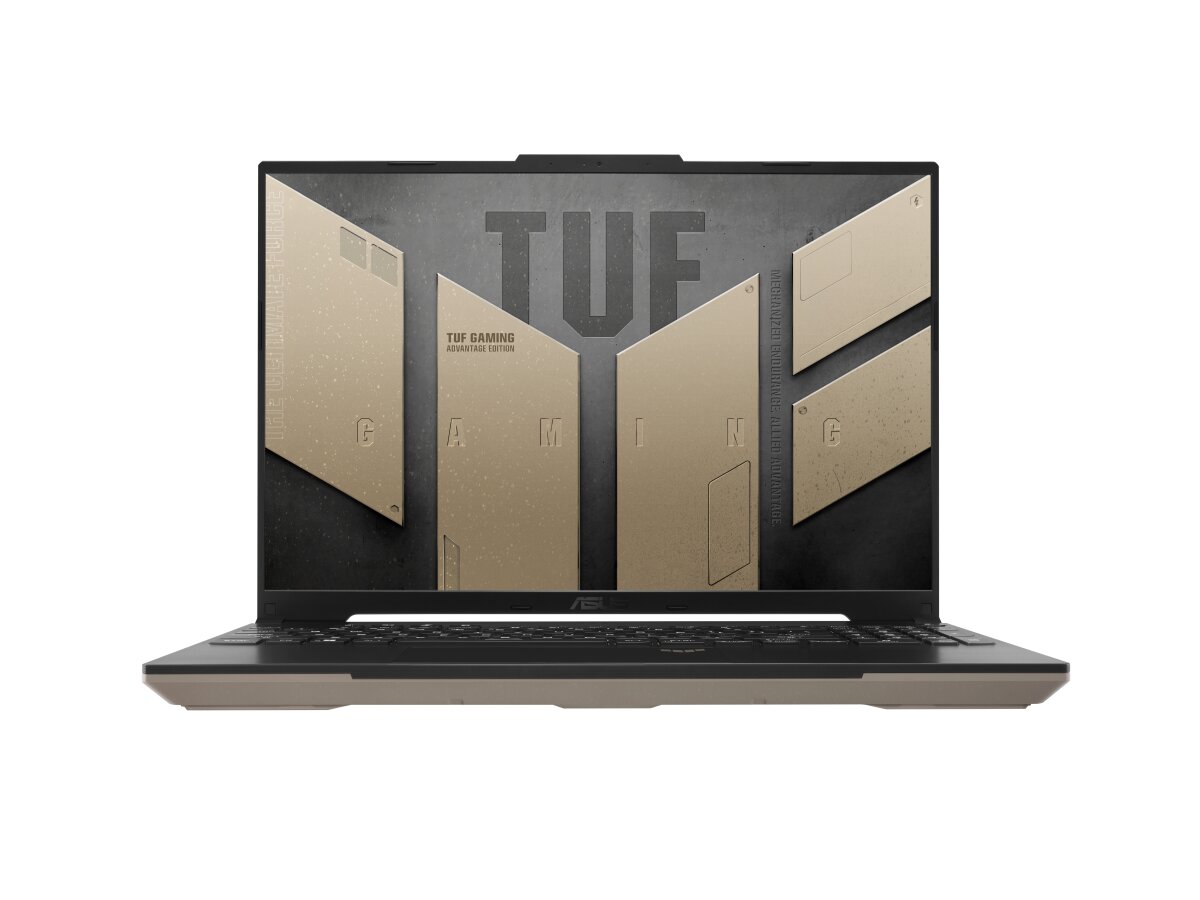

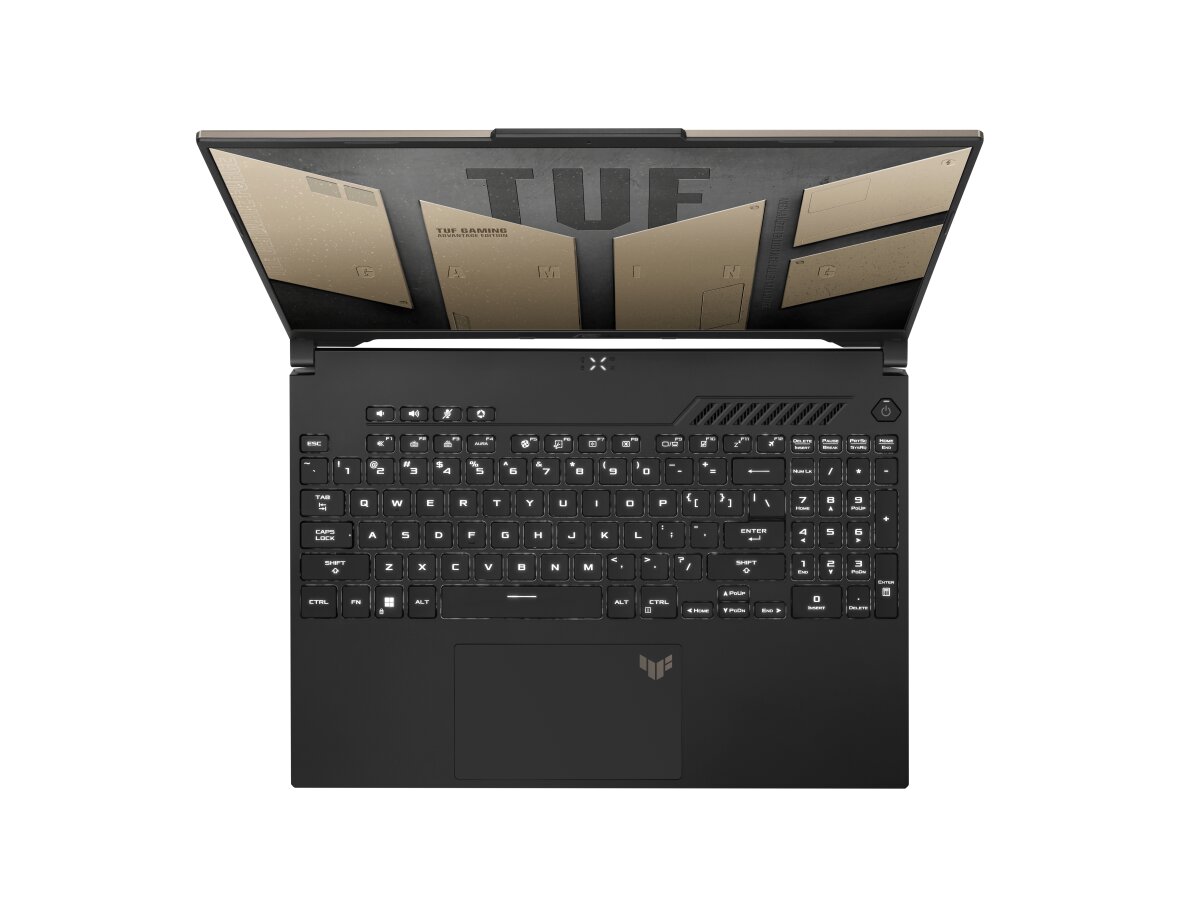

ASUS TUF Gaming A16 Advantage Edition FA617XS-N4078W compatible memory upgrade specifications: DDR5-SDRAM technology, 2x SO-DIMM slots, maximum RAM capacity 32 GB, 4800 MHz frequency. Upgrade options support DDR5 modules for enhanced performance in compatible configurations. Specifications reference SO-DIMM form factor standard for laptop installations.
Memory Upgrade Specifications
| Specification | Value |
|---|---|
| Memory slots | 2x SO-DIMM |
| Form factor | SO-DIMM |
| Memory type | DDR5-SDRAM |
| Frequency | 4800 MHz |
| Maximum RAM | 32 GB |
| Voltage | 1.1V |
| Number of pins | 262-pin |
| Interface | PC5 |
| PC Speed Rating | PC5-4800 (PC5-38400) |
| Bandwidth | 38.4 GB/s |
Additional Notes
- The ASUS TUF Gaming FA617XS-N4078W implements a 32 GB memory ceiling that limits professional workloads requiring larger datasets, virtualization environments, or content creation projects that benefit from buffer sizes exceeding this threshold.
- DDR5-4800 represents the JEDEC baseline specification for DDR5 technology, offering 50% theoretical bandwidth improvement over DDR4-3200 but operating below the higher-frequency kits commonly available in retail channels at 5200 MHz, 5600 MHz, or 6000 MHz.
- Installing faster DDR5 modules rated above 4800 MHz will result in automatic downclocking to 4800 MHz, as the memory controller enforces this frequency ceiling regardless of module capabilities.
- The dual SO-DIMM configuration enables functional dual-channel operation only when both slots contain capacity-matched modules, creating a practical requirement for paired purchases rather than single-module upgrades.
- Mismatched capacity installation across the 2 slots forces the system into asymmetric or flex mode, potentially reducing memory bandwidth in applications that depend on sustained parallel memory access patterns.
- SO-DIMM physical packaging restricts compatibility to notebook-specific modules, preventing the use of standard desktop DIMM memory and typically commanding higher per-gigabyte pricing in consumer markets.
- DDR5 architecture mandates on-module voltage regulation through a power management integrated circuit, introducing compatibility dependencies on PMIC firmware versions that may affect stability with certain third-party modules.
- The 32 GB maximum enforced by the memory controller or BIOS prevents recognition of higher-density modules such as 24 GB or 32 GB SO-DIMMs even when physically installed in both slots.
- Memory access latency at 4800 MHz typically ranges between CL40 and CL46 for consumer DDR5 modules, representing higher absolute nanosecond latency compared to optimized DDR4 kits despite superior bandwidth characteristics.
- Warranty preservation requires verifying that memory replacement qualifies as user-serviceable maintenance under the manufacturer's terms, as some jurisdictions treat SO-DIMM access differently than storage upgrades regarding seal integrity.
- Thermal considerations become relevant under sustained memory-intensive operations, as DDR5 modules generate increased heat output compared to DDR4 predecessors, potentially interacting with adjacent cooling pathways in compact chassis designs.