ASUS TUF Gaming FA617XS-N3042W RAM upgrade specifications




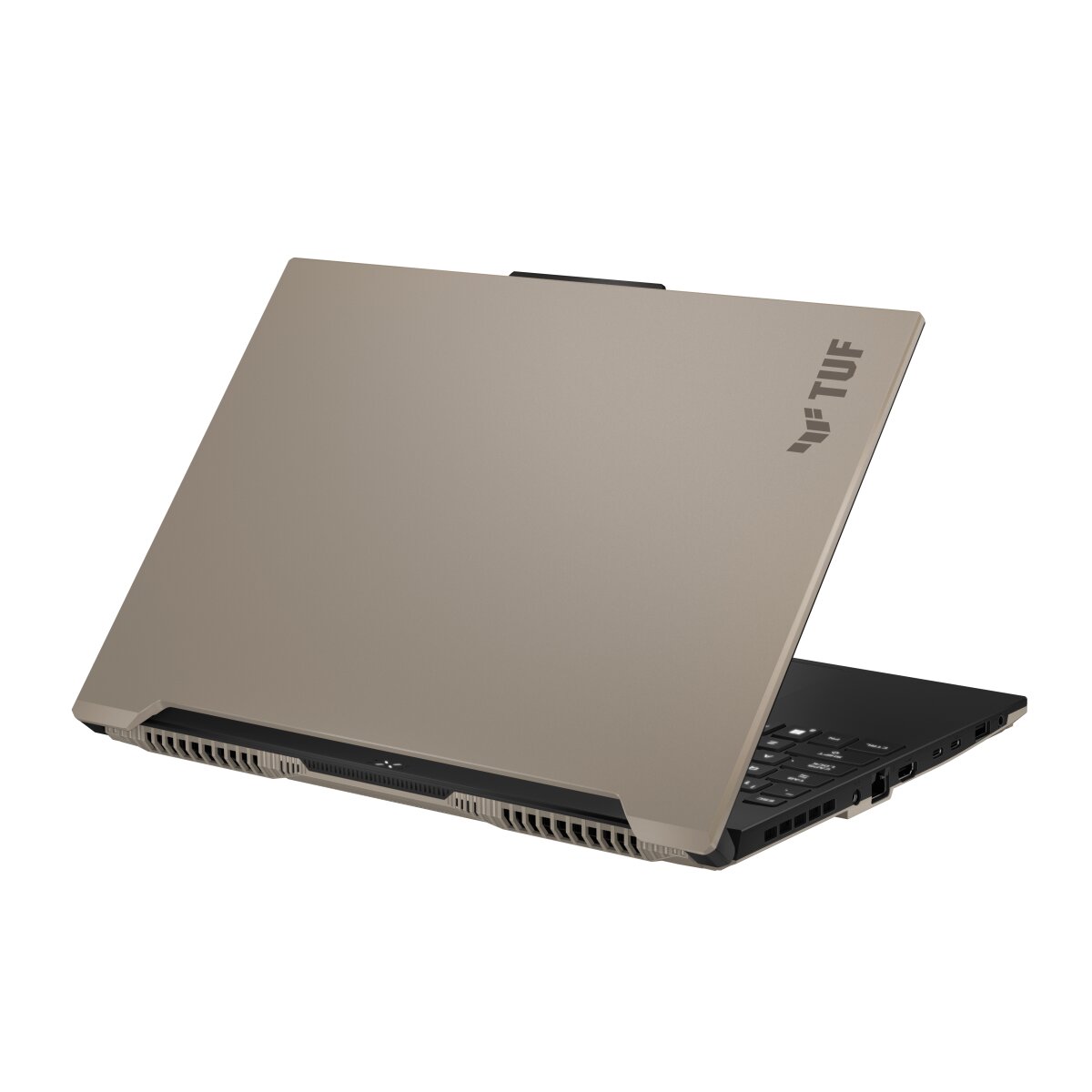
The ASUS TUF Gaming A16 Advantage Edition FA617XS-N3042W laptop features DDR5-SDRAM memory with two SO-DIMM slots supporting maximum RAM capacity of 32 GB. Compatible memory upgrades operate at 4800 MHz frequency. Current specifications and upgrade options are limited to DDR5 SO-DIMM modules meeting these compatibility parameters for the A16 Advantage Edition series.
Memory Upgrade Specifications
| Specification | Value |
|---|---|
| Memory slots | 2x SO-DIMM |
| Form factor | SO-DIMM |
| Memory type | DDR5-SDRAM |
| Frequency | 4800 MHz |
| Maximum RAM | 32 GB |
| Voltage | 1.1V |
| Number of pins | 262-pin |
| Interface | PC5 |
| PC Speed Rating | PC5-4800 (PC5-38400) |
| Bandwidth | 38.4 GB/s |
| Laptop Release date | 30 April 2023 |
Additional Notes
- The ASUS TUF Gaming FA617XS-N3042W imposes a 32 GB ceiling due to chipset or BIOS limitations, preventing recognition of higher-density modules even if physically compatible.
- DDR5-4800 represents JEDEC baseline specification, suggesting the memory controller may support faster speeds through XMP/EXPO profiles if the BIOS exposes overclocking features.
- Dual-channel configuration requires matching module specifications across both SO-DIMM slots to avoid reverting to single-channel mode or asymmetric operation.
- SO-DIMM DDR5 modules operate at 1.1V nominal voltage, eliminating the need to verify voltage compatibility that plagued DDR4 upgrades.
- Physical clearance conflicts are unlikely since SO-DIMM slots typically sit beneath service panels, but verifying module height under 30mm prevents interference with thermal components.
- Mixing DDR5 speeds across slots forces the memory controller to downclock all modules to the slowest common frequency, wasting performance headroom from faster DIMMs.
- Warranty preservation requires avoiding BIOS modifications or non-standard voltage settings, limiting practical upgrades to JEDEC-compliant modules within the 32 GB boundary.
- The 4800 MHz data rate delivers 38.4 GB/s theoretical bandwidth per channel, totaling 76.8 GB/s in dual-channel mode before accounting for real-world efficiency losses.
- Upgrading from asymmetric configurations to matched capacity pairs eliminates flex mode penalties and ensures symmetric rank interleaving for consistent latency.
- ECC SO-DIMM modules remain physically incompatible unless explicitly supported in specifications, as consumer chipsets typically lack error correction logic.