ASUS TUF Gaming FA706NF-HX004W RAM upgrade specifications



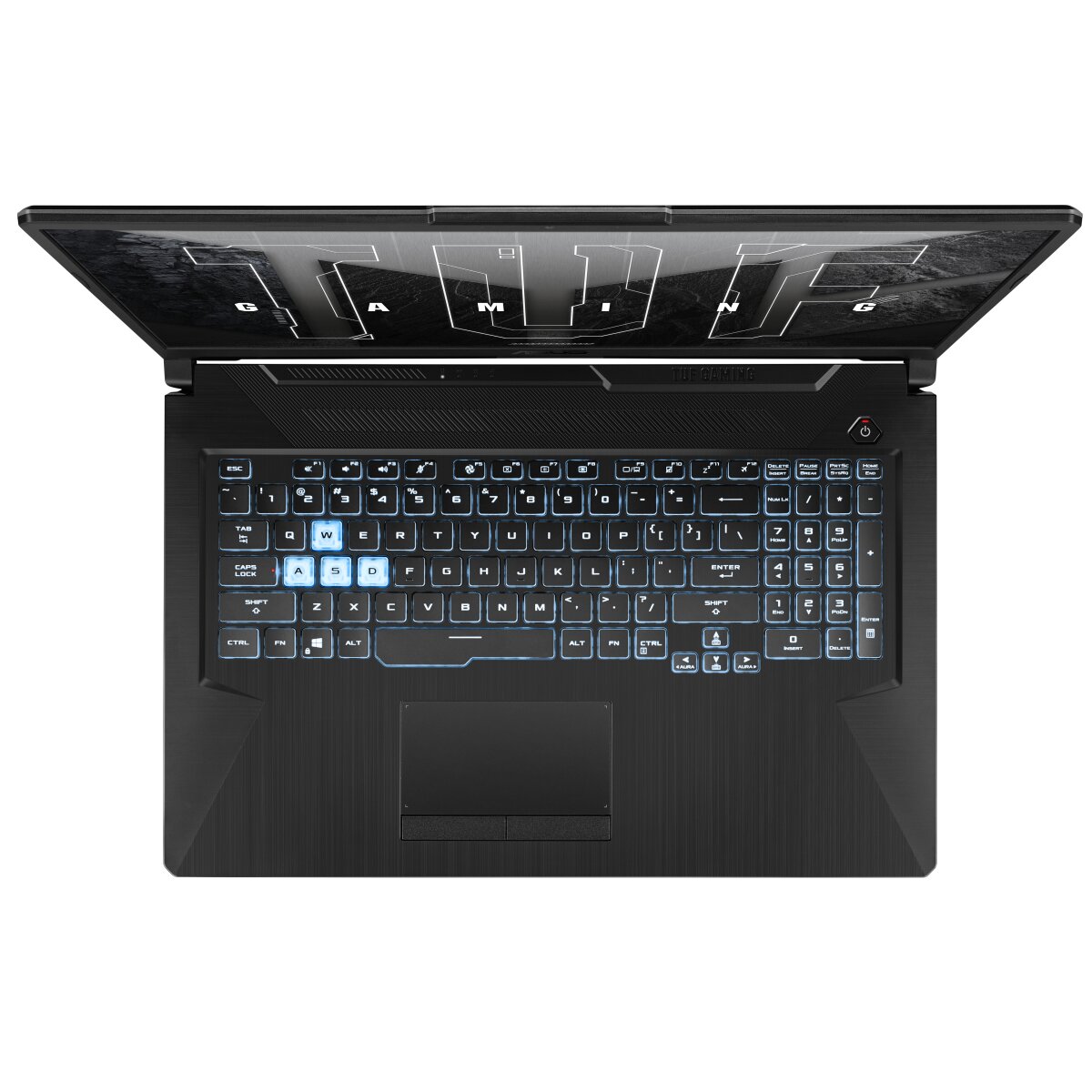
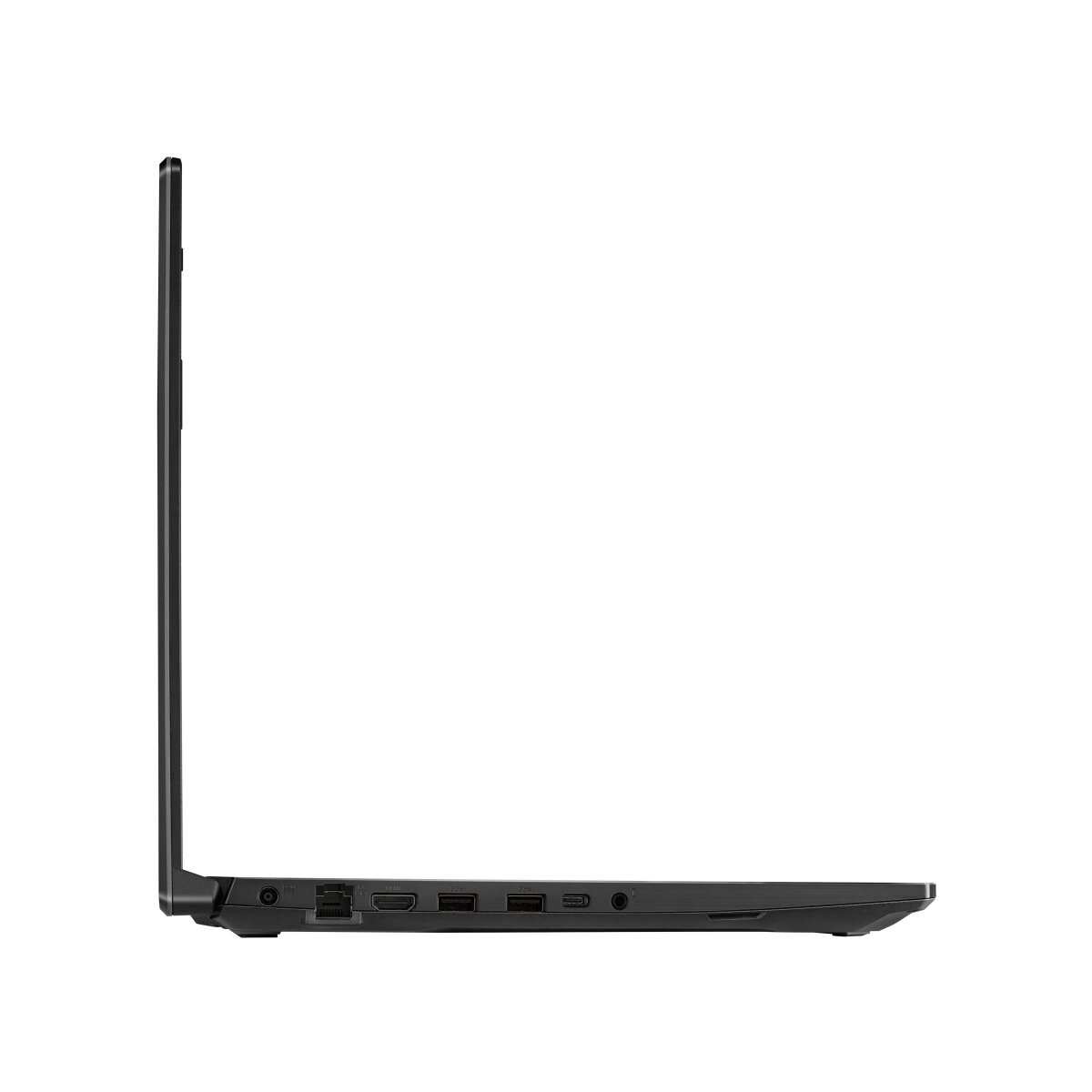
ASUS TUF Gaming A17 FA706NF-HX004W upgrade specifications include DDR5-SDRAM memory compatibility with 2x SO-DIMM slots supporting maximum capacity of 32 GB total RAM. Compatible memory operates at 5600 MHz frequency. Upgrading requires SO-DIMM form factor modules. Specifications indicate available upgrade pathways for enhanced system performance through compatible DDR5 memory modules meeting stated frequency and capacity parameters.
Memory Upgrade Specifications
| Specification | Value |
|---|---|
| Memory slots | 2x SO-DIMM |
| Form factor | SO-DIMM |
| Memory type | DDR5-SDRAM |
| Frequency | 5600 MHz |
| Maximum RAM | 32 GB |
| Voltage | 1.1V |
| Number of pins | 262-pin |
| Interface | PC5 |
| PC Speed Rating | PC5-5600 (PC5-44800) |
| Bandwidth | 44.8 GB/s |
Additional Notes
- The ASUS TUF Gaming FA706NF-HX004W implements a dual-channel memory architecture through 2 SO-DIMM slots, enabling theoretical bandwidth of 89.6 GB/s when both channels operate simultaneously at 5600 MHz.
- The 32 GB maximum capacity constraint indicates chipset-level or BIOS-imposed limitations rather than physical slot restrictions, requiring validation of specific module densities supported before purchasing 16 GB modules.
- DDR5-5600 represents JEDEC standard specification, meaning modules rated at higher frequencies such as 6000 MHz or 6400 MHz will downclock to 5600 MHz to maintain compatibility with the platform's memory controller.
- Installation requires laptop-specific SO-DIMM modules measuring 67.6 mm in length, as standard DIMM modules used in desktop systems are physically incompatible with the smaller SO-DIMM socket design.
- Single-channel operation through populating only one slot reduces memory bandwidth by approximately 50 percent, creating potential performance bottlenecks in bandwidth-sensitive applications and integrated graphics workloads.
- DDR5 architecture incorporates on-die ECC for internal error correction, but registered or unbuffered module types must match the controller's supported specifications to avoid boot failures.
- Mixing modules with different timings or voltage requirements may force the memory controller to operate at the lowest common denominator specifications, potentially degrading performance below rated 5600 MHz speeds.
- Thermal considerations become relevant under sustained memory-intensive operations, as DDR5 modules generate more heat than DDR4 predecessors, though SO-DIMM form factors typically integrate manufacturer heat spreaders.
- Warranty preservation typically requires non-destructive installation procedures, meaning upgrades should avoid breaking manufacturer seals on compartments unrelated to the designated memory access panel.
- Verification of XMP 3.0 or EXPO profile support in the system BIOS determines whether performance-oriented modules can exceed JEDEC specifications, though such profiles may require manual enablement post-installation.