ASUS TUF Gaming FA706IU-H7241T RAM upgrade specifications

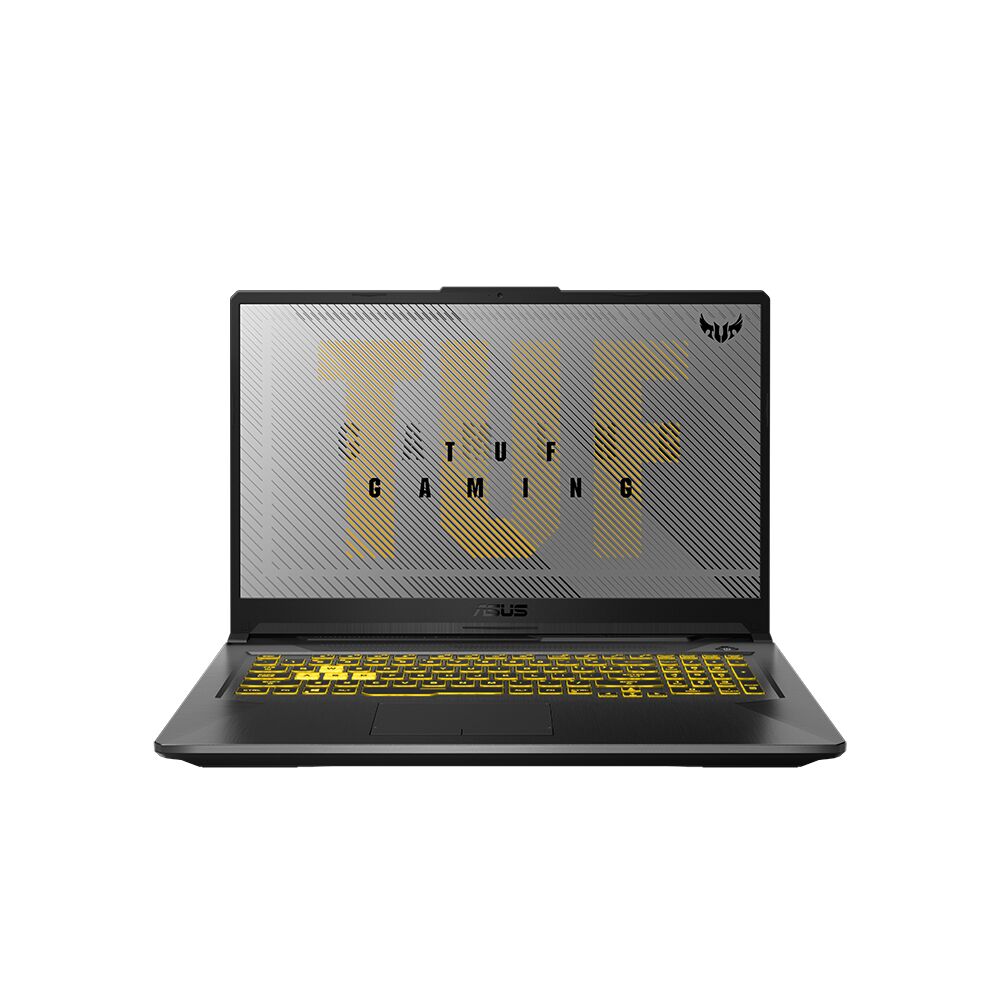

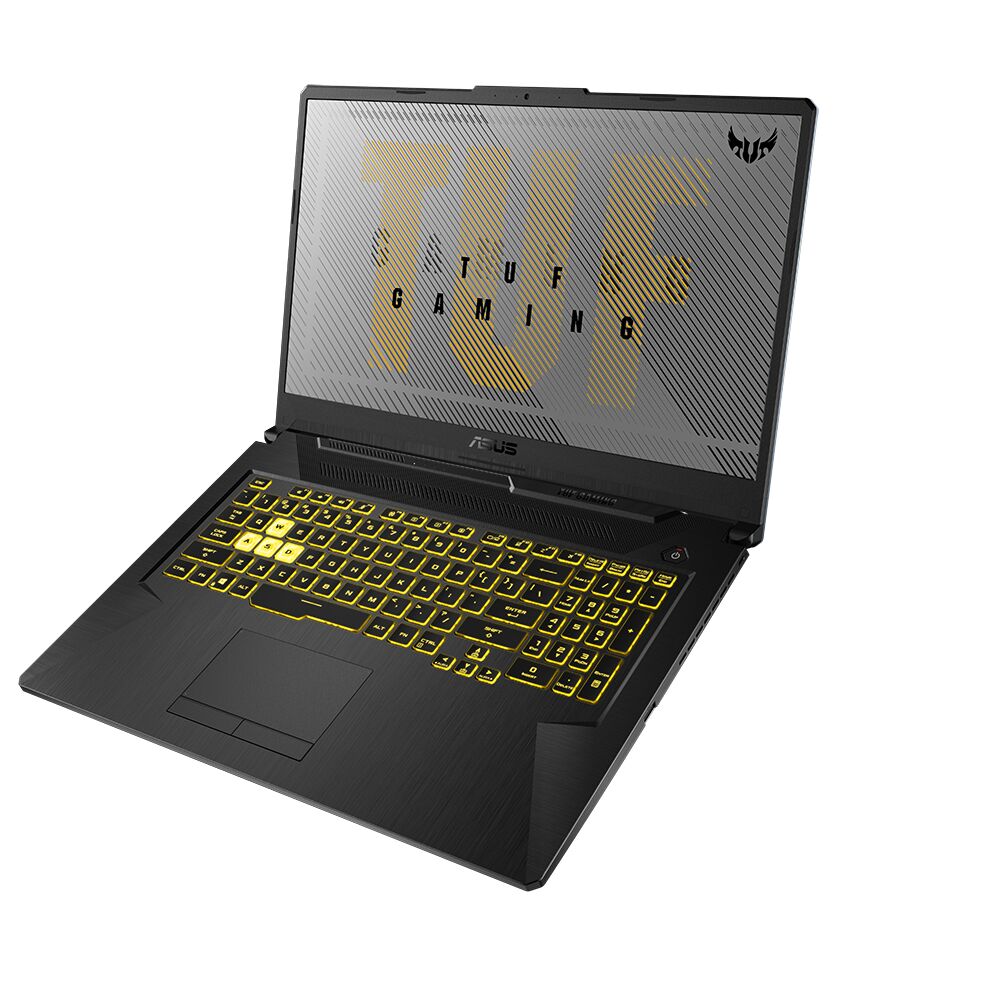
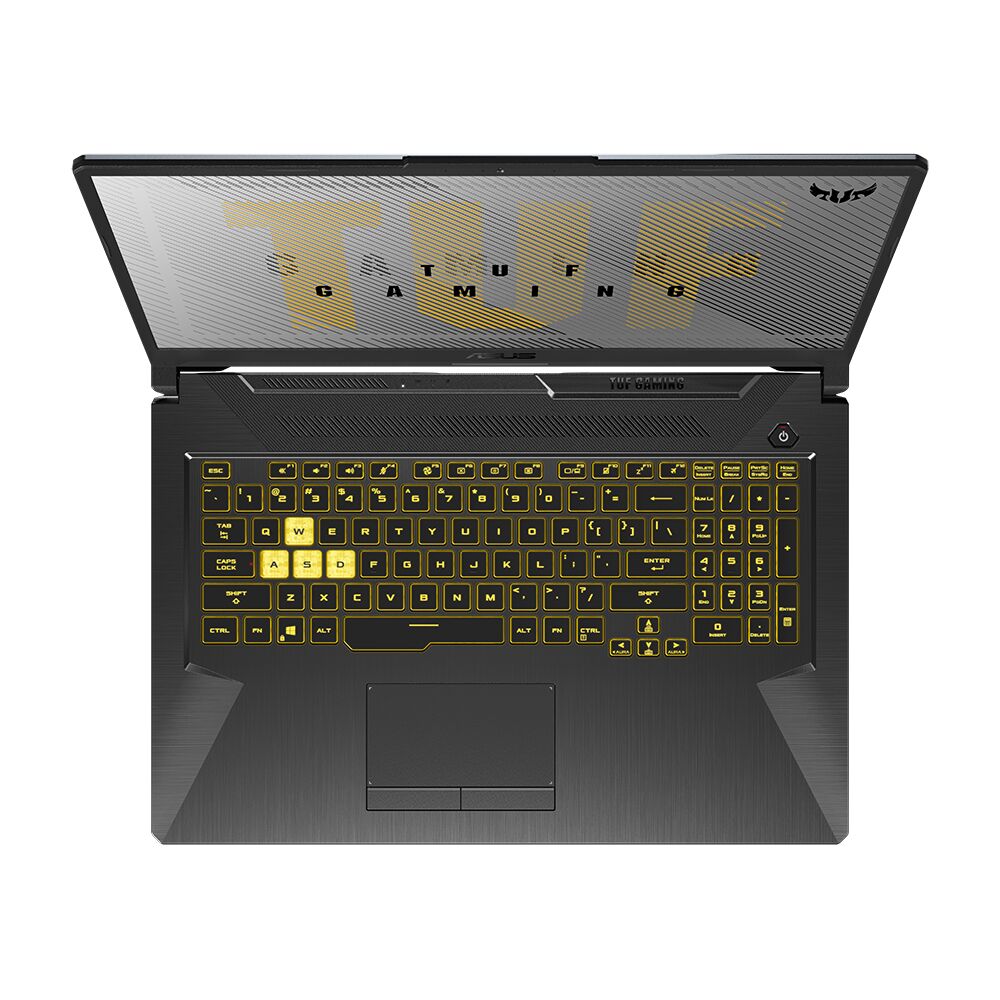
ASUS TUF Gaming A17 FA706IU-H7241T RAM upgrade specifications include DDR4-SDRAM memory modules compatible with 2x SO-DIMM slots. The laptop supports maximum RAM capacity of 32 GB total, with memory operating at 3200 MHz frequency. The SO-DIMM form factor specifications enable compatible memory module upgrades for enhanced performance and multitasking capability. Standard memory upgrade configurations remain subject to motherboard compatibility and BIOS support specifications.
Memory Upgrade Specifications
| Specification | Value |
|---|---|
| Memory slots | 2x SO-DIMM |
| Form factor | SO-DIMM |
| Memory type | DDR4-SDRAM |
| Frequency | 3200 MHz |
| Maximum RAM | 32 GB |
| Voltage | 1.2V |
| Number of pins | 260-pin |
| Interface | PC4 |
| PC Speed Rating | PC4-3200 (PC4-25600) |
| Bandwidth | 25.6 GB/s |
| Laptop Release date | 24 February 2021 |
Additional Notes
- Dual channel memory architecture requires installing matched pairs of modules to maximize the available memory bandwidth for the Ryzen processor in the ASUS TUF Gaming FA706IU-H7241T.
- The 32 GB ceiling represents the combined capacity of both slots, limiting individual module selection to a maximum of 16 GB per SO-DIMM socket.
- System stability relies on using JEDEC standard 3200 MHz modules because the motherboard firmware lacks XMP profiling for overclocked memory kits.
- Physical access to the memory slots requires removal of the bottom chassis panel, which exposes internal components to electrostatic discharge risks during the installation process.
- Mixing modules with different CAS latencies forces the system to default to the timings of the slowest installed chip, potentially creating a performance bottleneck.
- The use of 1.2V DDR4 modules is mandatory to ensure compatibility with the power delivery circuit and to prevent thermal throttling within the compact laptop enclosure.
- Integrated graphics performance scales directly with memory frequency, making it critical to avoid 2133 MHz or 2400 MHz modules that would reduce frame rates.