ASUS TUF Gaming FA706II-H7207T RAM upgrade specifications
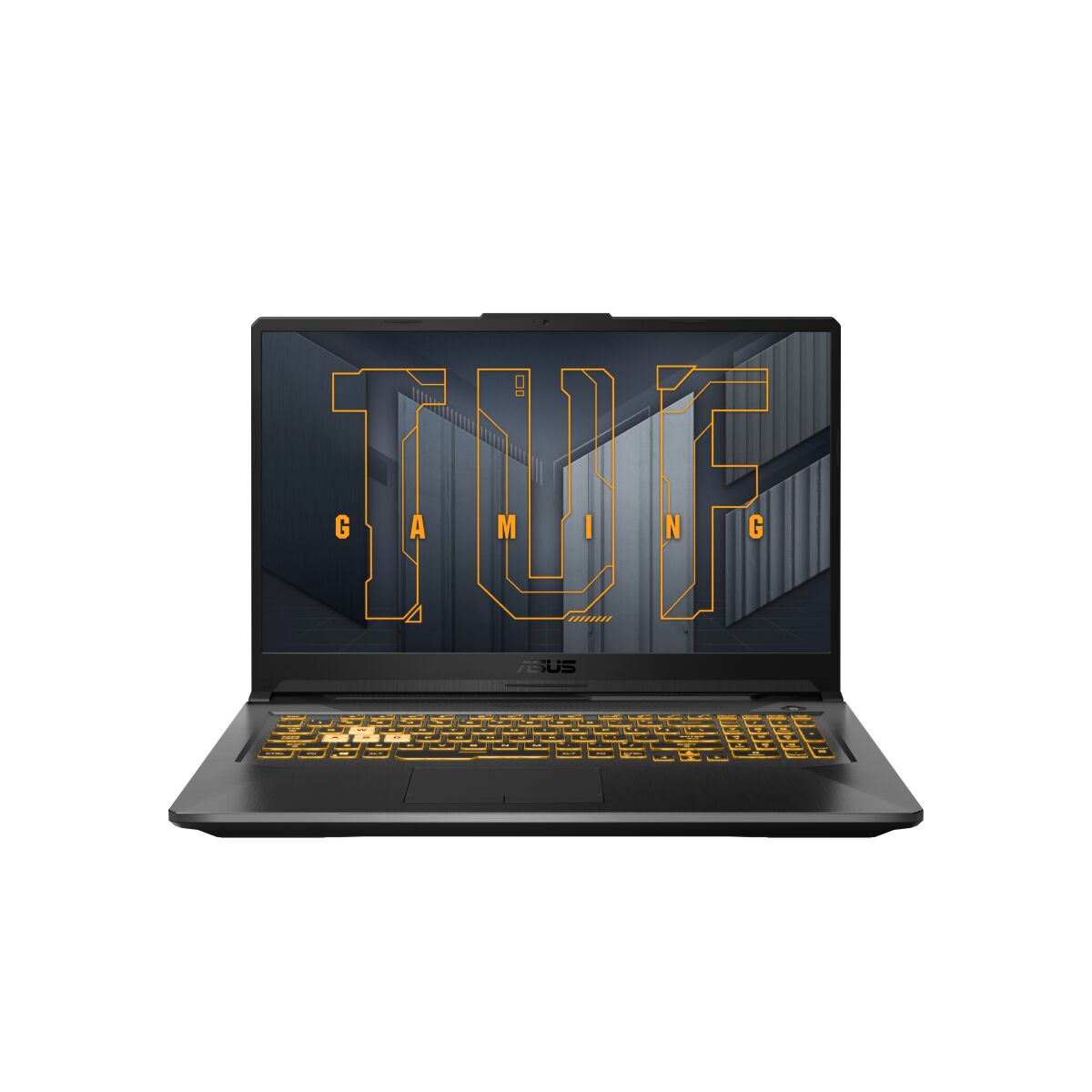
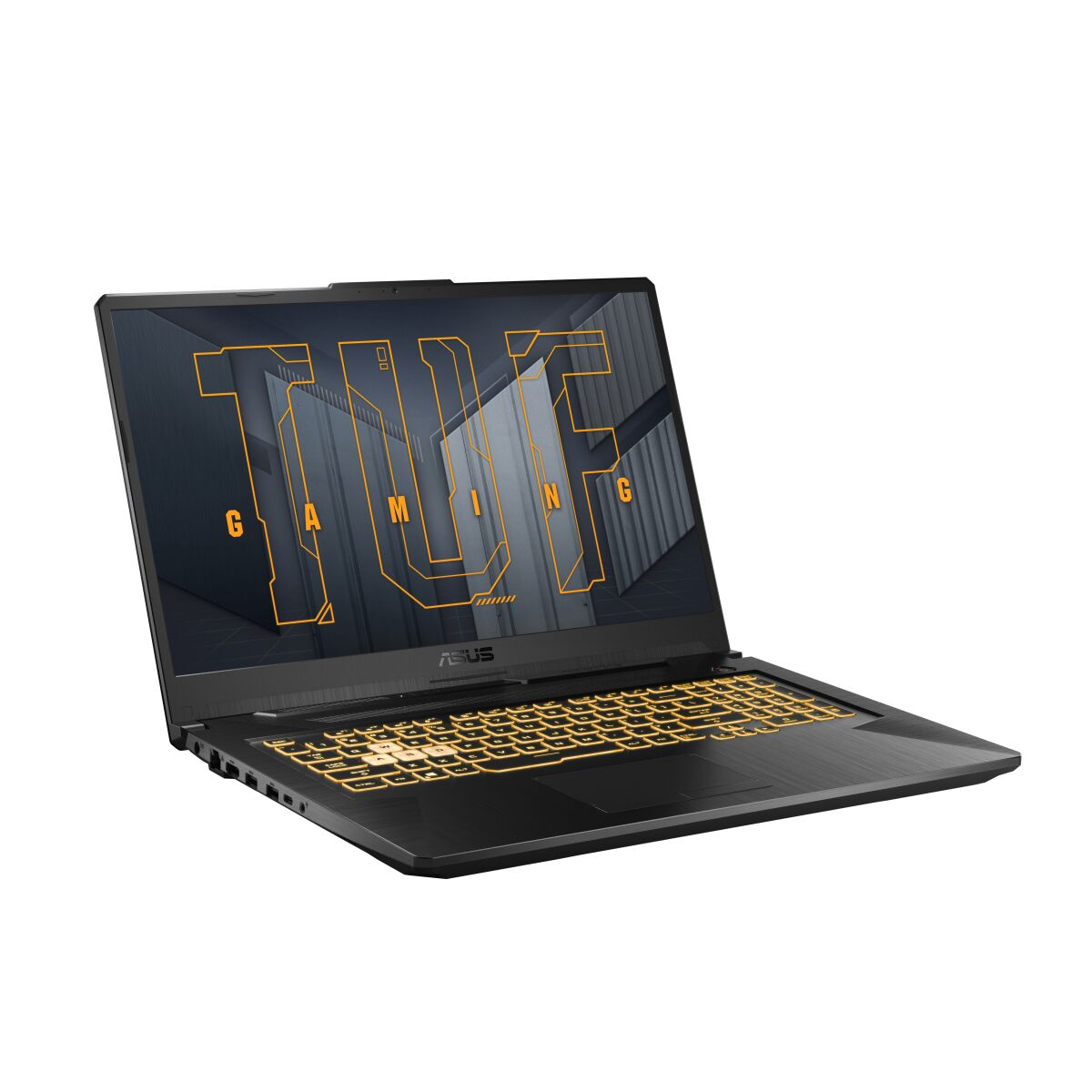
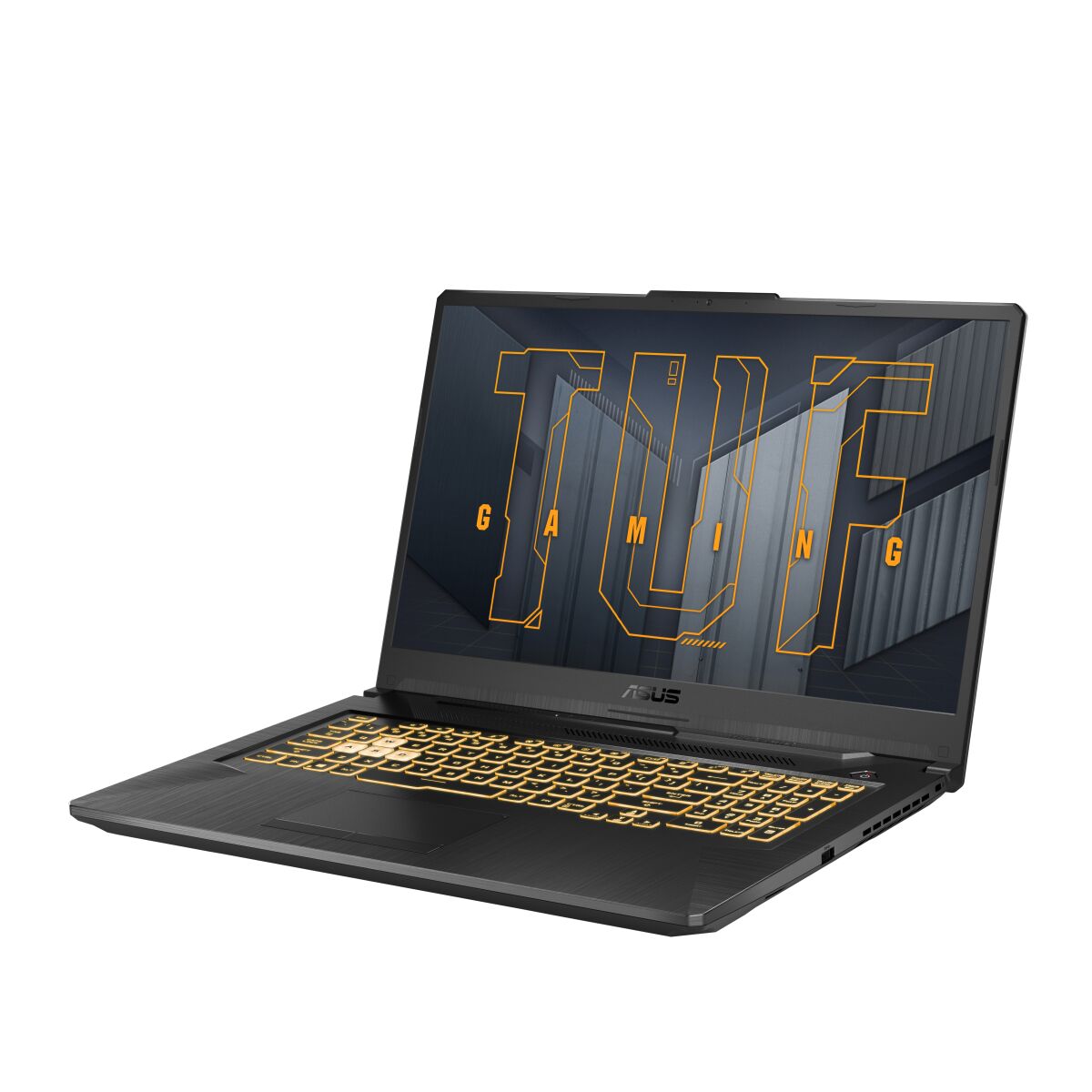
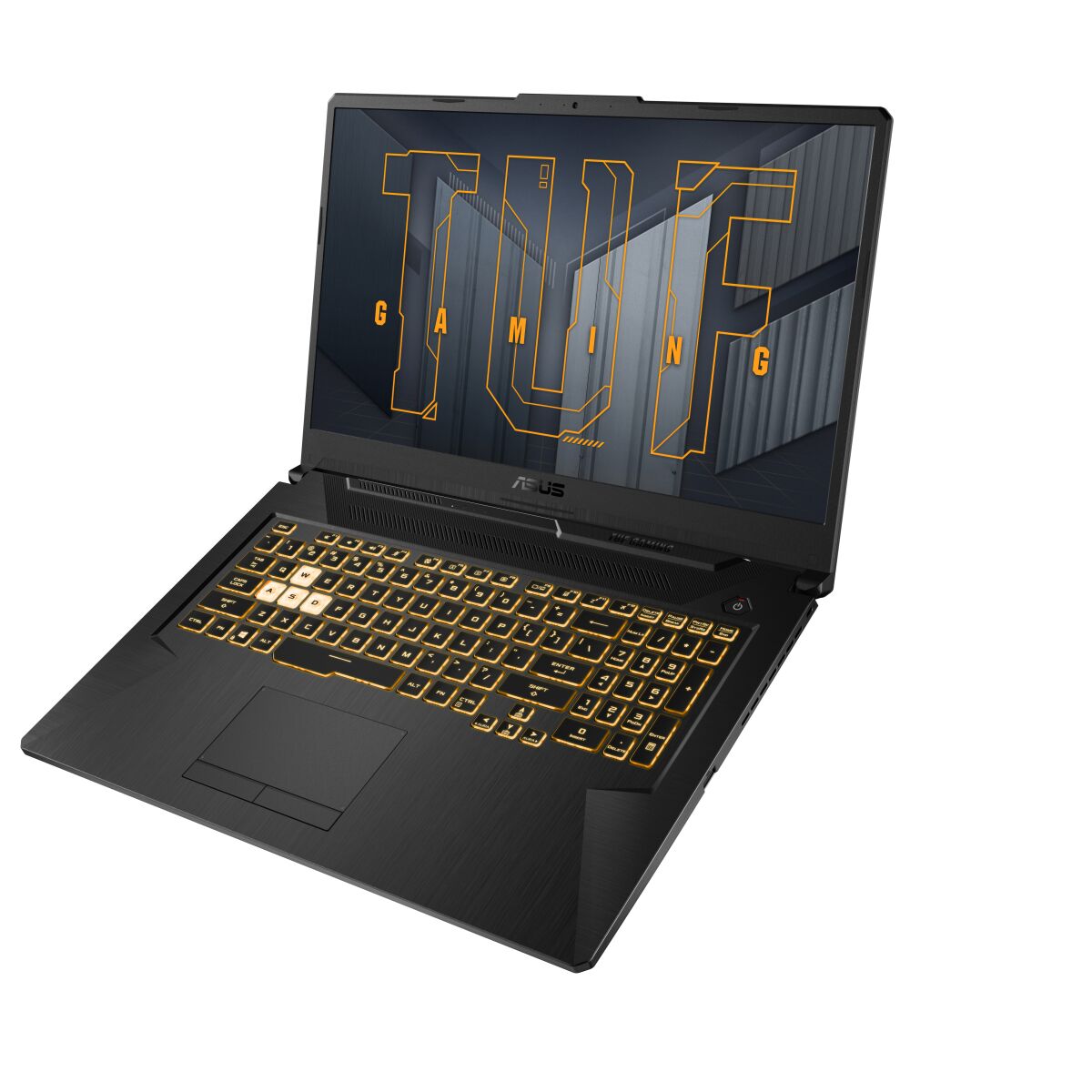
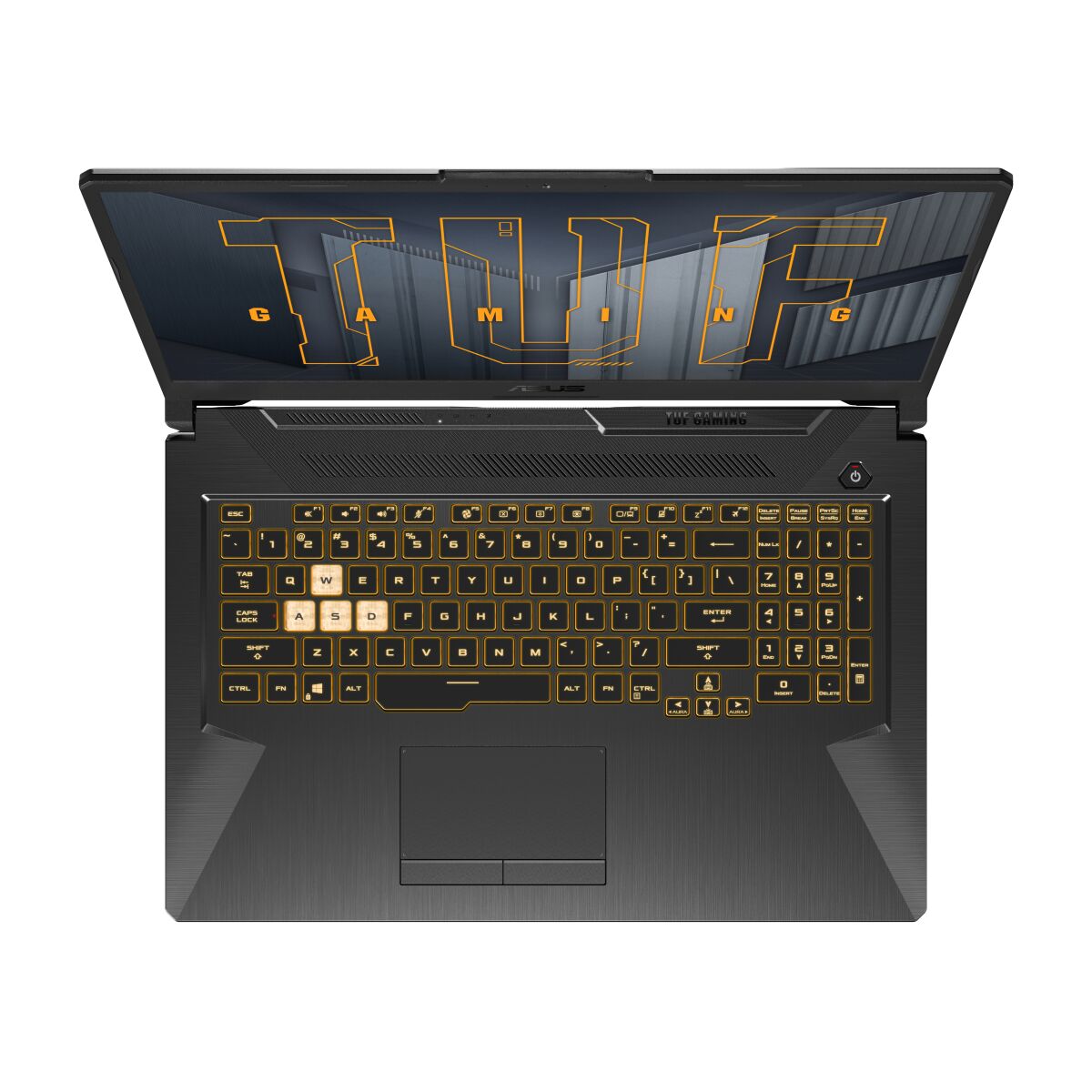
The ASUS TUF Gaming A17 FA706II-H7207T supports DDR4-SDRAM memory upgrades with two SO-DIMM slots. Maximum RAM capacity reaches 32 GB total. Compatible memory operates at 3200 MHz frequency. Upgrade specifications indicate SO-DIMM form factor modules are required for this laptop model. Current memory configuration can be expanded to the maximum supported capacity through compatible DDR4 modules installed in available slots.
Memory Upgrade Specifications
| Specification | Value |
|---|---|
| Memory slots | 2x SO-DIMM |
| Form factor | SO-DIMM |
| Memory type | DDR4-SDRAM |
| Frequency | 3200 MHz |
| Maximum RAM | 32 GB |
| Voltage | 1.2V |
| Number of pins | 260-pin |
| Interface | PC4 |
| PC Speed Rating | PC4-3200 (PC4-25600) |
| Bandwidth | 25.6 GB/s |
| Laptop Release date | 25 October 2020 |
Additional Notes
- The DDR4-3200 specification indicates compatibility exclusively with DDR4 modules, preventing the use of older DDR3 or newer DDR5 memory technologies due to physical notch positioning differences and voltage requirements.
- The 32 GB maximum capacity constraint on the ASUS TUF Gaming FA706II-H7207T restricts each SO-DIMM slot to a 16 GB module ceiling, eliminating the possibility of installing 32 GB modules even if they become available at the same speed rating.
- The dual SO-DIMM configuration enables dual-channel memory operation when matched modules are installed, delivering theoretical bandwidth of 51.2 GB/s compared to 25.6 GB/s in single-channel mode with one populated slot.
- The 3200 MHz native frequency eliminates the need for BIOS-level XMP profile activation, as DDR4-3200 represents a JEDEC standard speed that operates at specification without manual intervention.
- Installing memory modules rated below 3200 MHz forces the system to operate at the lower frequency across all installed modules, creating a performance bottleneck if mismatched speeds are combined.
- The SO-DIMM form factor requirement prevents the use of standard desktop DIMM modules, which are physically incompatible despite potentially matching electrical specifications.
- Mixing modules from different manufacturers or with varying latency timings may result in system instability or automatic downclocking to the lowest common specification across both slots.
- Memory upgrades on this platform typically require bottom panel removal to access the SO-DIMM slots, with warranty preservation dependent on regional legislation regarding consumer repair rights.
- The DDR4-3200 speed represents the maximum officially supported frequency, with higher-rated modules automatically downclocked to 3200 MHz regardless of their labeled specifications.
- Single-rank versus dual-rank module architecture affects memory subsystem performance, with dual-rank configurations potentially offering marginal bandwidth improvements in memory-intensive workloads despite identical capacity and frequency ratings.