ASUS TUF Gaming FA706II-H7071 RAM upgrade specifications
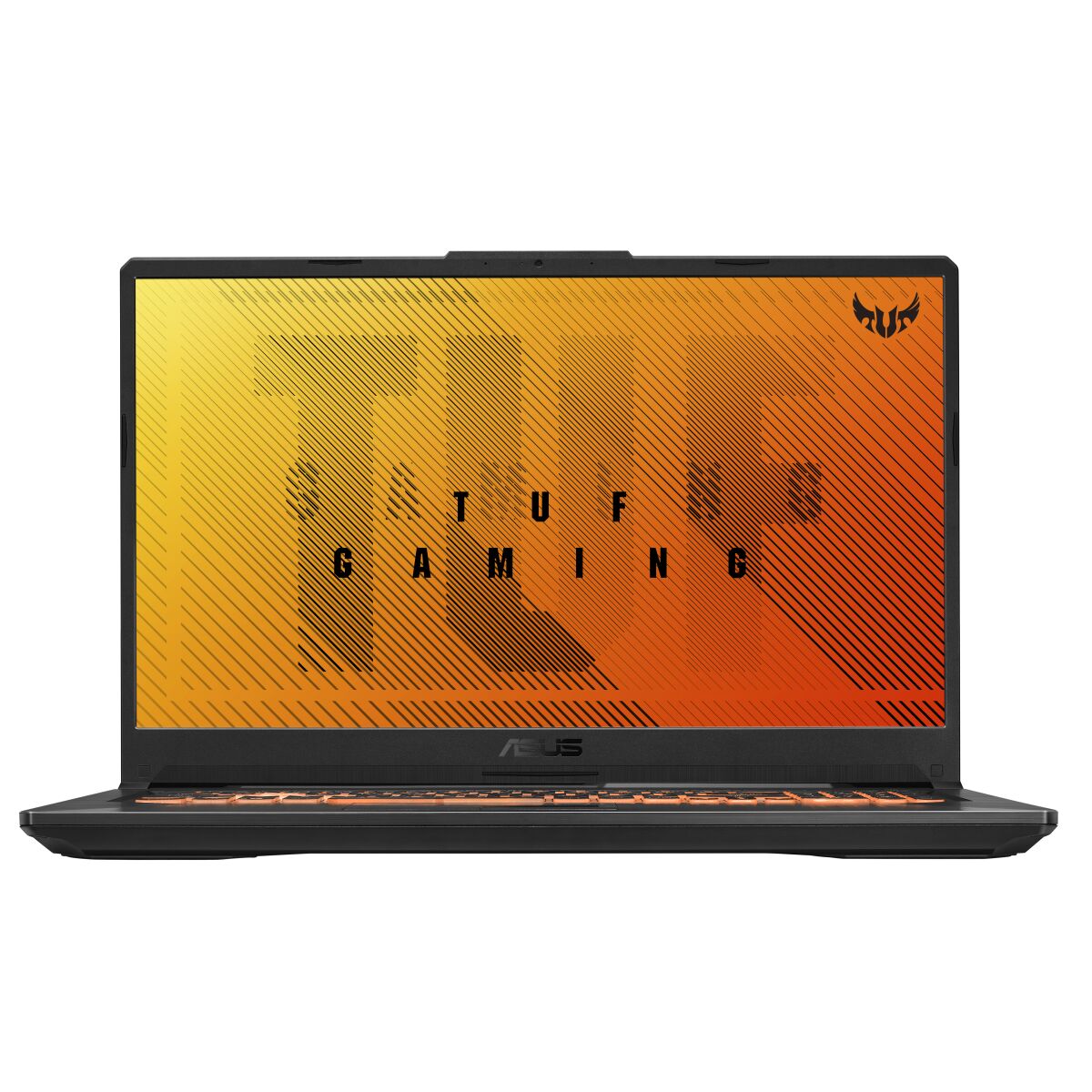
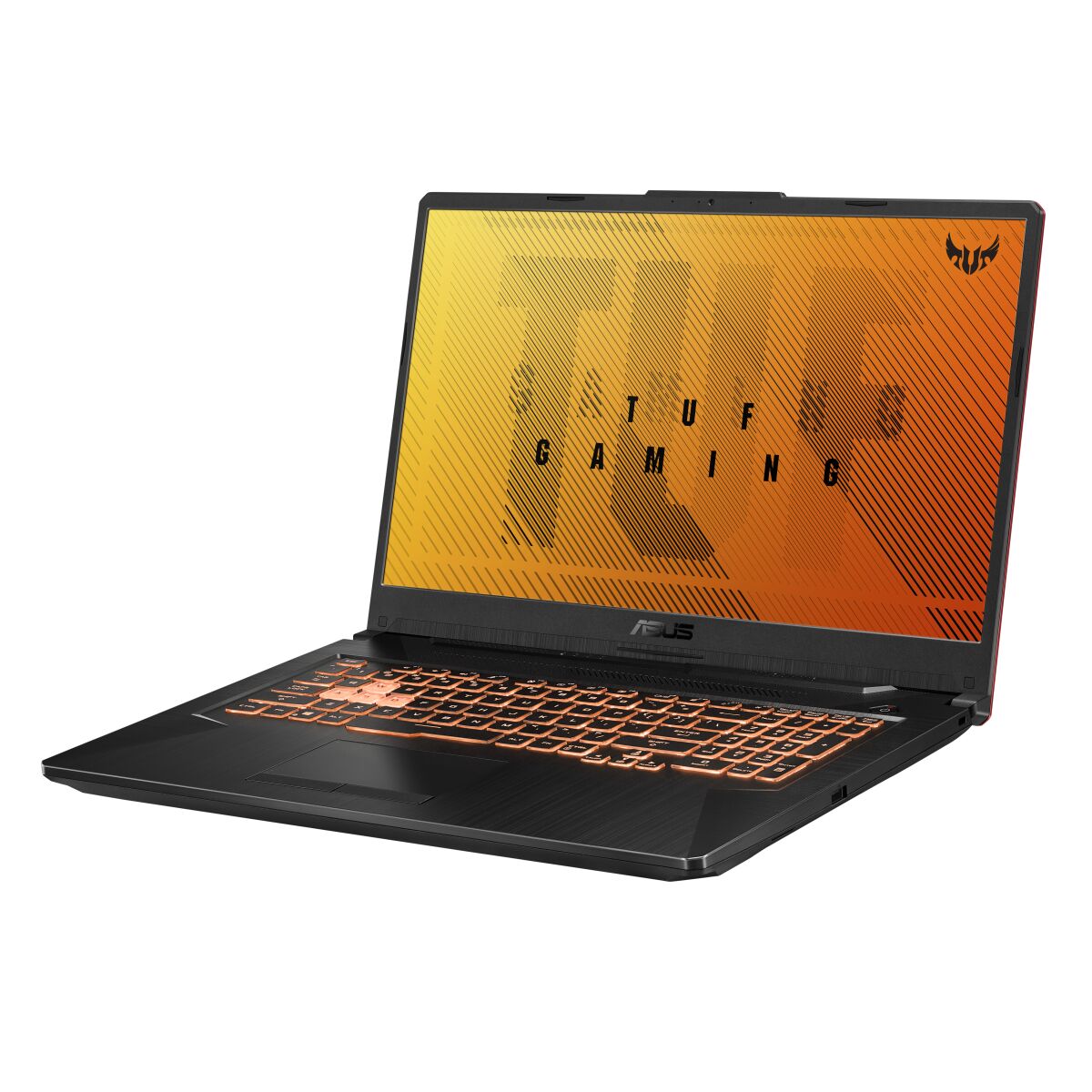
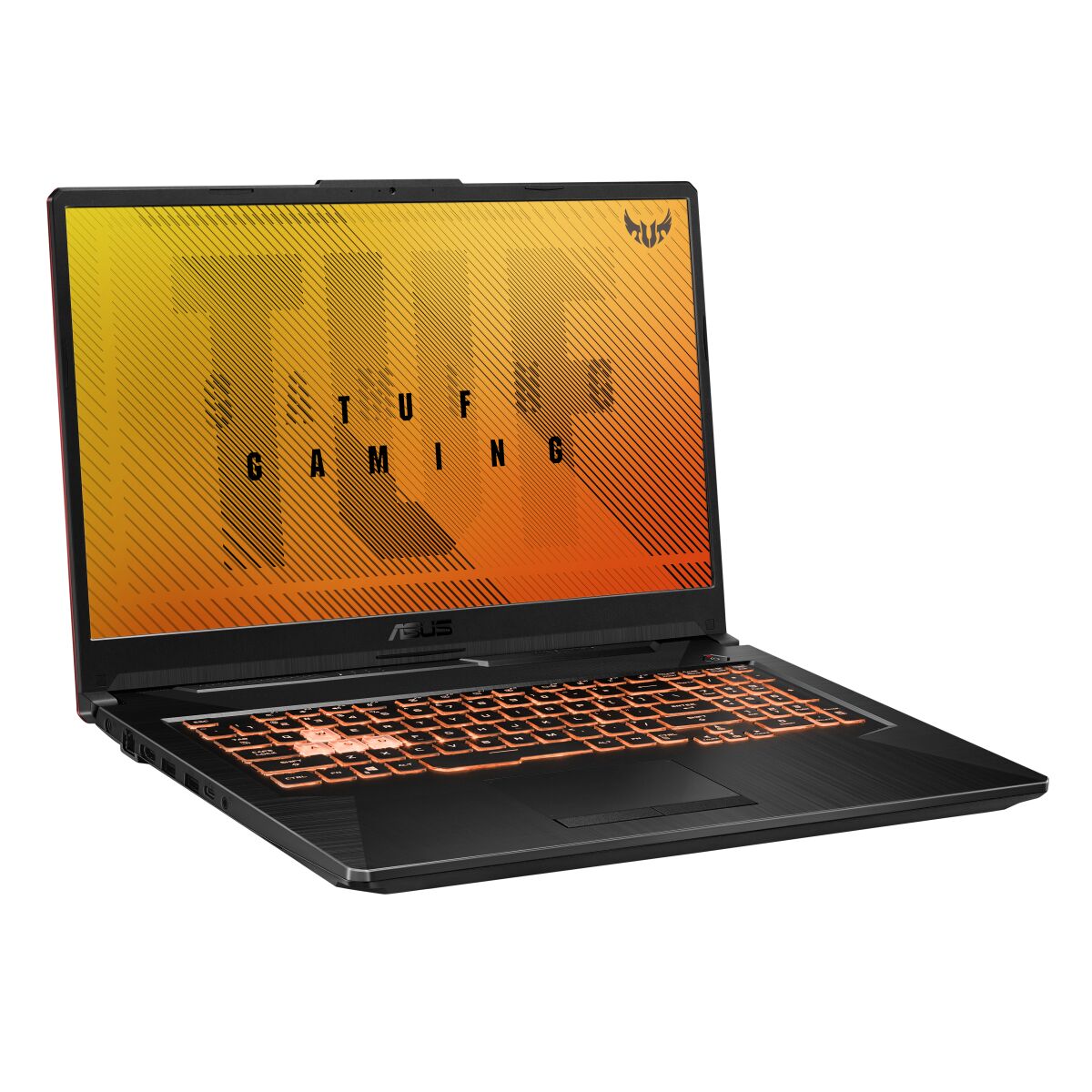
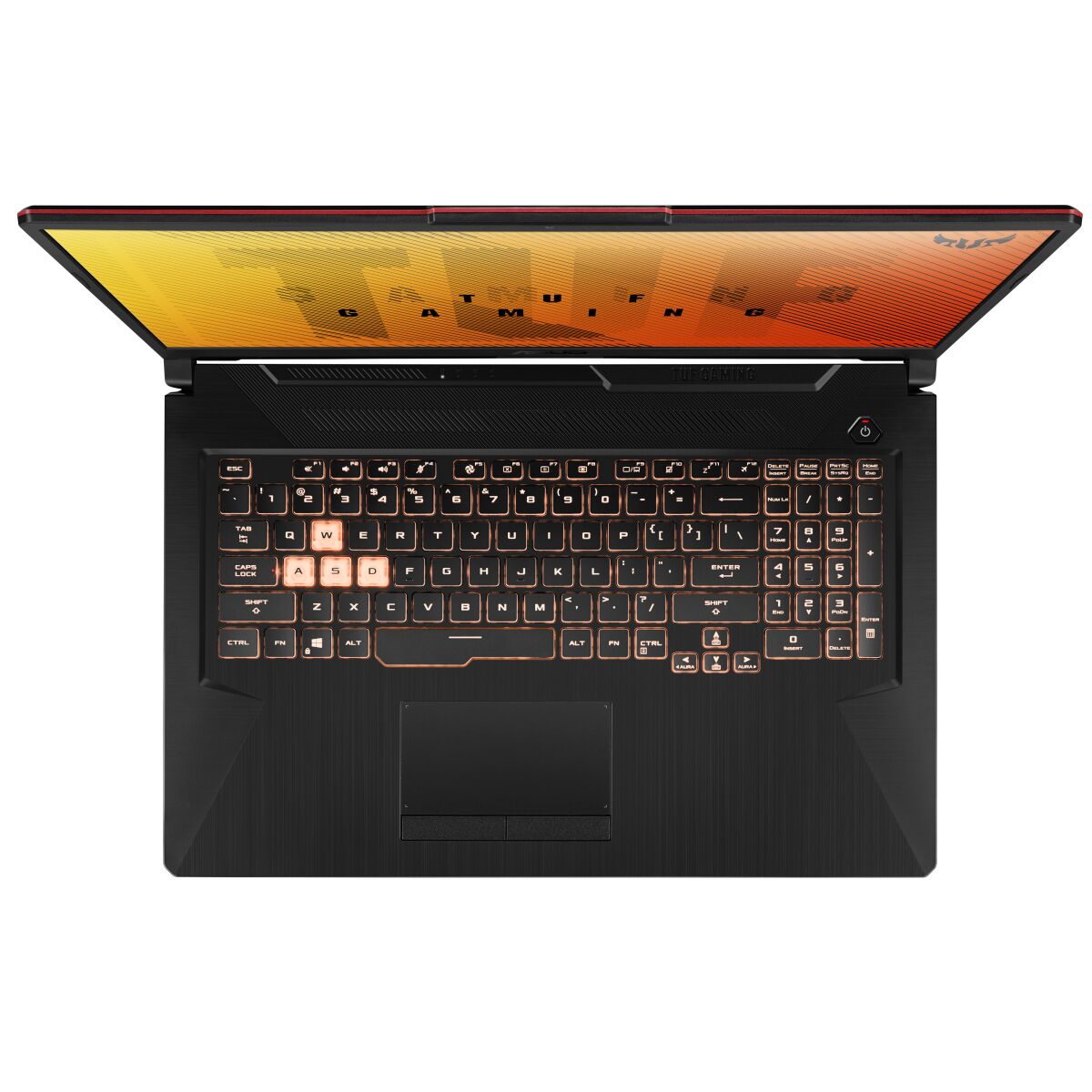
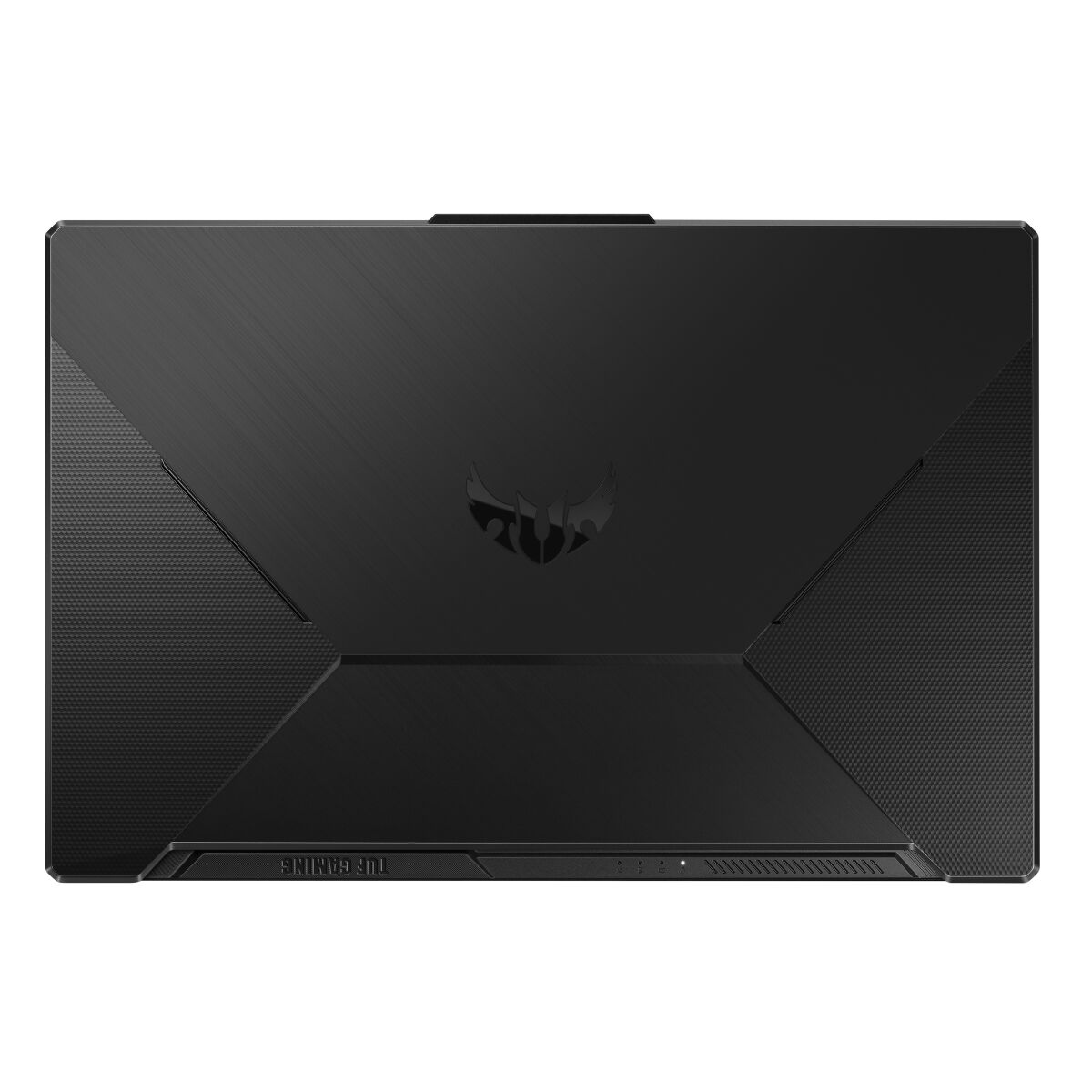
ASUS TUF Gaming A17 FA706II-H7071 features DDR4-SDRAM memory with two SO-DIMM slots for upgrade capacity. Compatible RAM specifications support maximum memory of 32 GB total. Memory operates at 3200 MHz frequency. Upgrade slots accommodate standard SO-DIMM form factor modules. Specifications define compatible DDR4 memory modules for this gaming laptop model.
Memory Upgrade Specifications
| Specification | Value |
|---|---|
| Memory slots | 2x SO-DIMM |
| Form factor | SO-DIMM |
| Memory type | DDR4-SDRAM |
| Frequency | 3200 MHz |
| Maximum RAM | 32 GB |
| Voltage | 1.2V |
| Number of pins | 260-pin |
| Interface | PC4 |
| PC Speed Rating | PC4-3200 (PC4-25600) |
| Bandwidth | 25.6 GB/s |
| Laptop Release date | 29 January 2021 |
Additional Notes
- The ASUS TUF Gaming FA706II-H7071 accommodates maximum 32 GB across 2 slots, meaning each slot supports up to 16 GB modules. Asymmetrical configurations (e.g., 8 GB + 16 GB) function but operate both channels at the speed of the slower module.
- SO-DIMM memory restricts upgrade options to laptop-specific modules rather than desktop DDR4 stock. Retail availability for 16 GB SO-DIMM units is narrower than for 8 GB variants, potentially affecting pricing and lead times for maximum-capacity upgrades.
- The 3200 MHz specification reflects JEDEC standard performance; actual bandwidth delivery depends on CPU support. Mixing memory rated above 3200 MHz with this platform results in automatic downclocking to 3200 MHz, negating premium pricing for faster modules.
- Dual-channel architecture requires paired capacity for optimal performance. Operating with a single populated slot introduces 50% latency penalty on memory-bound workloads until a second module is installed.
- The 2-slot configuration with 32 GB ceiling eliminates staged upgrade pathways. Transitions from 16 GB to 32 GB require complete replacement of existing modules rather than supplemental installation, generating e-waste if existing sticks are discarded.
- SO-DIMM modules occupy confined socket spacing typical of 15.6-inch gaming chassis. High-profile heatspreaders on performance-tier memory may contact palmrest components; low-profile variants are mandatory for interference-free installation.