ASUS TUF Gaming FA707NU-HX023W RAM upgrade specifications
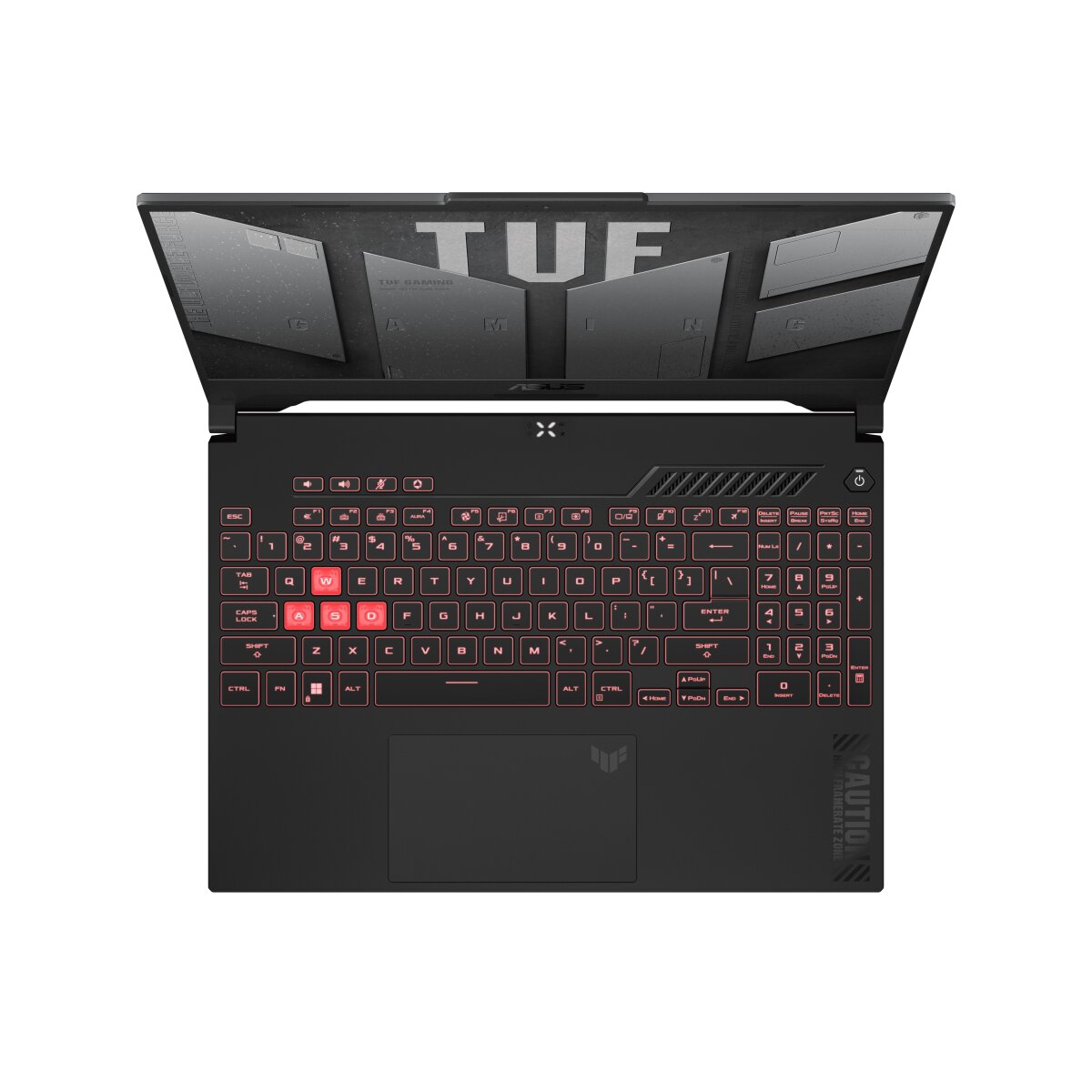




The ASUS TUF Gaming A17 FA707NU-HX023W features DDR5-SDRAM memory with two SO-DIMM slots supporting maximum RAM capacity of 32 GB. Memory upgrade specifications include DDR5-SDRAM operating at 4800 MHz frequency. Compatible memory modules utilize SO-DIMM form factor for the TUF Gaming A17 series. The FA707NU-HX023W supports DDR5 memory upgrades across both available slots to achieve maximum capacity specifications. Memory upgrade compatibility requires DDR5-SDRAM modules with SO-DIMM configuration at 4800 MHz frequency ratings.
Memory Upgrade Specifications
| Specification | Value |
|---|---|
| Memory slots | 2x SO-DIMM |
| Form factor | SO-DIMM |
| Memory type | DDR5-SDRAM |
| Frequency | 4800 MHz |
| Maximum RAM | 32 GB |
| Voltage | 1.1V |
| Number of pins | 262-pin |
| Interface | PC5 |
| PC Speed Rating | PC5-4800 (PC5-38400) |
| Bandwidth | 38.4 GB/s |
| Laptop Release date | 09 February 2023 |
Additional Notes
- The presence of 2 SO-DIMM slots allows for a dual-channel memory configuration which significantly increases bandwidth for the AMD Ryzen processor compared to single-channel setups.
- The 32 GB maximum capacity indicates a firmware or density limitation that restricts the use of 32 GB or 64 GB individual modules in the ASUS TUF Gaming FA707NU-HX023W.
- Upgrading memory requires the removal of the bottom chassis panel which exposes internal components to potential electrostatic discharge risks during installation.
- Utilizing DDR5-4800 modules ensures compatibility with the integrated memory controller but matching the latency timings of existing sticks is necessary to prevent system instability.
- The physical SO-DIMM form factor is incompatible with desktop DIMM slots or older DDR4 laptop memory due to different notch positions and voltage requirements.
- Populating both slots with identical capacity and speed modules is required to maintain peak synchronous data transfer rates for gaming and rendering tasks.
- The motherboard architecture likely supports On-die ECC which is a standard feature of DDR5 modules used to improve data integrity at high frequencies.