ASUS TUF Gaming FA707NU-HX081W RAM upgrade specifications

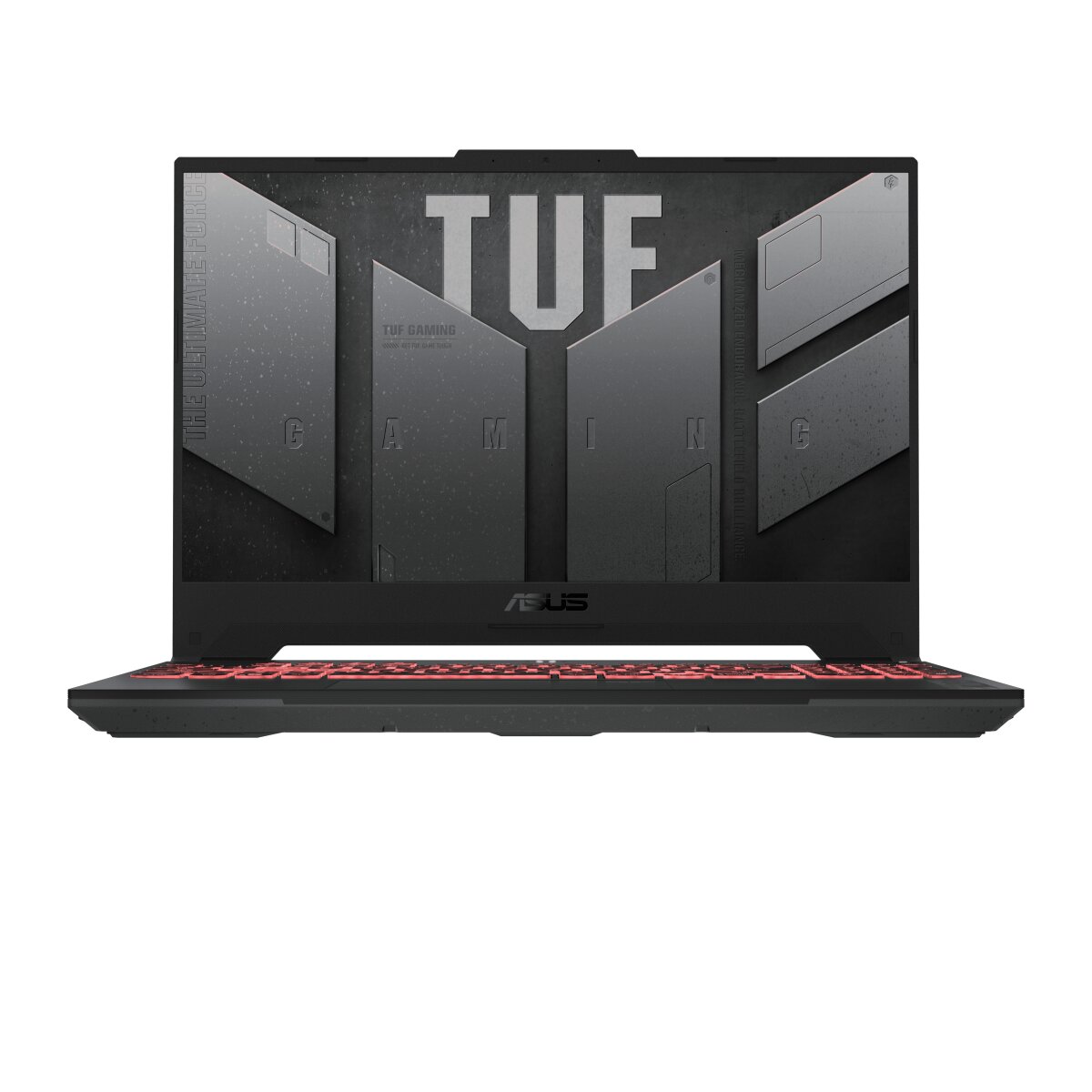


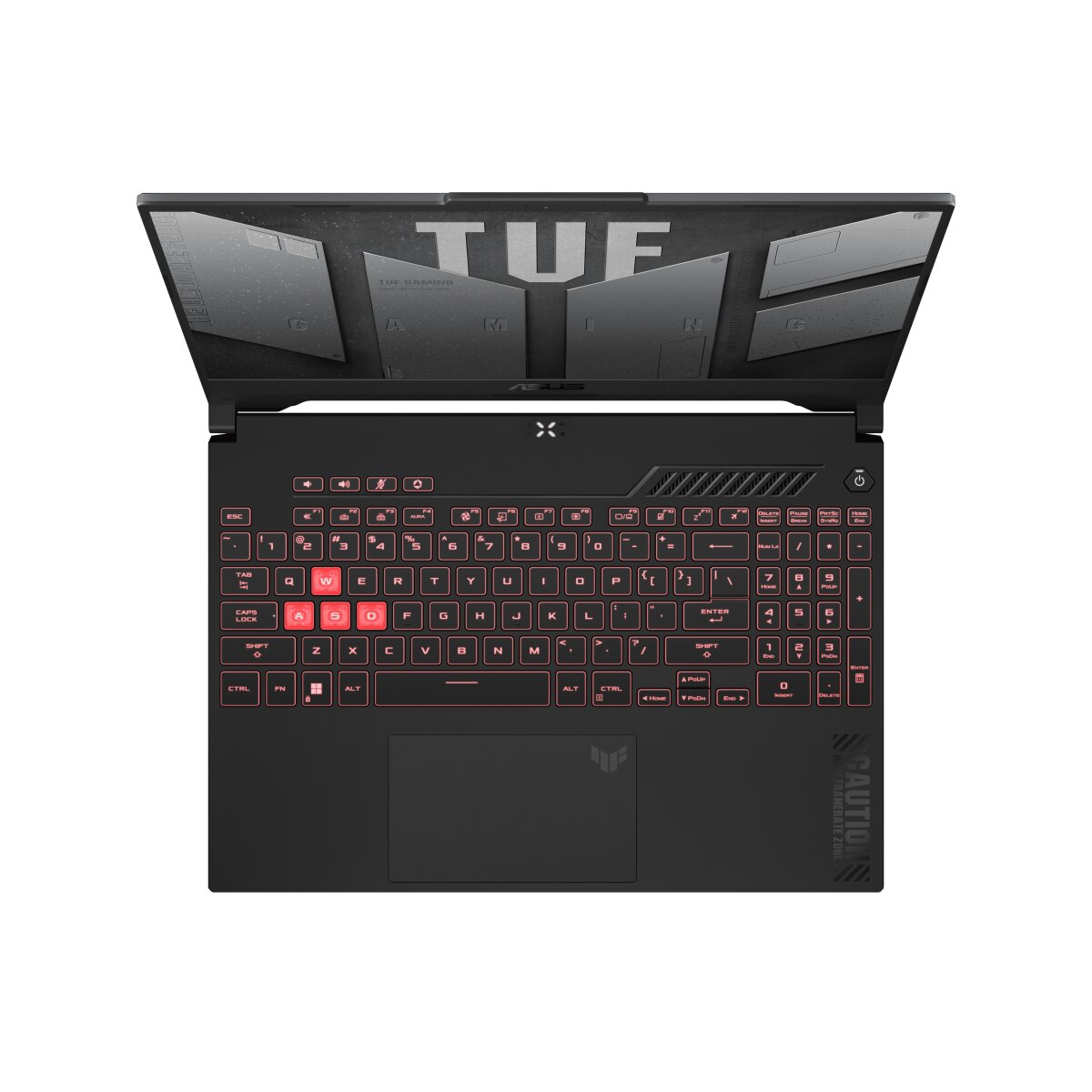
ASUS TUF Gaming A17 FA707NU-HX081W laptop features DDR5-SDRAM memory configuration with two SO-DIMM slots supporting maximum capacity of 32 GB total RAM. The upgrade specifications include DDR5 memory operating at 4800 MHz frequency. Compatible memory modules utilize SO-DIMM form factor standard for laptop installations. The device accommodates RAM upgrades to reach full 32 GB maximum capacity through the two available slots, providing expandable memory configuration for enhanced system performance and multitasking capabilities.
Memory Upgrade Specifications
| Specification | Value |
|---|---|
| Memory slots | 2x SO-DIMM |
| Form factor | SO-DIMM |
| Memory type | DDR5-SDRAM |
| Frequency | 4800 MHz |
| Maximum RAM | 32 GB |
| Voltage | 1.1V |
| Number of pins | 262-pin |
| Interface | PC5 |
| PC Speed Rating | PC5-4800 (PC5-38400) |
| Bandwidth | 38.4 GB/s |
Additional Notes
- The ASUS TUF Gaming FA707NU-HX081W limits total system memory to 32 GB across both slots, meaning single-slot configurations cannot exceed 16 GB modules.
- DDR5-4800 operates at JEDEC baseline speeds, leaving headroom for higher frequency modules if the motherboard supports XMP/EXPO profiles beyond stock specifications.
- SO-DIMM form factor restricts thermal management compared to desktop UDIMM, potentially causing throttling under sustained memory-intensive workloads in gaming laptops with constrained airflow.
- Dual-channel architecture requires matched module pairs for optimal bandwidth utilization, as mismatched capacities or timings force the memory controller into asymmetric or single-channel modes.
- DDR5 modules incorporate onboard voltage regulation that increases physical height compared to DDR4 SO-DIMMs, creating potential clearance conflicts with internal cooling assemblies or chassis reinforcements.
- Non-ECC consumer DDR5 prioritizes cost over data integrity, making unbuffered configurations vulnerable to soft errors in applications requiring prolonged computational accuracy.
- The 4800 MHz frequency sits at DDR5's entry-level transfer rate, delivering 38.4 GB/s theoretical bandwidth per channel but trailing DDR5-5600 or DDR5-6000 alternatives by 17 to 25 percent in memory-bound scenarios.
- Warranty preservation requires confirming whether the manufacturer classifies user-accessible SO-DIMM slots as serviceable components, as some gaming laptop warranties void upon opening sealed chassis sections.
- Two-slot limitation prevents future expansion beyond the 32 GB ceiling without discarding existing modules, unlike four-slot desktop systems allowing incremental capacity increases.
- DDR5's higher minimum operating voltage of 1.1V compared to DDR4's 1.2V baseline improves power efficiency but requires compatible power delivery circuitry that prohibits backward compatibility with DDR4 slots.