ASUS TUF Gaming FA707NUR-HX011W RAM upgrade specifications


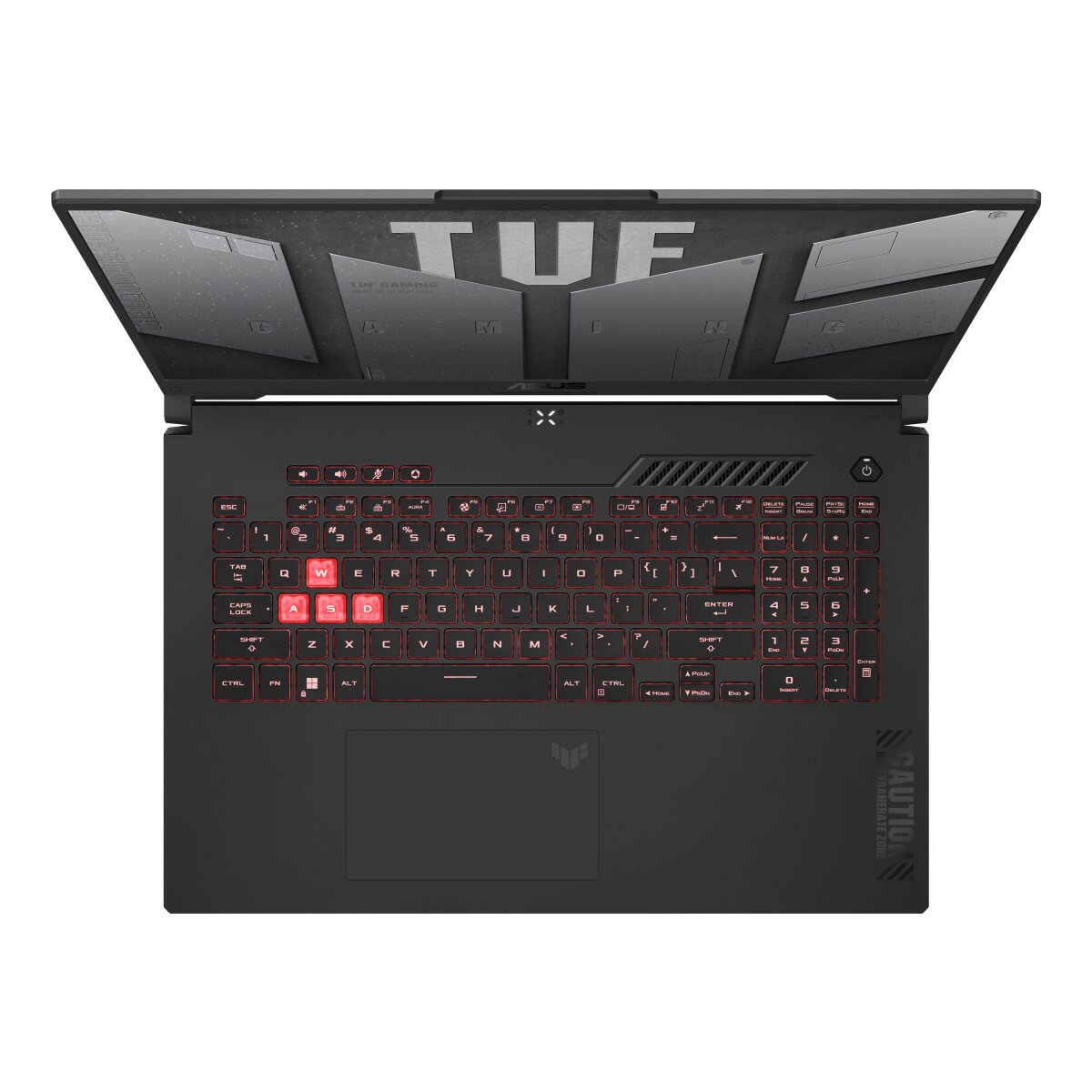
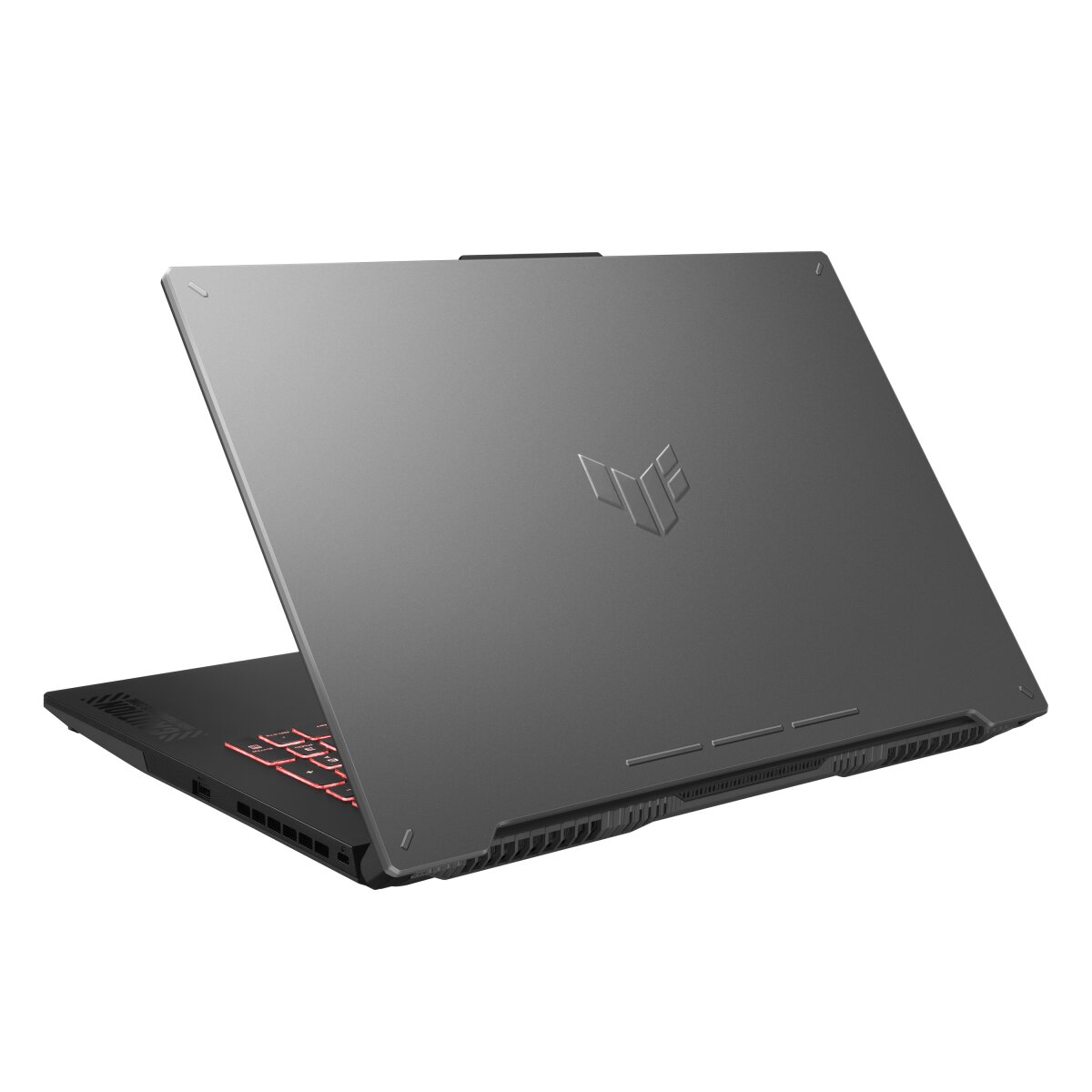
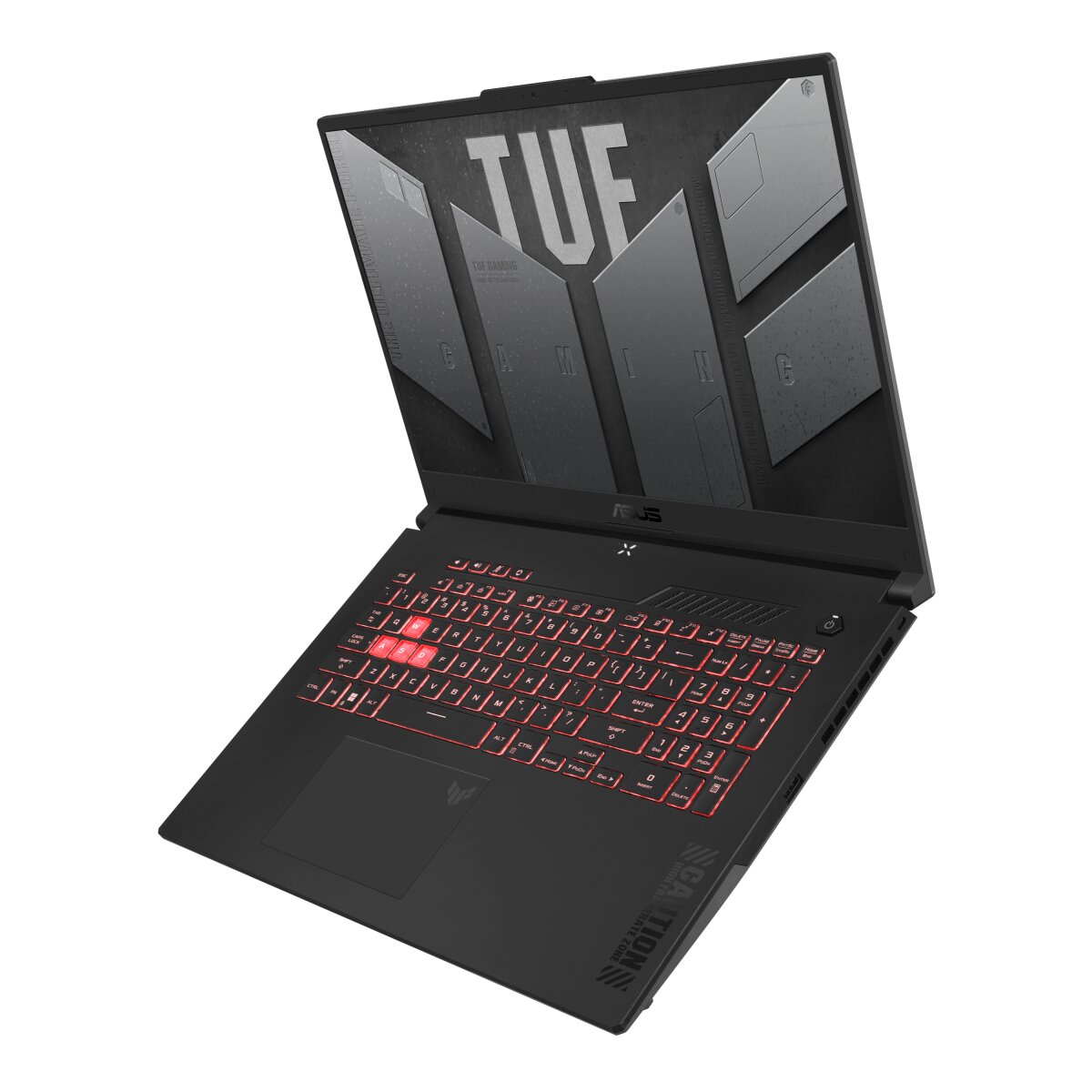
ASUS TUF Gaming A17 FA707NUR-HX011W RAM upgrade specifications include DDR5-SDRAM memory compatibility with 2x SO-DIMM slots. Maximum memory capacity reaches 32 GB total. Memory operates at 4800 MHz frequency. Compatible memory upgrades utilize SO-DIMM form factor. Specifications enable RAM expansion for enhanced multitasking and performance in gaming and professional applications on this ASUS TUF Gaming laptop model.
Memory Upgrade Specifications
| Specification | Value |
|---|---|
| Memory slots | 2x SO-DIMM |
| Form factor | SO-DIMM |
| Memory type | DDR5-SDRAM |
| Frequency | 4800 MHz |
| Maximum RAM | 32 GB |
| Voltage | 1.1V |
| Number of pins | 262-pin |
| Interface | PC5 |
| PC Speed Rating | PC5-4800 (PC5-38400) |
| Bandwidth | 38.4 GB/s |
Additional Notes
- The ASUS TUF Gaming FA707NUR-HX011W caps total system memory at 32 GB, limiting expansion for workloads exceeding this threshold such as large-scale 3D rendering or extensive virtual machine deployment.
- DDR5 architecture enables higher bandwidth compared to DDR4, reducing latency in memory-intensive tasks like video encoding and simulation workloads.
- The 4800 MHz frequency represents baseline DDR5 performance, with higher-speed modules potentially compatible depending on CPU and motherboard chipset support, though official validation extends only to this speed.
- Dual-channel configuration through both SO-DIMM slots maximizes throughput, making single-module installations suboptimal for performance-critical applications.
- SO-DIMM form factor restricts compatibility to laptop-specific modules, preventing use of standard desktop DIMM memory sticks.
- Both memory slots occupy user-accessible positions, avoiding soldered configurations that would prevent aftermarket upgrades entirely.
- DDR5 voltage requirements differ from DDR4 standards, causing physical and electrical incompatibility with previous-generation modules despite identical slot dimensions.
- Peak configuration requires 2 modules of 16 GB each, as single 32 GB SO-DIMM modules would exceed the per-slot capacity limit even if physically installable.
- Factory warranty typically remains valid during RAM upgrades if modules meet JEDEC specifications and installation follows proper ESD protocols.
- Memory speed mismatches between installed modules force the system to downclock all modules to the slowest frequency present, negating performance benefits of faster modules.