ASUS TUF Gaming FA707NUR-HX078W RAM upgrade specifications

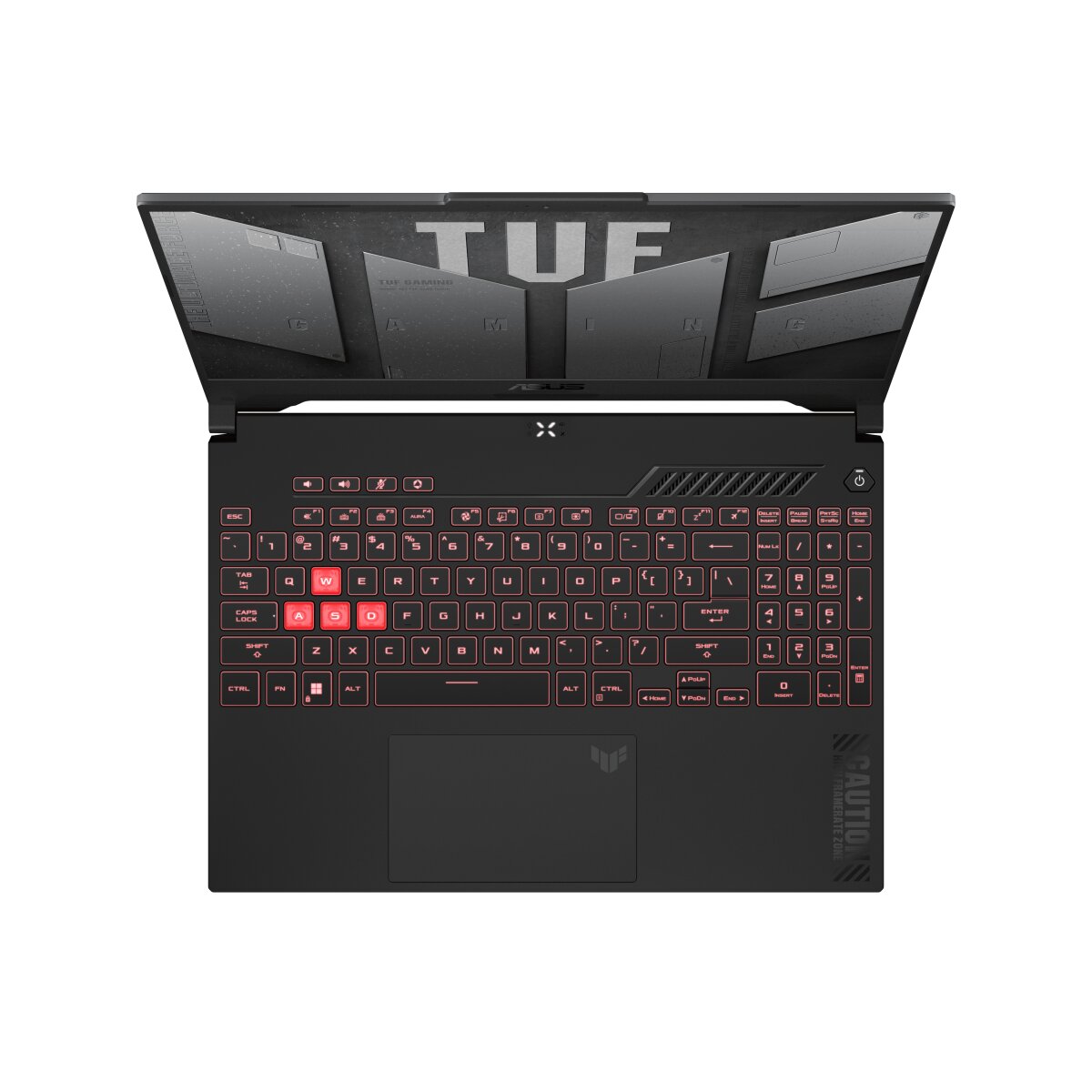
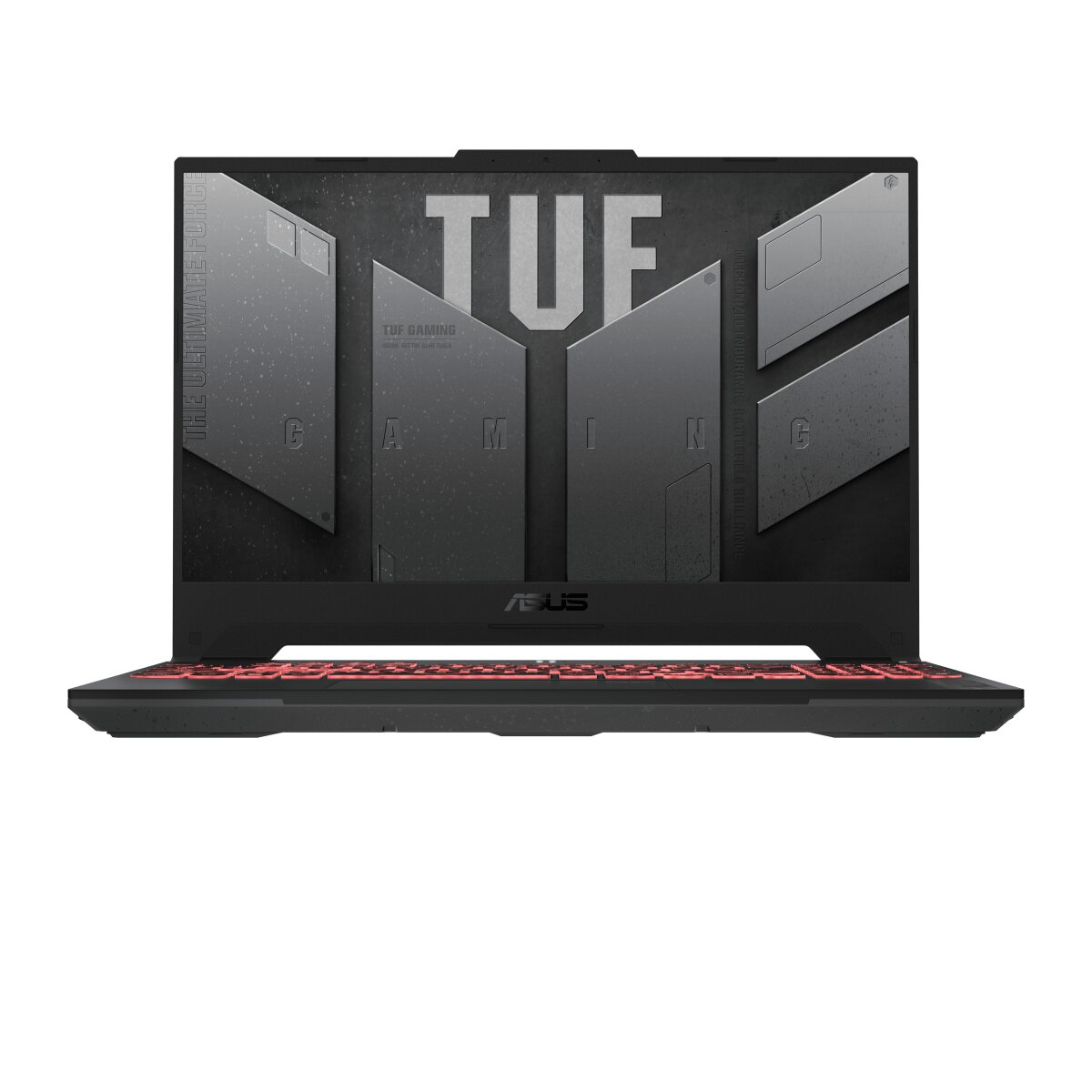


ASUS TUF Gaming A17 FA707NUR-HX078W laptop features DDR5-SDRAM memory upgrade specifications with dual SO-DIMM slots supporting maximum capacity of 32 GB RAM. Compatible memory modules operate at 4800 MHz frequency. Upgrade compatibility requires DDR5-SDRAM SO-DIMM form factor modules. Specifications indicate two memory slots available for RAM expansion, allowing configurations up to 32 GB total system memory for enhanced multitasking and performance capabilities.
Memory Upgrade Specifications
| Specification | Value |
|---|---|
| Memory slots | 2x SO-DIMM |
| Form factor | SO-DIMM |
| Memory type | DDR5-SDRAM |
| Frequency | 4800 MHz |
| Maximum RAM | 32 GB |
| Voltage | 1.1V |
| Number of pins | 262-pin |
| Interface | PC5 |
| PC Speed Rating | PC5-4800 (PC5-38400) |
| Bandwidth | 38.4 GB/s |
Additional Notes
- The ASUS TUF Gaming FA707NUR-HX078W requires DDR5 modules specifically, making DDR4 modules physically incompatible due to different notch positioning on the module edge.
- The 32 GB ceiling enforces a maximum module density configuration of 2x 16 GB, preventing use of theoretical 2x 32 GB setups available in the consumer market.
- SO-DIMM form factor restricts compatibility to laptop-specific modules, as standard desktop DIMM modules measure 133.35 mm versus the required 69.6 mm SO-DIMM length.
- Native 4800 MHz operation occurs only when both modules match this speed specification, while mixing different frequencies forces all modules to downclock to the slowest installed speed.
- Dual SO-DIMM slot architecture enables dual-channel operation only when both slots contain matched capacity modules, otherwise reverting to asymmetric or single-channel mode with reduced memory bandwidth.
- DDR5 voltage standards at 1.1V differ from DDR4's 1.2V requirement, making cross-generation module substitution impossible even if physical installation were feasible.
- Modules exceeding JEDEC standard height of 30 mm may encounter clearance interference with the bottom panel or thermal solutions in this chassis design.
- Warranty preservation typically requires maintaining factory-sealed SO-DIMM compartment access doors separate from general bottom panel removal, though policies vary by region.
- Single-rank versus dual-rank module topology at identical capacities affects memory interleaving efficiency, with dual-rank configurations providing marginal bandwidth improvements in specific workloads.
- CAS latency specifications operating at 4800 MHz determine actual access timing, where CL40 modules deliver 16.67 ns latency versus CL38's 15.83 ns at identical frequency.
- Non-ECC unbuffered module requirement excludes server-grade ECC SO-DIMMs, which introduce incompatible error-correction overhead unsupported by consumer chipset memory controllers.
- XMP/EXPO overclocking profiles remain non-functional without BIOS support for SPD profile selection beyond JEDEC specifications at 4800 MHz.