ASUS TUF Gaming FA707NV-ES74 RAM upgrade specifications


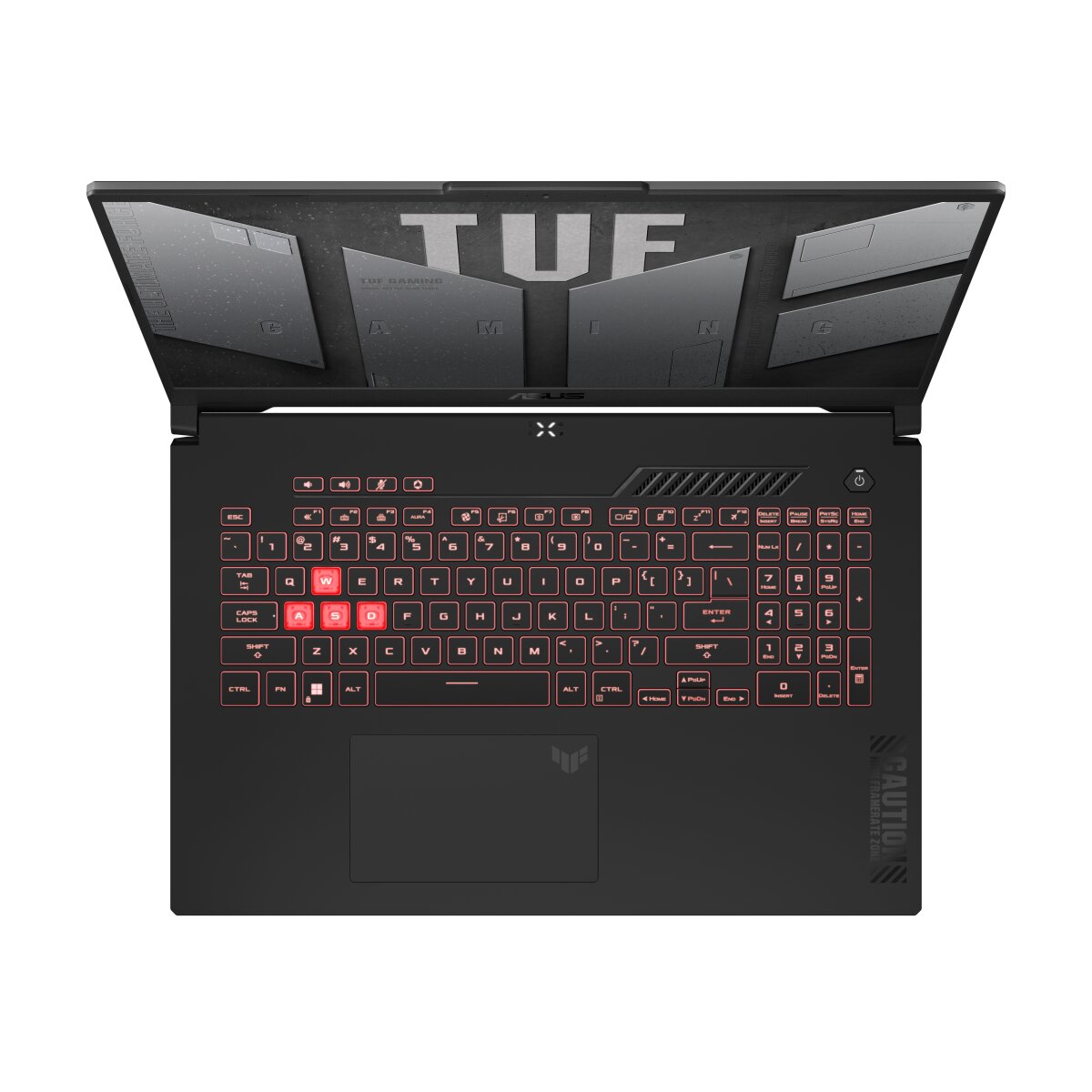


The ASUS TUF Gaming A17 FA707NV-ES74 features 2x SO-DIMM slots supporting DDR5-SDRAM memory upgrades. Maximum RAM capacity reaches 32 GB total. Compatible memory operates at 4800 MHz frequency. Specifications indicate SO-DIMM form factor for memory modules. RAM upgrade compatibility requires DDR5-SDRAM type modules. Dual slot configuration allows incremental capacity expansion. The laptop specifications support memory upgrades to achieve maximum 32 GB capacity for enhanced multitasking and performance.
Memory Upgrade Specifications
| Specification | Value |
|---|---|
| Memory slots | 2x SO-DIMM |
| Form factor | SO-DIMM |
| Memory type | DDR5-SDRAM |
| Frequency | 4800 MHz |
| Maximum RAM | 32 GB |
| Voltage | 1.1V |
| Number of pins | 262-pin |
| Interface | PC5 |
| PC Speed Rating | PC5-4800 (PC5-38400) |
| Bandwidth | 38.4 GB/s |
| Laptop Release date | 04 May 2023 |
Additional Notes
- The dual channel architecture requires symmetrical module pairs to achieve maximum memory bandwidth for the Ryzen processor.
- Installing modules with lower latency timings than the factory defaults involves BIOS compatibility risks since mobile motherboards often lack manual XMP or EXPO profile overrides.
- Occupying both slots during an upgrade necessitates the removal of existing modules because the system lacks additional expansion headers.
- Memory speeds exceeding 4800 MHz will likely downclock automatically to match the maximum supported frequency of the ASUS TUF Gaming FA707NV-ES74 internal controller.
- The use of SODIMM modules indicates a 262 pin physical interface which is incompatible with older DDR4 hardware versions.
- Thermal constraints within the chassis suggest using modules without thick integrated heat spreaders to ensure proper clearance and airflow.
- Updating to 32 GB of capacity provides the necessary overhead for high resolution video editing and concurrent background applications that exceed standard gaming requirements.
- Voltage requirements for DDR5 are typically 1.1V and mismatched voltage ratings between modules can lead to system instability or boot failures.