ASUS TUF Gaming FA707NV-HX019W/R RAM upgrade specifications




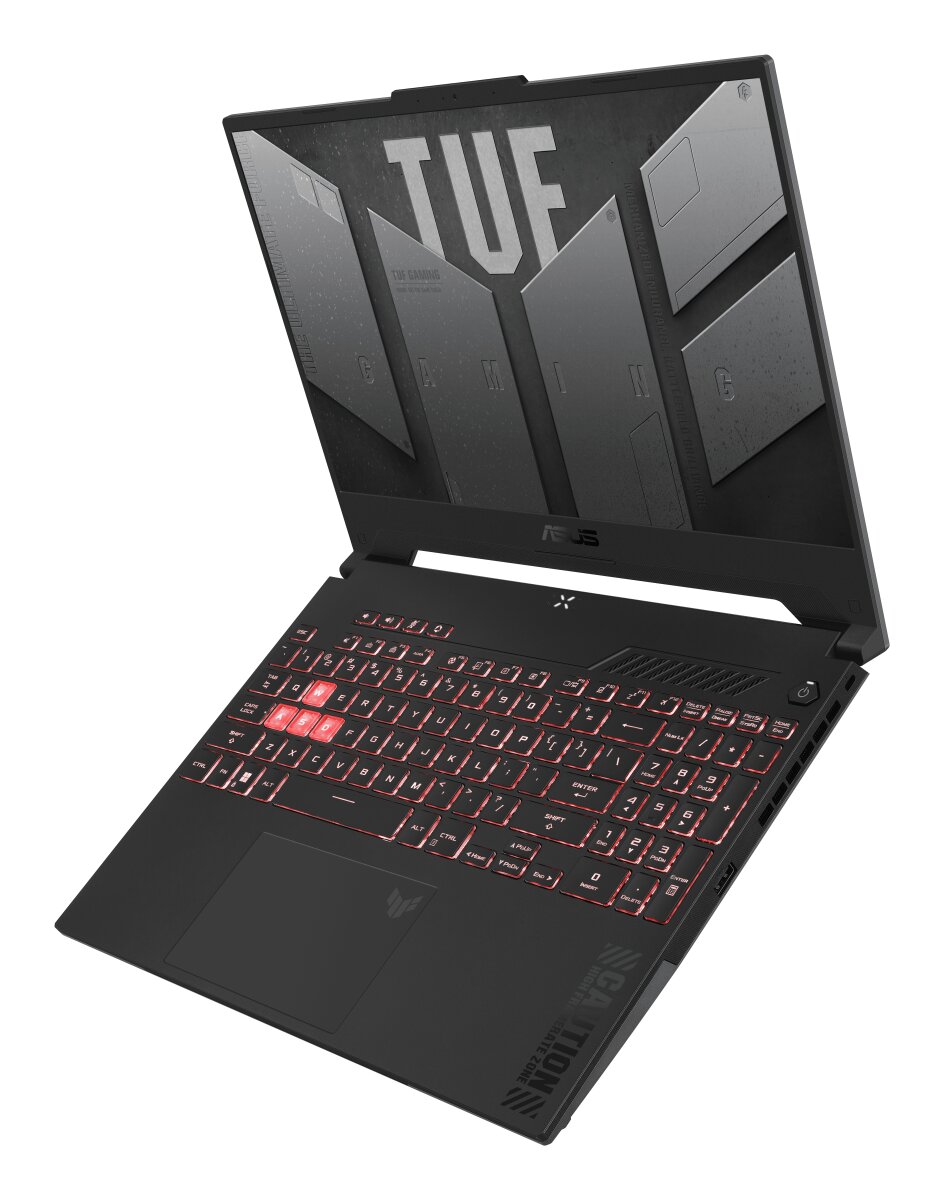
ASUS TUF Gaming A17 FA707NV-HX019W/R laptop features two SO-DIMM slots supporting DDR5-SDRAM memory upgrade specifications. Maximum RAM capacity reaches 32 GB total, with compatible modules operating at 4800 MHz frequency. The upgrade slots accommodate standard SO-DIMM form factor memory modules. Current specifications allow for dual-channel memory configuration within the designated SO-DIMM slots, enabling users to expand memory capacity up to the maximum supported threshold of 32 GB for enhanced multitasking and gaming performance.
Memory Upgrade Specifications
| Specification | Value |
|---|---|
| Memory slots | 2x SO-DIMM |
| Form factor | SO-DIMM |
| Memory type | DDR5-SDRAM |
| Frequency | 4800 MHz |
| Maximum RAM | 32 GB |
| Voltage | 1.1V |
| Number of pins | 262-pin |
| Interface | PC5 |
| PC Speed Rating | PC5-4800 (PC5-38400) |
| Bandwidth | 38.4 GB/s |
Additional Notes
- The ASUS TUF Gaming FA707NV-HX019W/R supports DDR5 memory running at 4800 MHz, which delivers substantially higher bandwidth than DDR4 architecture. This enables faster data transfers between the processor and memory subsystem, particularly beneficial for multithreaded workloads and real-time rendering applications.
- The 2x SO-DIMM slot configuration requires matching pairs for optimal dual-channel operation. Populating only 1 slot reduces memory bandwidth by approximately 50 percent, creating a performance bottleneck regardless of total capacity installed.
- Maximum addressable memory of 32 GB establishes a hard ceiling for this platform. Upgrading beyond this capacity is not possible without motherboard replacement, constraining long-term scalability for memory-intensive applications such as virtual machine hosting or 3D content creation.
- SO-DIMM form factor indicates this is a portable system with soldered or permanently integrated components elsewhere on the motherboard. The two upgrade slots represent the only user-accessible memory pathways; any soldered DRAM cannot be replaced if defective.
- The 4800 MHz specification reflects DDR5 standard performance. Actual throughput depends on both CPU and chipset validation of this frequency. Mixing memory modules with differing speed ratings may force the system to operate at the lowest common denominator frequency, degrading the faster module to match the slower one.
- Warranty coverage for memory upgrades typically remains intact when using manufacturer-approved SO-DIMM modules of compatible voltage and timing specifications. Non-standard modules or mismatched pairs may void memory-related warranty protections.