ASUS TUF Gaming FA707NV-HX070W RAM upgrade specifications


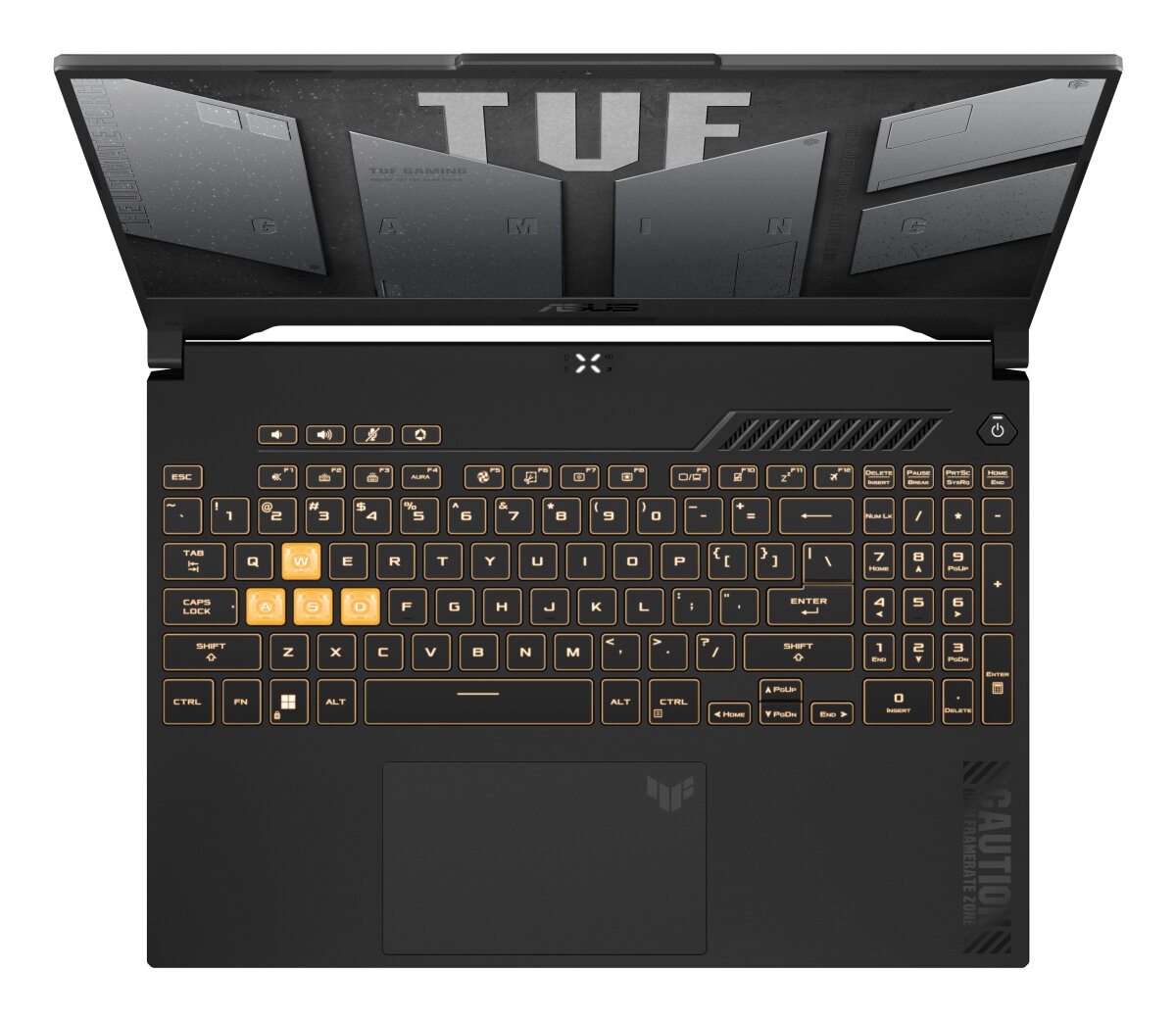


ASUS TUF Gaming A17 FA707NV-HX070W laptop features DDR5-SDRAM memory configuration with 2x SO-DIMM slots supporting maximum upgrade capacity of 32 GB. The system utilizes SO-DIMM form factor modules operating at 4800 MHz frequency. Compatible memory upgrades must meet DDR5 specifications to ensure proper functionality. Current memory slots allow for modular RAM expansion beyond factory-installed capacity. Specifications indicate maximum supported memory configuration reaches 32 GB total capacity across dual upgrade slots.
Memory Upgrade Specifications
| Specification | Value |
|---|---|
| Memory slots | 2x SO-DIMM |
| Form factor | SO-DIMM |
| Memory type | DDR5-SDRAM |
| Frequency | 4800 MHz |
| Maximum RAM | 32 GB |
| Voltage | 1.1V |
| Number of pins | 262-pin |
| Interface | PC5 |
| PC Speed Rating | PC5-4800 (PC5-38400) |
| Bandwidth | 38.4 GB/s |
Additional Notes
- The dual slot configuration supports dual channel architecture for doubled memory bandwidth when symmetrical modules occupy both positions.
- Utilizing the maximum 32 GB capacity requires the physical replacement of any preinstalled lower capacity modules because no additional unoccupied slots exist.
- The DDR5 standard operates at lower voltages than DDR4 but generates localized heat on the module due to integrated power management circuits.
- Installing memory with a frequency exceeding 4800 MHz results in an automatic downclock to the ceiling defined by the internal memory controller.
- Upgrading the **ASUS TUF Gaming FA707NV-HX070W** involves accessing the internal chassis where standard crosshead screws and plastic clips secure the base panel.
- The SO-DIMM form factor necessitates modules with a 262 pin layout to ensure physical alignment with the motherboard headers.
- Latency performance depends on the CAS latency rating of the replacement sticks since the system bios typically lacks manual timing adjustment features.
- System stability during high load scenarios relies on the installation of non-ECC unbuffered modules as registered memory is electrically incompatible.