ASUS TUF Gaming FA707RC-HX040W-BE RAM upgrade specifications




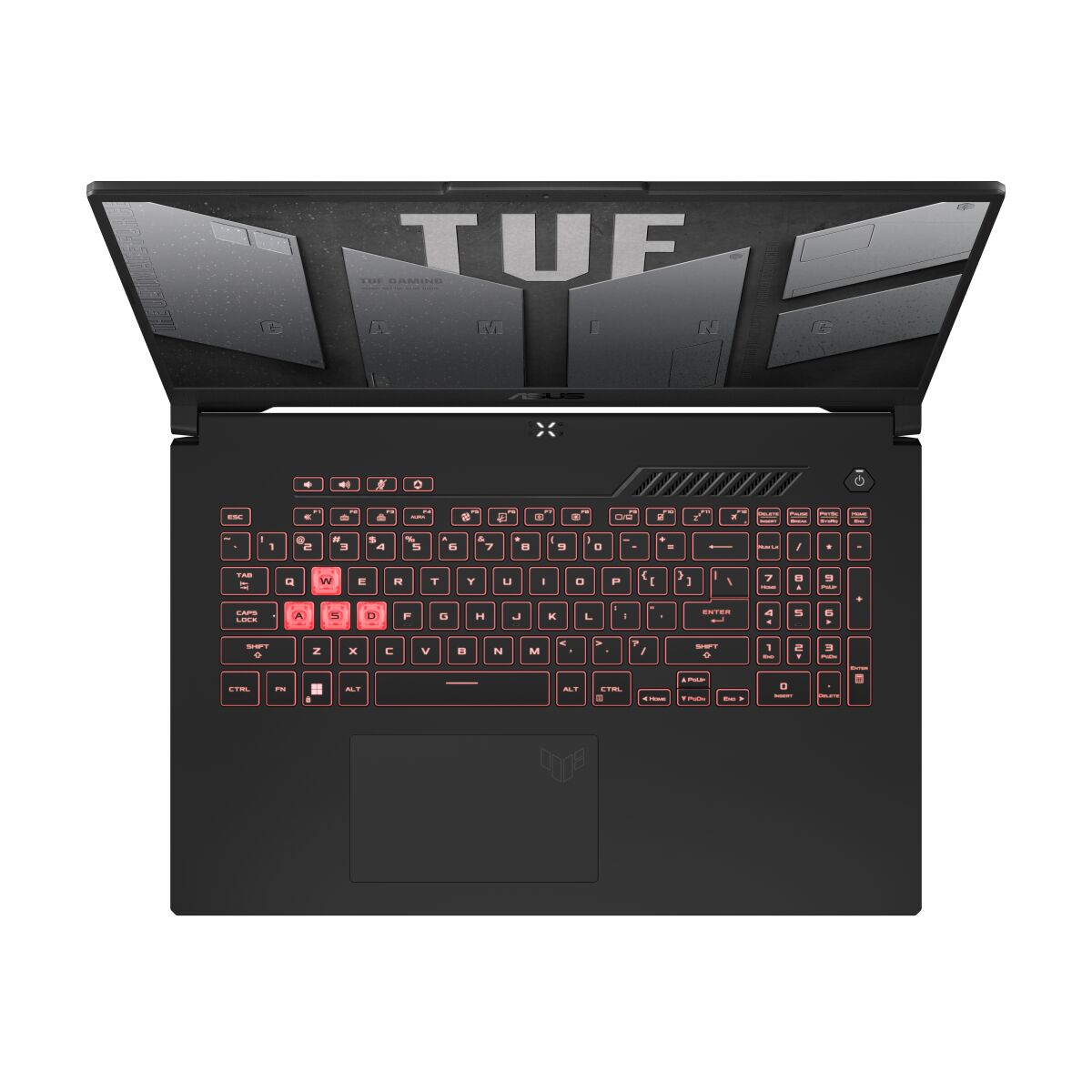
ASUS TUF Gaming A17 FA707RC-HX040W-BE laptop memory upgrade specifications feature DDR5-SDRAM technology with 2x SO-DIMM slots supporting maximum RAM capacity of 32 GB. Compatible memory modules operate at 4800 MHz frequency. SO-DIMM form factor modules provide the upgrade path for expanding the system's memory capacity. Specifications indicate DDR5 memory compatibility for the FA707RC-HX040W-BE model within the TUF Gaming A17 series.
Memory Upgrade Specifications
| Specification | Value |
|---|---|
| Memory slots | 2x SO-DIMM |
| Form factor | SO-DIMM |
| Memory type | DDR5-SDRAM |
| Frequency | 4800 MHz |
| Maximum RAM | 32 GB |
| Voltage | 1.1V |
| Number of pins | 262-pin |
| Interface | PC5 |
| PC Speed Rating | PC5-4800 (PC5-38400) |
| Bandwidth | 38.4 GB/s |
| Laptop Release date | 10 January 2022 |
Additional Notes
- The DDR5-4800 specification represents the baseline JEDEC standard speed for DDR5, which guarantees broad compatibility across memory manufacturers without requiring XMP profile activation.
- The 32 GB maximum capacity constraint indicates a dual-channel configuration limited to 16 GB per module, as DDR5 SO-DIMM modules exceeding this density may encounter chipset or BIOS compatibility barriers.
- Upgrading from factory-installed memory to the maximum 32 GB configuration requires matching both modules to identical specifications to prevent the memory controller from downclocking to the slower module's frequency or reverting to single-channel mode.
- DDR5 modules operate at 1.1V compared to DDR4's 1.2V, reducing thermal output but requiring this ASUS TUF Gaming FA707RC-HX040W-BE to use exclusively DDR5-compatible SO-DIMM modules, as the voltage difference makes DDR4 physically incompatible despite similar form factors.
- The SO-DIMM slots typically reside beneath a bottom panel access door, though certain gaming laptop designs may require partial disassembly of keyboard or palmrest components to reach memory bays.
- Installing mismatched memory speeds in dual-channel configuration forces the memory controller to synchronize both modules at the slower rated frequency, eliminating any performance benefit from a higher-speed module.
- DDR5's on-die ECC functionality operates independently of system-level error correction, providing background data integrity checks without BIOS configuration but not replacing server-grade ECC protection.
- The 4800 MHz baseline leaves headroom for future memory speed improvements if BIOS updates enable support for JEDEC's 5200 MHz or 5600 MHz profiles, though such updates depend on manufacturer validation schedules.
- Memory replacement procedures should follow anti-static precautions and module insertion at a 30-degree angle before applying downward pressure until retention clips engage audibly on both sides.
- Warranty preservation typically permits user-accessible memory upgrades without seal breakage, though verification of regional warranty terms remains advisable before accessing internal components.