ASUS TUF Gaming FA707RR-HX018W RAM upgrade specifications
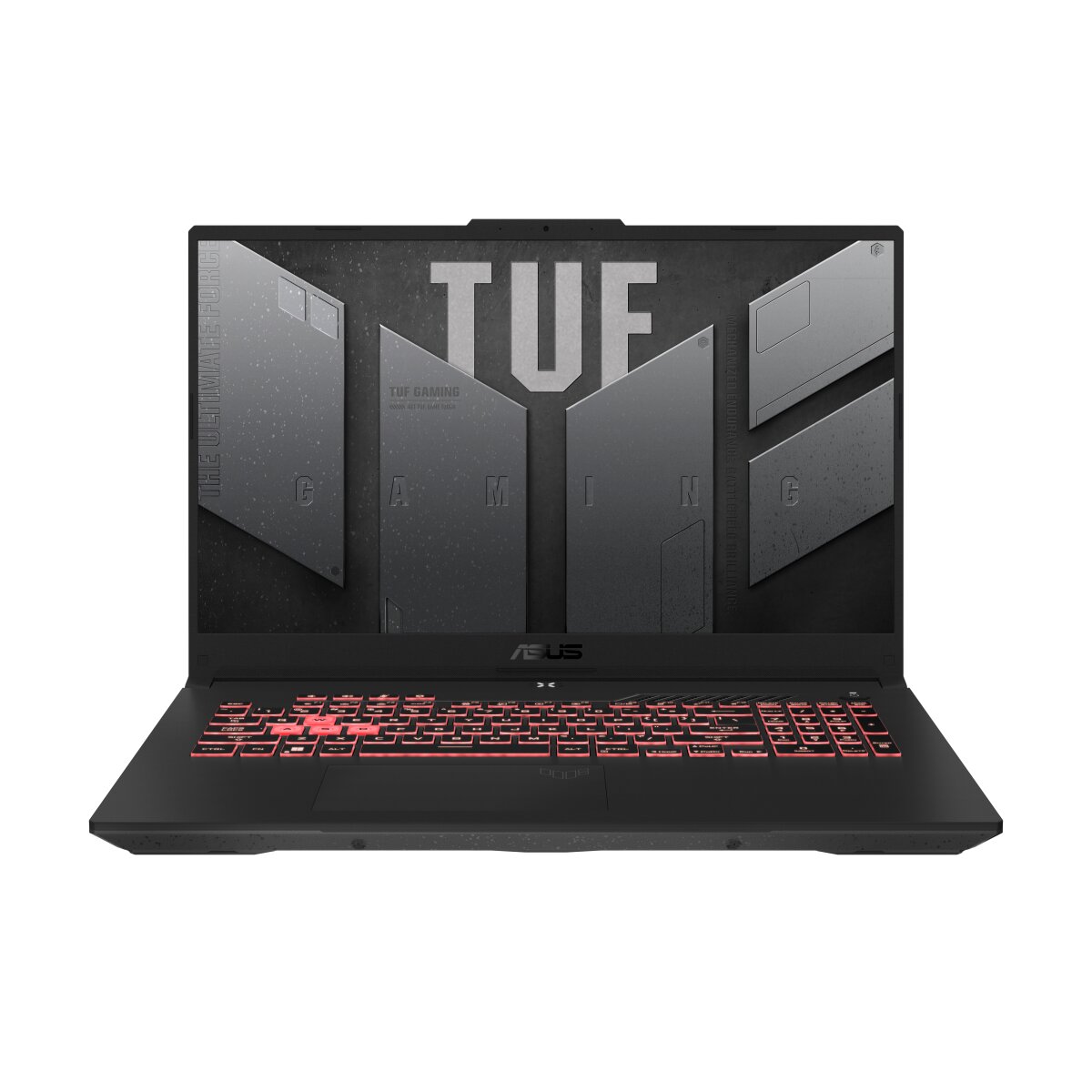
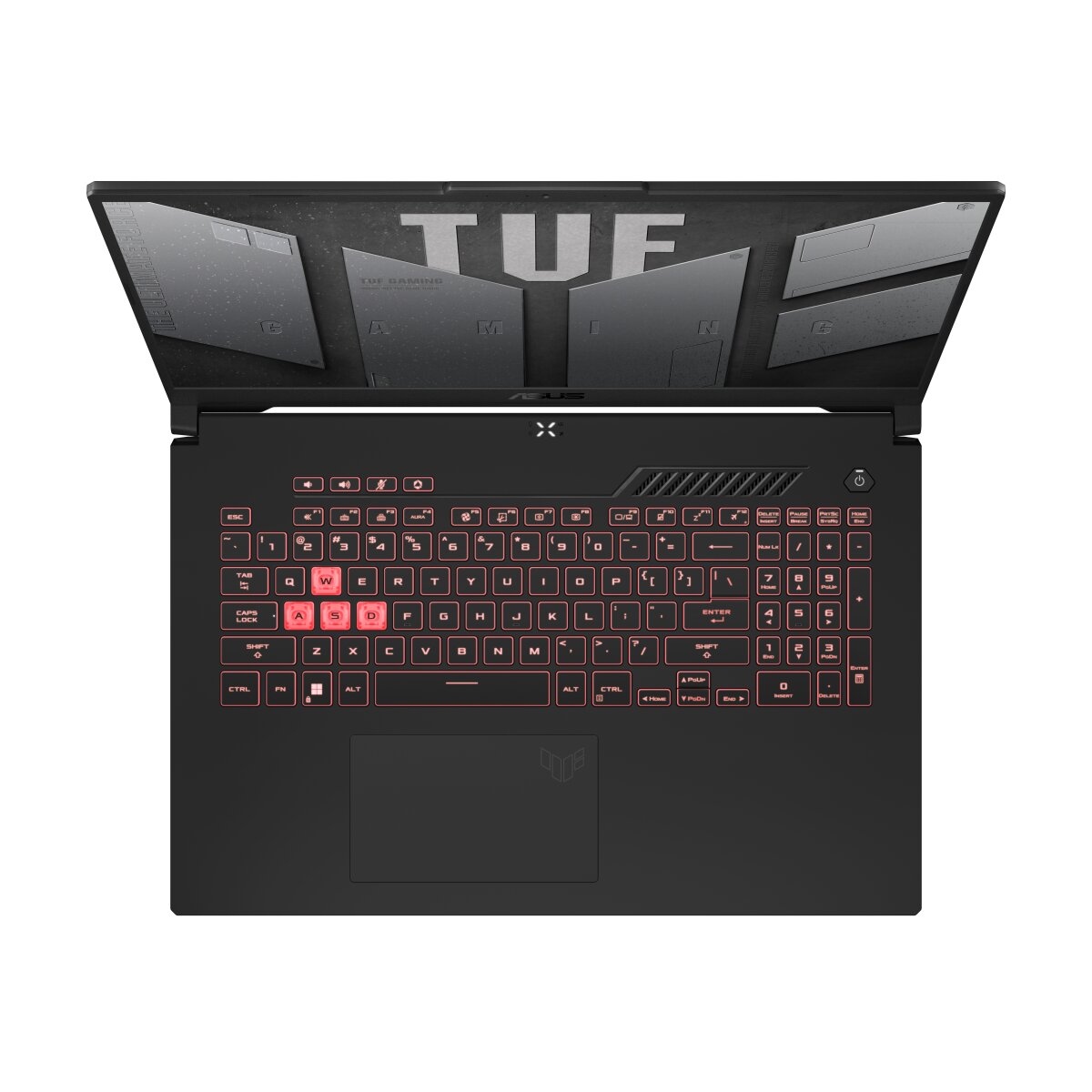
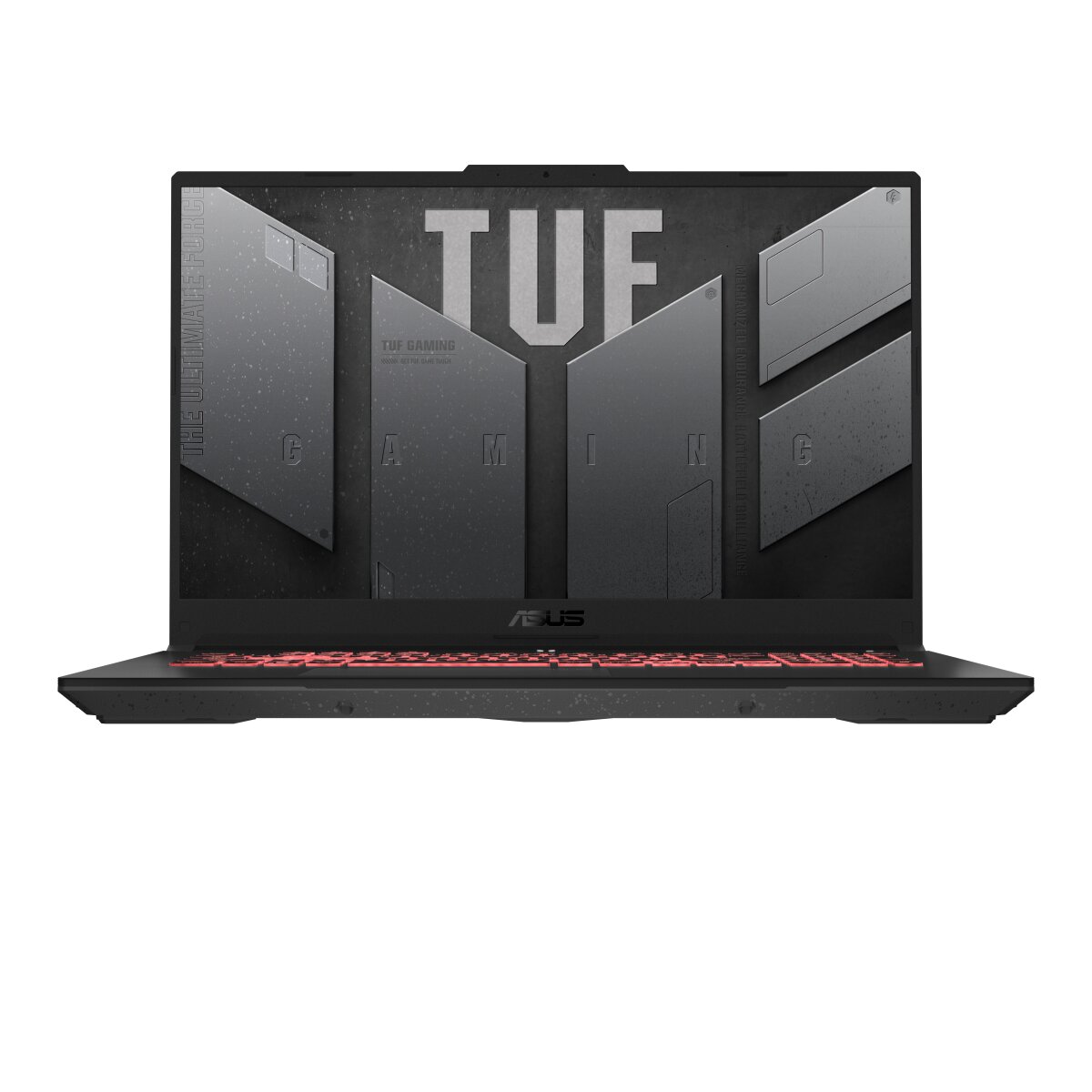
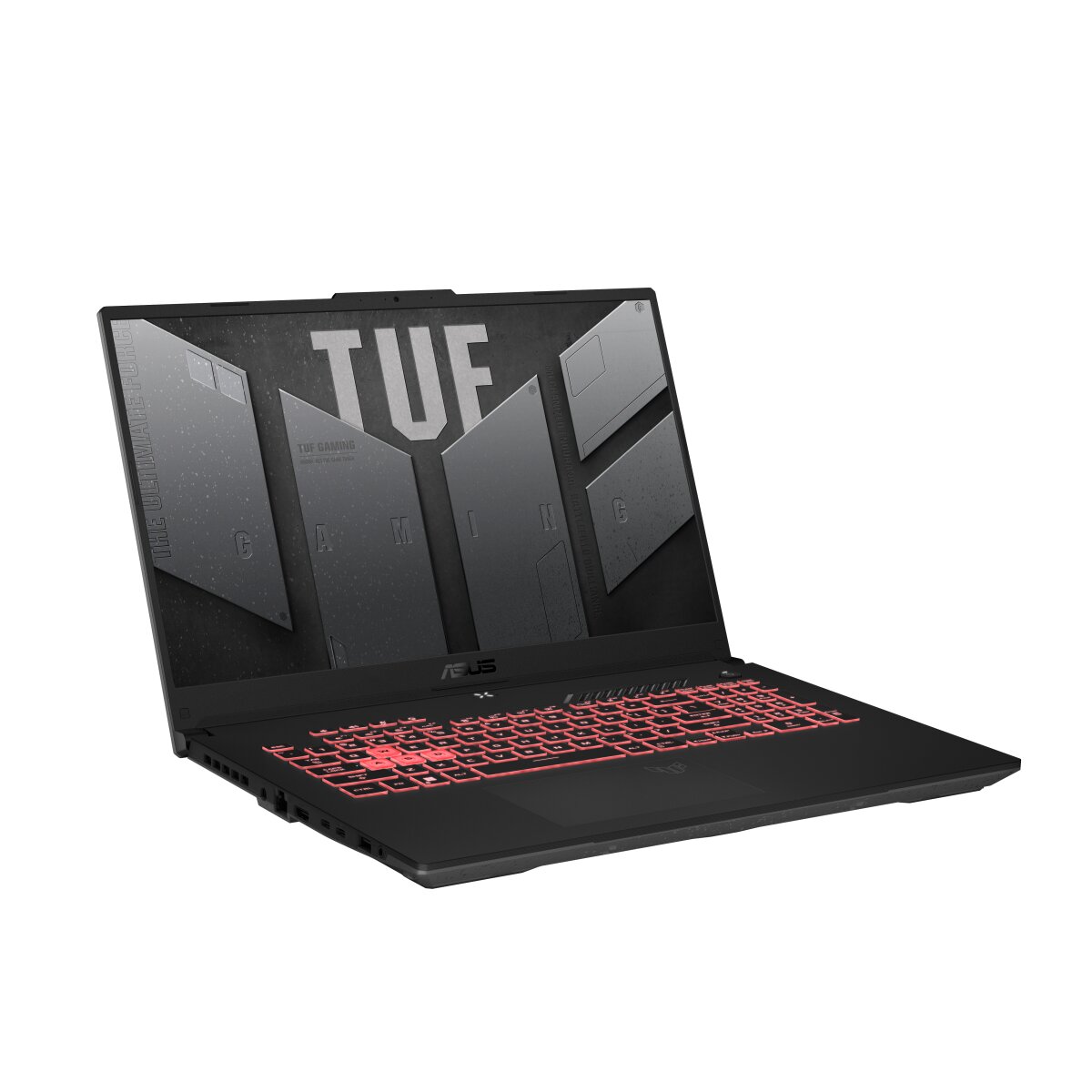
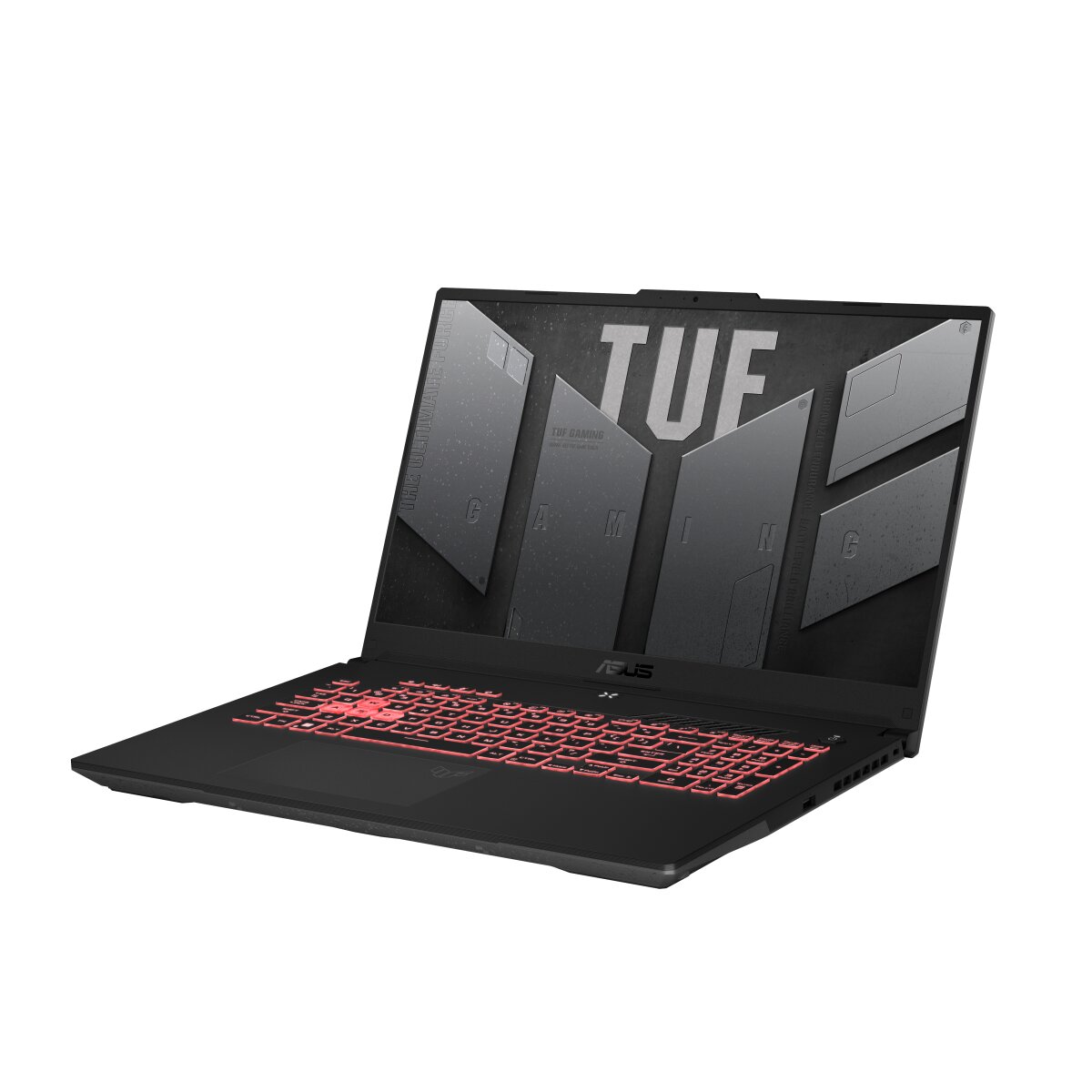
The ASUS TUF Gaming A17 FA707RR-HX018W features two SO-DIMM slots supporting DDR5-SDRAM memory upgrades. Maximum RAM capacity reaches 32 GB, with compatible modules operating at 4800 MHz frequency. The laptop specifications allow for memory expansion using standard DDR5 SO-DIMM form factor modules. Upgrade options accommodate configurations up to the maximum supported capacity for enhanced system performance and multitasking capabilities.
Memory Upgrade Specifications
| Specification | Value |
|---|---|
| Memory slots | 2x SO-DIMM |
| Form factor | SO-DIMM |
| Memory type | DDR5-SDRAM |
| Frequency | 4800 MHz |
| Maximum RAM | 32 GB |
| Voltage | 1.1V |
| Number of pins | 262-pin |
| Interface | PC5 |
| PC Speed Rating | PC5-4800 (PC5-38400) |
| Bandwidth | 38.4 GB/s |
| Laptop Release date | 12 January 2022 |
Additional Notes
- The ASUS TUF Gaming FA707RR-HX018W contains 2 SO-DIMM slots with a 32 GB ceiling, meaning single-module upgrades to 16 GB per slot represent the practical maximum configuration without replacement.
- DDR5-4800 memory operates at higher latencies than DDR4 equivalents, creating a throughput advantage only when the Ryzen processor's memory controller and L3 cache can saturate the bandwidth. Underutilized workloads will not benefit from the speed increase.
- SO-DIMM modules are proprietary to mobile form factors and cannot transfer to desktop systems. Upgrades purchased for this laptop lack resale utility outside mobile platforms.
- DDR5-SDRAM pricing remains elevated relative to DDR4, making incremental upgrades from 16 GB to 32 GB substantially more expensive per gigabyte than equivalent DDR4 transitions on older mobile platforms.
- The 2-slot architecture eliminates upgrade flexibility. Filling both slots with 16 GB modules reaches maximum capacity, leaving no headroom for future memory expansion without complete module replacement.
- Warranty coverage typically permits SO-DIMM replacement as a user-serviceable component without voiding coverage, provided no physical damage occurs during installation.
- Memory frequency negotiation between DDR5-4800-rated modules and the Ryzen CPU may default to JEDEC standard 4800 MHz if mixed-generation or mixed-brand modules are installed, reducing effective throughput if paired with older DDR5 stock.