ASUS TUF Gaming FA707XI-LL018W RAM upgrade specifications
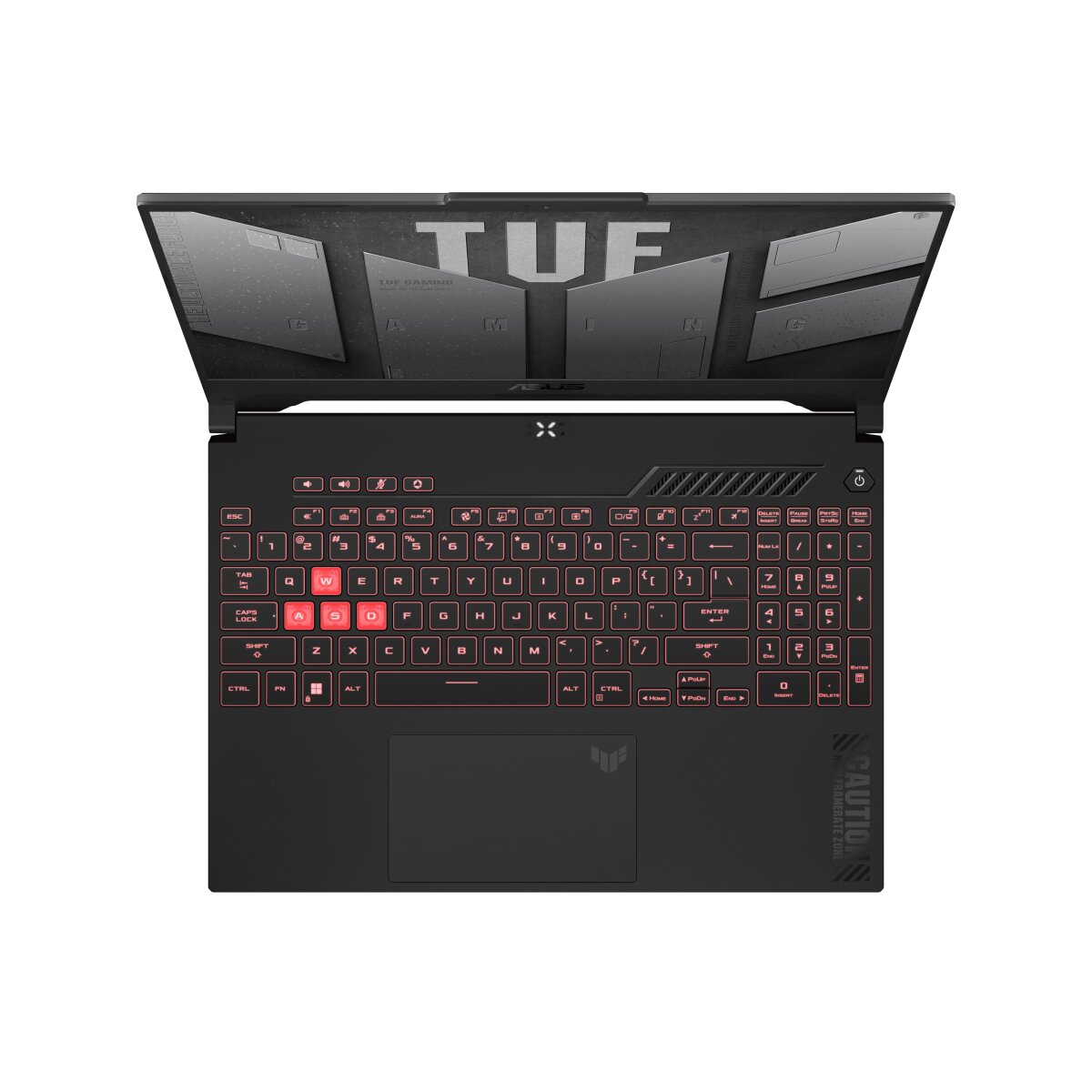

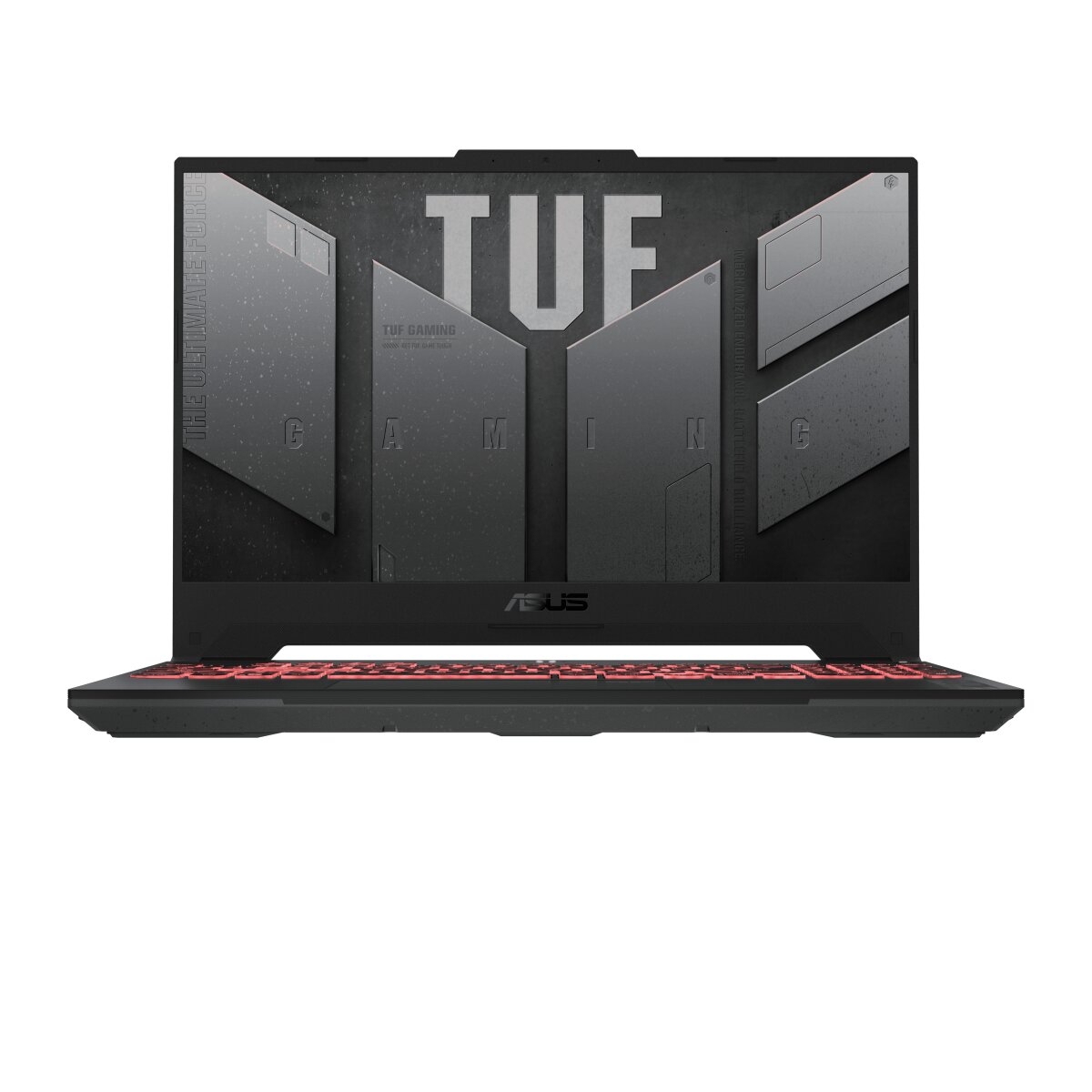


ASUS TUF Gaming A17 FA707XI-LL018W features DDR5-SDRAM memory upgrade specifications with 2x SO-DIMM slots supporting maximum capacity of 32 GB. The laptop's memory specifications accommodate DDR5 modules operating at 4800 MHz frequency. Compatible RAM upgrades utilize SO-DIMM form factor. Current and future memory expansion utilizes DDR5 technology, providing enhanced performance capabilities through dual memory slots. Specifications indicate maximum supported memory capacity and compatible upgrade pathways for this gaming laptop model.
Memory Upgrade Specifications
| Specification | Value |
|---|---|
| Memory slots | 2x SO-DIMM |
| Form factor | SO-DIMM |
| Memory type | DDR5-SDRAM |
| Frequency | 4800 MHz |
| Maximum RAM | 32 GB |
| Voltage | 1.1V |
| Number of pins | 262-pin |
| Interface | PC5 |
| PC Speed Rating | PC5-4800 (PC5-38400) |
| Bandwidth | 38.4 GB/s |
| Laptop Release date | 27 March 2023 |
Additional Notes
- The ASUS TUF Gaming FA707XI-LL018W operates with DDR5 memory running at 4800 MHz, which means memory bandwidth reaches 76.8 GB/s. This bandwidth significantly exceeds DDR4 capabilities and aligns with the laptop's processor architecture expectations, but only when both SO-DIMM slots are populated identically to avoid performance degradation.
- Upgrading from a single module to dual modules triggers a transition from single-channel to dual-channel memory operation. This architectural shift doubles effective bandwidth delivery to the processor and can improve frame rates in GPU-intensive applications by 15 to 25 percent depending on workload, though CPU-bound tasks show smaller gains.
- The 2-slot SO-DIMM configuration with a 32 GB ceiling creates a hard limit on maximum memory capacity. A future platform transition would be required to exceed this threshold, as SO-DIMM slots cannot accommodate larger individual modules than what the 32 GB specification allows.
- DDR5-4800 modules are standard for this generation, but DDR5-5600 and DDR5-6400 modules exist in the market. The laptop's BIOS may support overclocking these faster modules, though warranty coverage typically remains valid only when operating within JEDEC-specified profiles at 4800 MHz or the manufacturer's officially listed specifications.
- Installation space constraints apply within the chassis. SO-DIMM modules require 7 to 10 millimeters of clearance above the slot for removal and reinsertion. Upgrading both slots simultaneously may require keyboard removal for the second module depending on chassis design, extending service time.