ASUS TUF Gaming FA707XU-EH94 RAM upgrade specifications


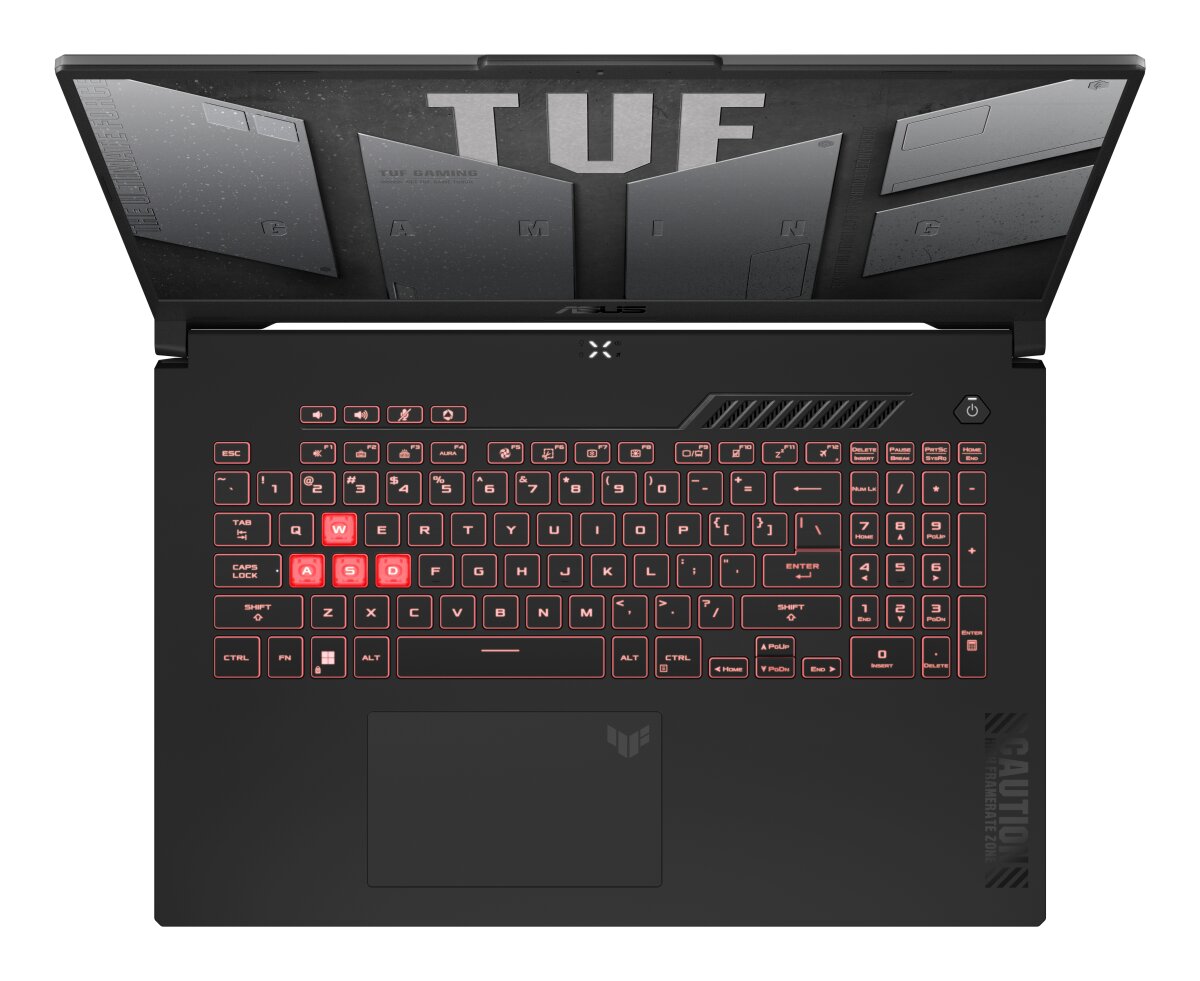

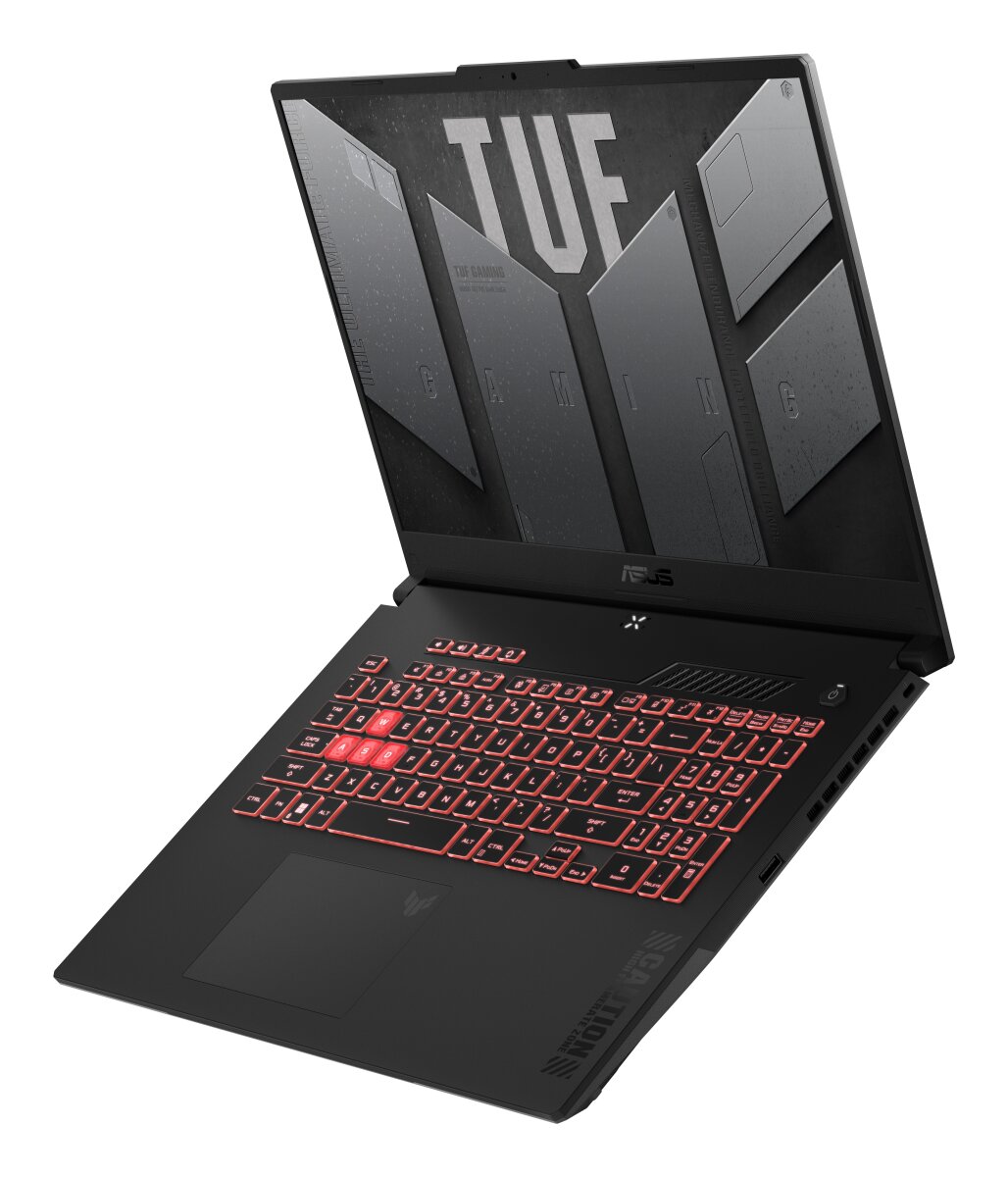
The ASUS TUF Gaming A17 FA707XU-EH94 laptop features DDR5-SDRAM memory upgrade specifications with two SO-DIMM slots supporting maximum RAM capacity of 32 GB. Compatible memory modules operate at 4800 MHz frequency. The upgrade slots accommodate SO-DIMM form factor modules, enabling users to expand the laptop's memory configuration from the factory baseline to the specified maximum capacity. These specifications define the compatible memory upgrade options available for this TUF Gaming model.
Memory Upgrade Specifications
| Specification | Value |
|---|---|
| Memory slots | 2x SO-DIMM |
| Form factor | SO-DIMM |
| Memory type | DDR5-SDRAM |
| Frequency | 4800 MHz |
| Maximum RAM | 32 GB |
| Voltage | 1.1V |
| Number of pins | 262-pin |
| Interface | PC5 |
| PC Speed Rating | PC5-4800 (PC5-38400) |
| Bandwidth | 38.4 GB/s |
Additional Notes
- The ASUS TUF Gaming FA707XU-EH94 uses DDR5 SO-DIMM modules, which are physically smaller than standard DIMM modules and incompatible with any desktop DDR5 systems or legacy DDR4 laptops.
- Maximum addressable memory of 32 GB represents a 2-slot constraint; each SO-DIMM slot supports 16 GB modules maximum, meaning no future expansion beyond this ceiling is possible through capacity increases alone.
- The 4800 MHz native frequency operates at DDR5 JEDEC standard specifications; any replacement modules rated above this speed will automatically downclock to 4800 MHz unless custom BIOS overclocking profiles are enabled, which may void thermal and power delivery warranties.
- Single-slot memory replacement carries thermal risk; removing one module forces the remaining module to operate in asymmetrical single-channel mode, reducing effective bandwidth by approximately 50 percent and increasing memory latency until both slots are populated.
- DDR5 SO-DIMM sourcing remains limited compared to DDR4 laptop modules; third-party manufacturers offer fewer certified options, potentially creating long lead times for replacement modules if the original module fails outside warranty coverage.
- Installing mismatched DDR5 speeds or timings across the 2 slots will trigger automatic BIOS frequency throttling to the lower module's specification, negating any performance gain from higher-speed modules.
- SO-DIMM insertion requires precise angled seating followed by vertical pressure to engage retention clips; improper installation can damage the SODIMM slot connector on the motherboard, resulting in complete memory failure that cannot be repaired outside factory service.