ASUS TUF Gaming FA707XU-HX009W RAM upgrade specifications


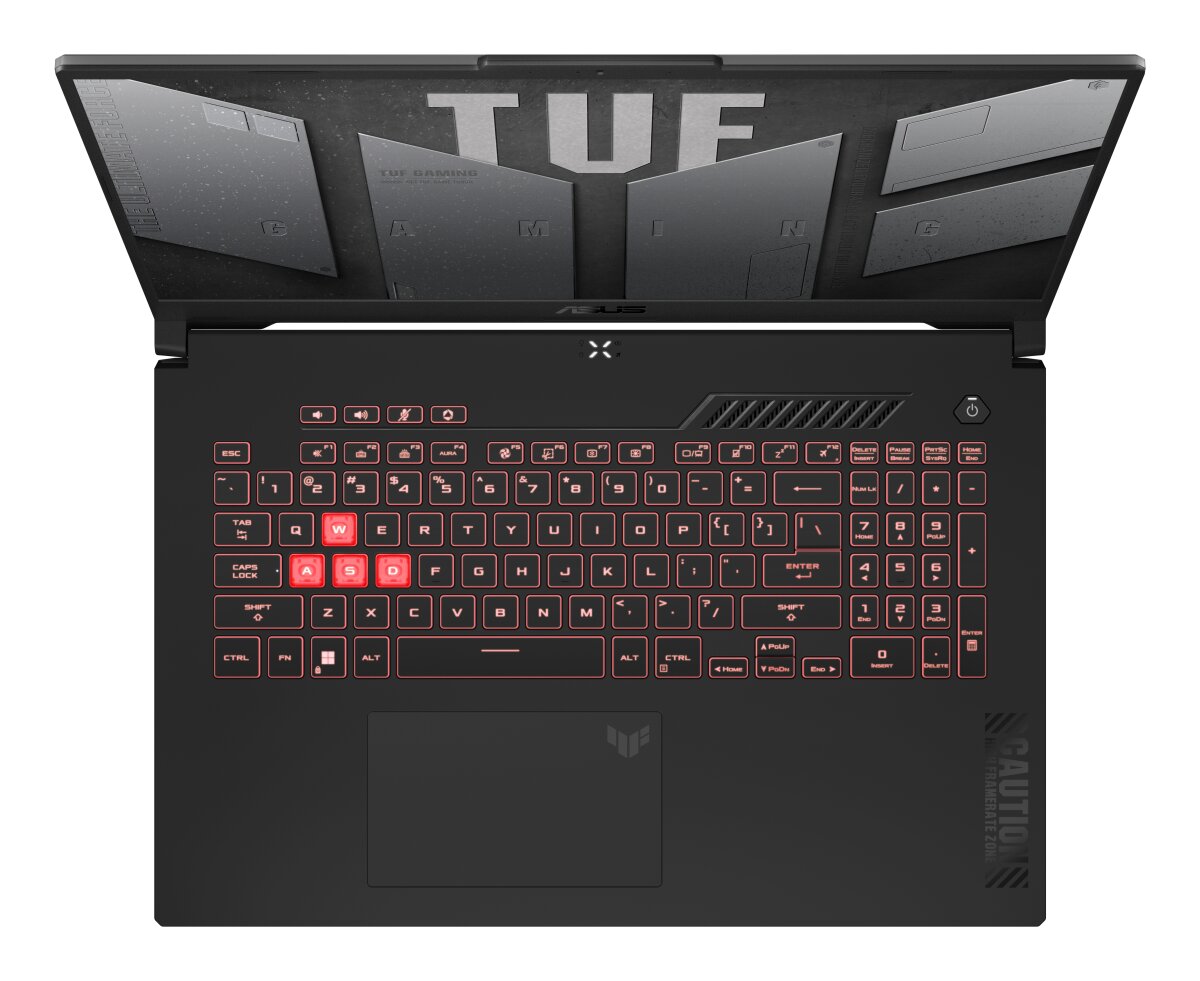


The ASUS TUF Gaming A17 FA707XU-HX009W features two SO-DIMM slots supporting DDR5-SDRAM memory upgrades. Maximum RAM capacity reaches 32 GB with DDR5-4800 MHz specifications. Compatible memory modules utilize the SO-DIMM form factor for portable computing applications. Upgrade slots accommodate compatible DDR5 memory configurations within the maximum capacity specifications.
Memory Upgrade Specifications
| Specification | Value |
|---|---|
| Memory slots | 2x SO-DIMM |
| Form factor | SO-DIMM |
| Memory type | DDR5-SDRAM |
| Frequency | 4800 MHz |
| Maximum RAM | 32 GB |
| Voltage | 1.1V |
| Number of pins | 262-pin |
| Interface | PC5 |
| PC Speed Rating | PC5-4800 (PC5-38400) |
| Bandwidth | 38.4 GB/s |
Additional Notes
- The ASUS TUF Gaming FA707XU-HX009W contains 2 SO-DIMM slots, indicating both memory modules must be replaced simultaneously to achieve the 32 GB maximum capacity, as single-slot upgrades leave the second slot empty and reduce dual-channel bandwidth efficiency.
- DDR5-4800 MHz memory operates at significantly higher latency cycles than DDR4 equivalents, necessitating verification that system BIOS supports native 4800 MHz profiles to avoid forced downclocking to JEDEC standards, which would eliminate the frequency advantage.
- SO-DIMM form factor constrains physical clearance beneath the keyboard deck; aftermarket cooling solutions or internal expansion cards may obstruct RAM installation access, requiring pre-removal if such components were retrofitted.
- The 32 GB ceiling combined with 2 slots means no upgrade path exists beyond this threshold within the current motherboard architecture; future memory expansion requires complete module replacement rather than incremental additions.
- Mixing DDR5 speeds (existing installed modules with new purchases) forces the system to operate at the lower frequency of the slowest module; matching exact model numbers and timings across both slots prevents performance degradation and potential stability issues.
- SO-DIMM modules generate concentrated heat in compact laptop chassis; airflow obstruction from dust accumulation around memory slots accelerates thermal throttling, particularly during sustained GPU-intensive workloads common in this gaming platform.