ASUS TUF Gaming FA707XV-HX033W RAM upgrade specifications


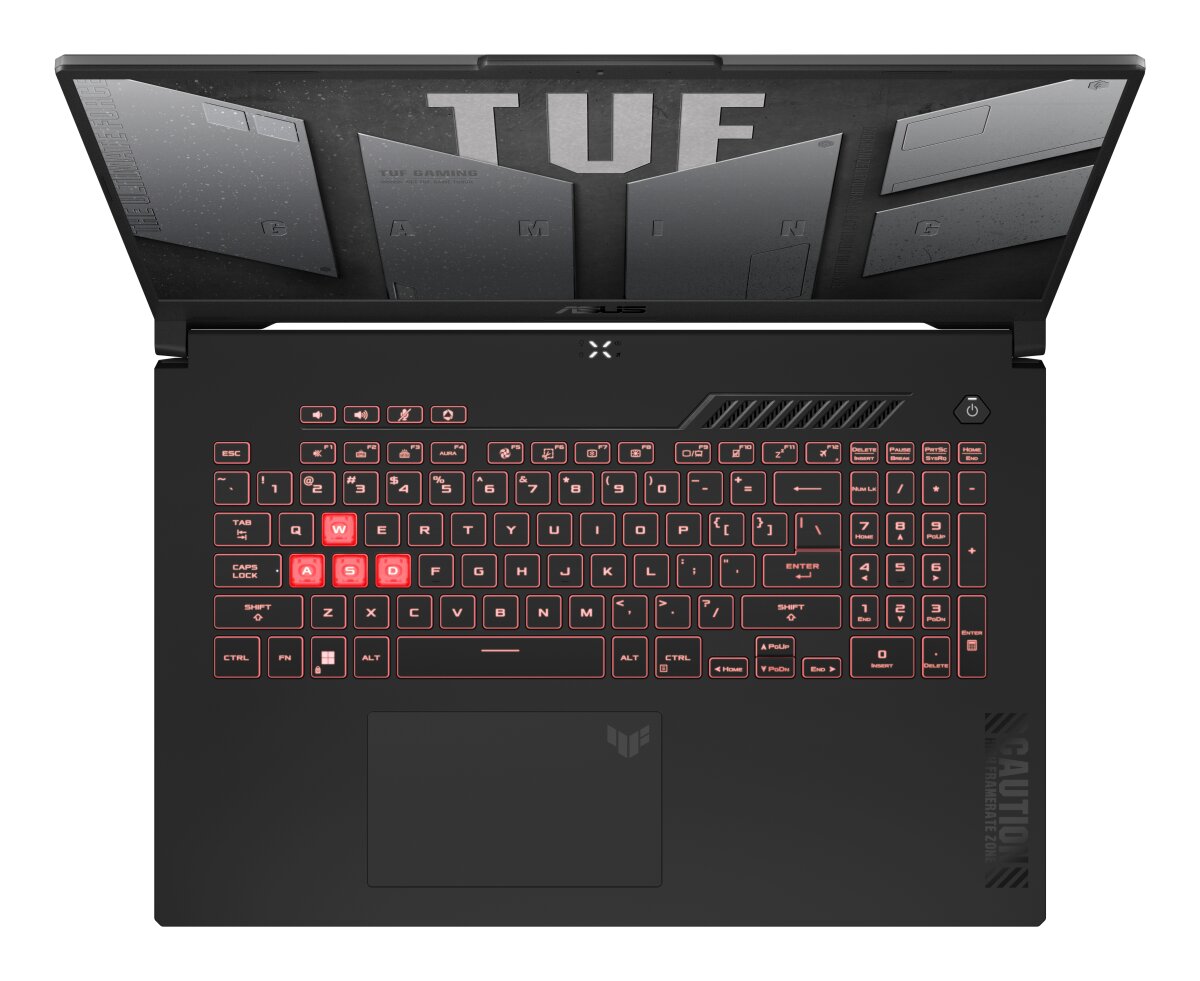


ASUS TUF Gaming A17 FA707XV-HX033W RAM upgrade specifications: The laptop features 2x SO-DIMM slots supporting DDR5-SDRAM memory at 4800 MHz frequency. Maximum compatible RAM capacity reaches 32 GB total. Upgrade options include DDR5 SO-DIMM modules compatible with specifications for this TUF Gaming series model. Memory slots accommodate standard SO-DIMM form factor upgrades, enabling users to expand system memory up to maximum supported capacity.
Memory Upgrade Specifications
| Specification | Value |
|---|---|
| Memory slots | 2x SO-DIMM |
| Form factor | SO-DIMM |
| Memory type | DDR5-SDRAM |
| Frequency | 4800 MHz |
| Maximum RAM | 32 GB |
| Voltage | 1.1V |
| Number of pins | 262-pin |
| Interface | PC5 |
| PC Speed Rating | PC5-4800 (PC5-38400) |
| Bandwidth | 38.4 GB/s |
Additional Notes
- The ASUS TUF Gaming FA707XV-HX033W supports DDR5-4800 modules, meaning DDR4 modules are electrically and physically incompatible due to different notch positioning and voltage requirements.
- The 32 GB maximum capacity constraint applies regardless of individual module density, preventing installation of 2x32 GB configurations even if the modules physically fit the SO-DIMM slots.
- DDR5 SO-DIMM modules faster than 4800 MHz will typically downclock to the supported frequency, potentially wasting the cost premium of higher-speed modules.
- The dual-channel architecture requires matched pairs of identical capacity modules to maintain symmetrical bandwidth, as asymmetric configurations may force single-channel operation on the mismatched portion.
- DDR5's on-die ECC operates independently of system-level ECC support, providing background error correction without user configuration but not guaranteeing mission-critical reliability.
- Thermal considerations for DDR5 modules become relevant under sustained workloads, as the increased power consumption compared to DDR4 may affect module longevity in confined laptop chassis environments.
- Non-branded or value-oriented DDR5 modules may exhibit looser subtimings (CAS latency, RAS-to-CAS delay) than premium modules at the same 4800 MHz frequency, affecting latency-sensitive applications.
- Mixing modules with different ranks (single-rank versus dual-rank) can impact memory interleaving efficiency, even when total capacity remains within the 32 GB limit.
- JEDEC-standard DDR5-4800 modules ensure compatibility, while XMP or EXPO profiles may not activate in laptop BIOS implementations that lack overclocking support.
- The SO-DIMM form factor restricts upgrade options to laptop-specific modules, eliminating the possibility of adapting desktop DIMM inventory for cost savings.
- Warranty preservation typically requires avoiding removal of factory-sealed compartments, necessitating verification of accessible RAM panels before purchase of upgrade modules.
- Voltage regulation for DDR5 occurs on the module itself rather than the motherboard, meaning defective voltage regulators on third-party modules can cause system instability independent of the laptop's power delivery design.