ASUS TUF Gaming FX706HEB-HX085T RAM upgrade specifications
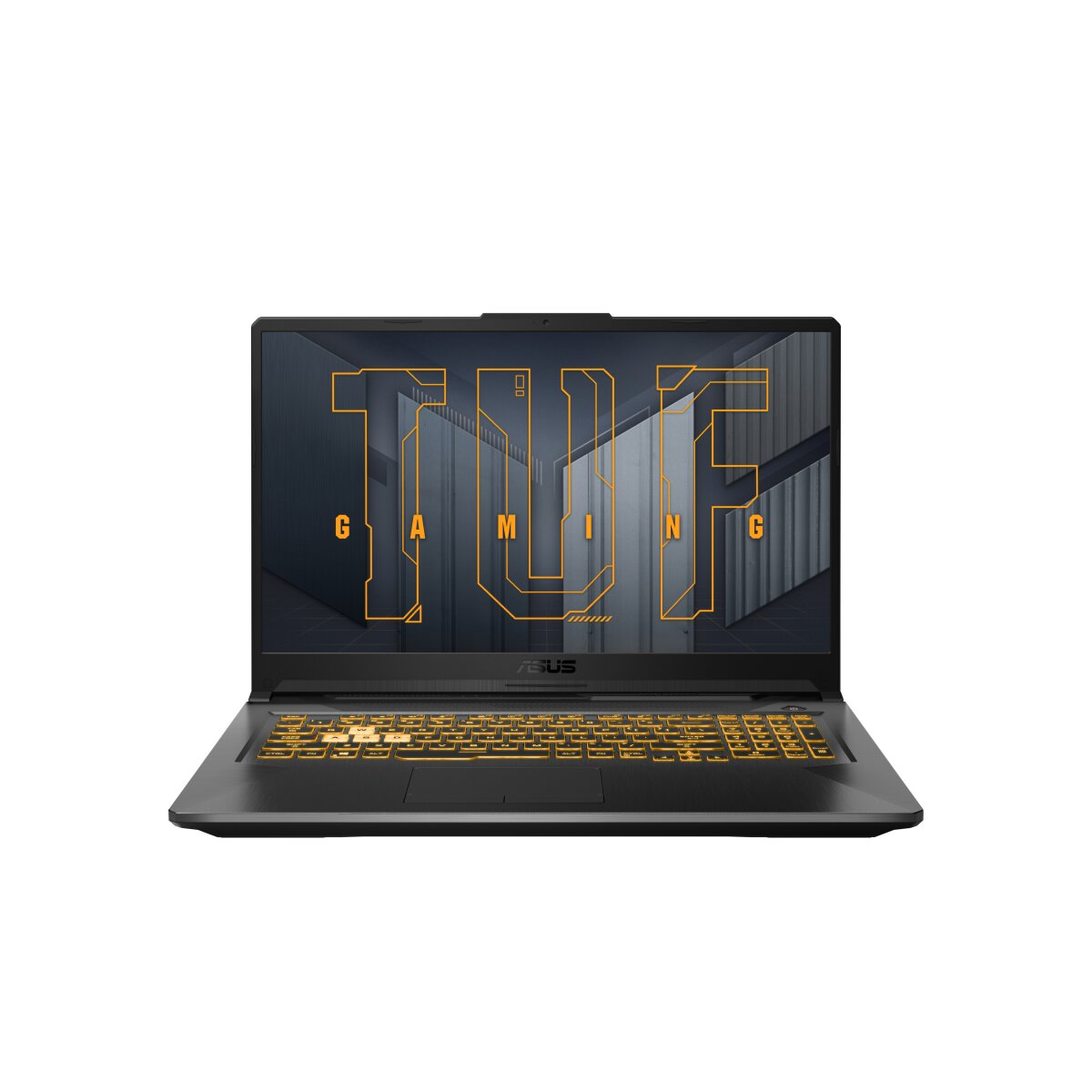
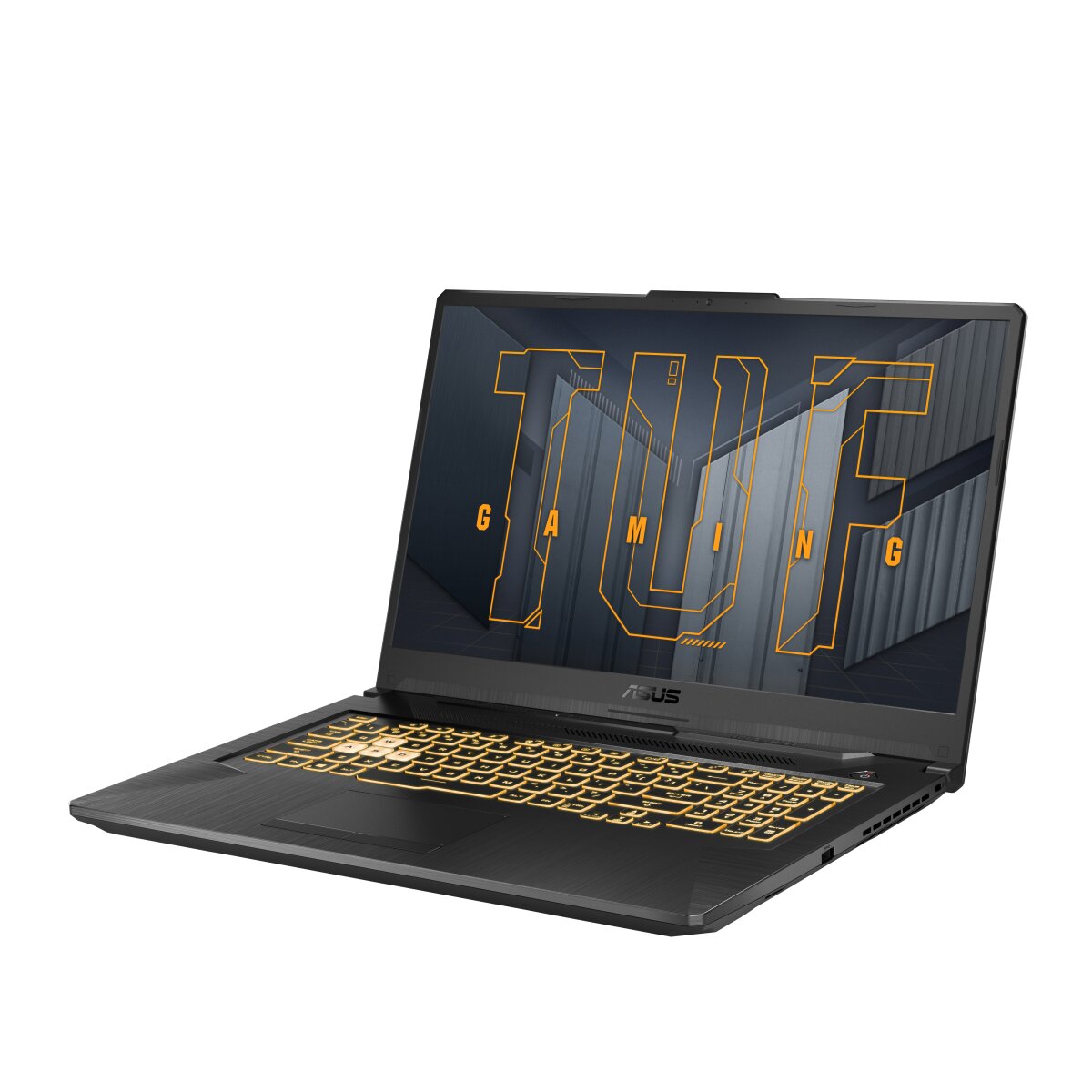
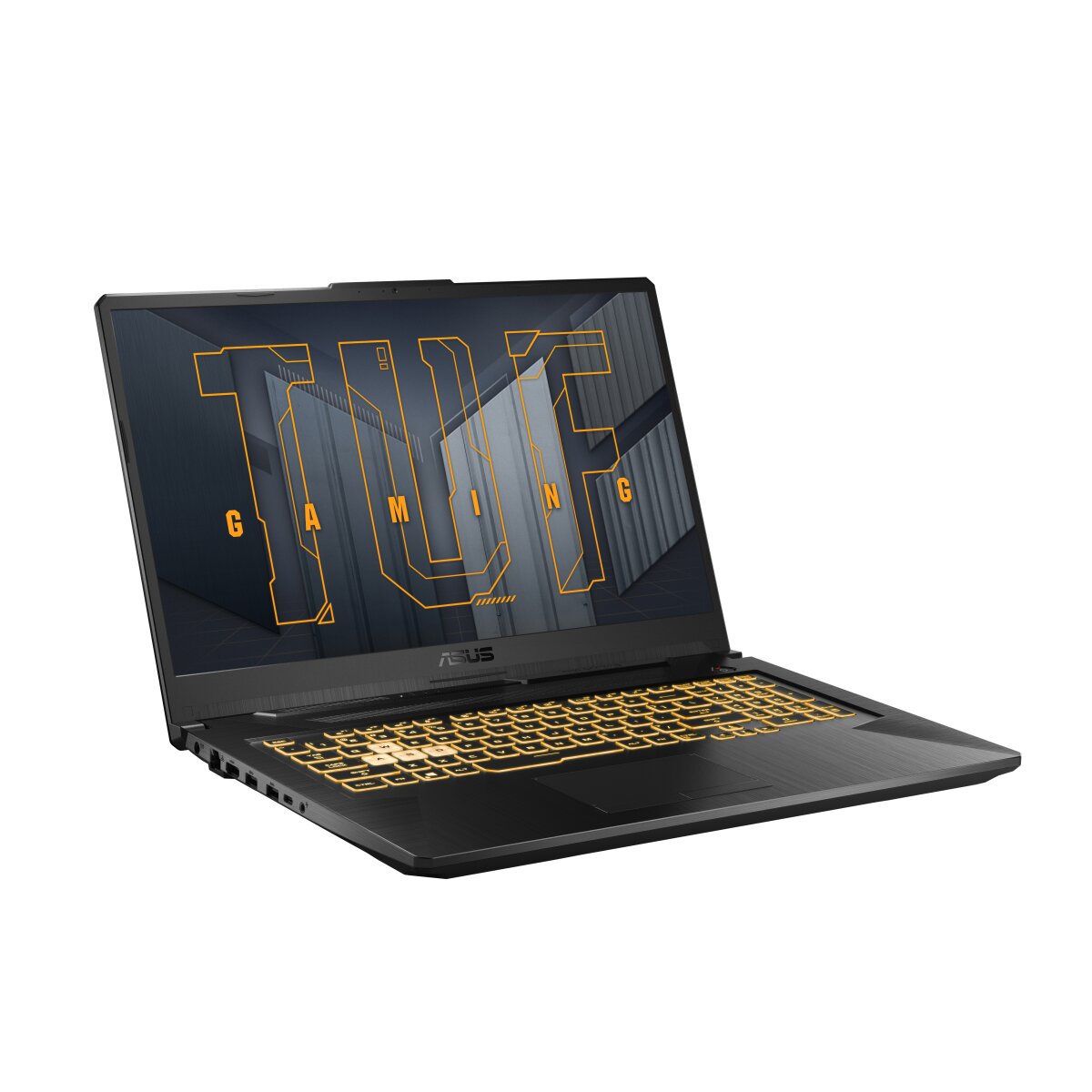
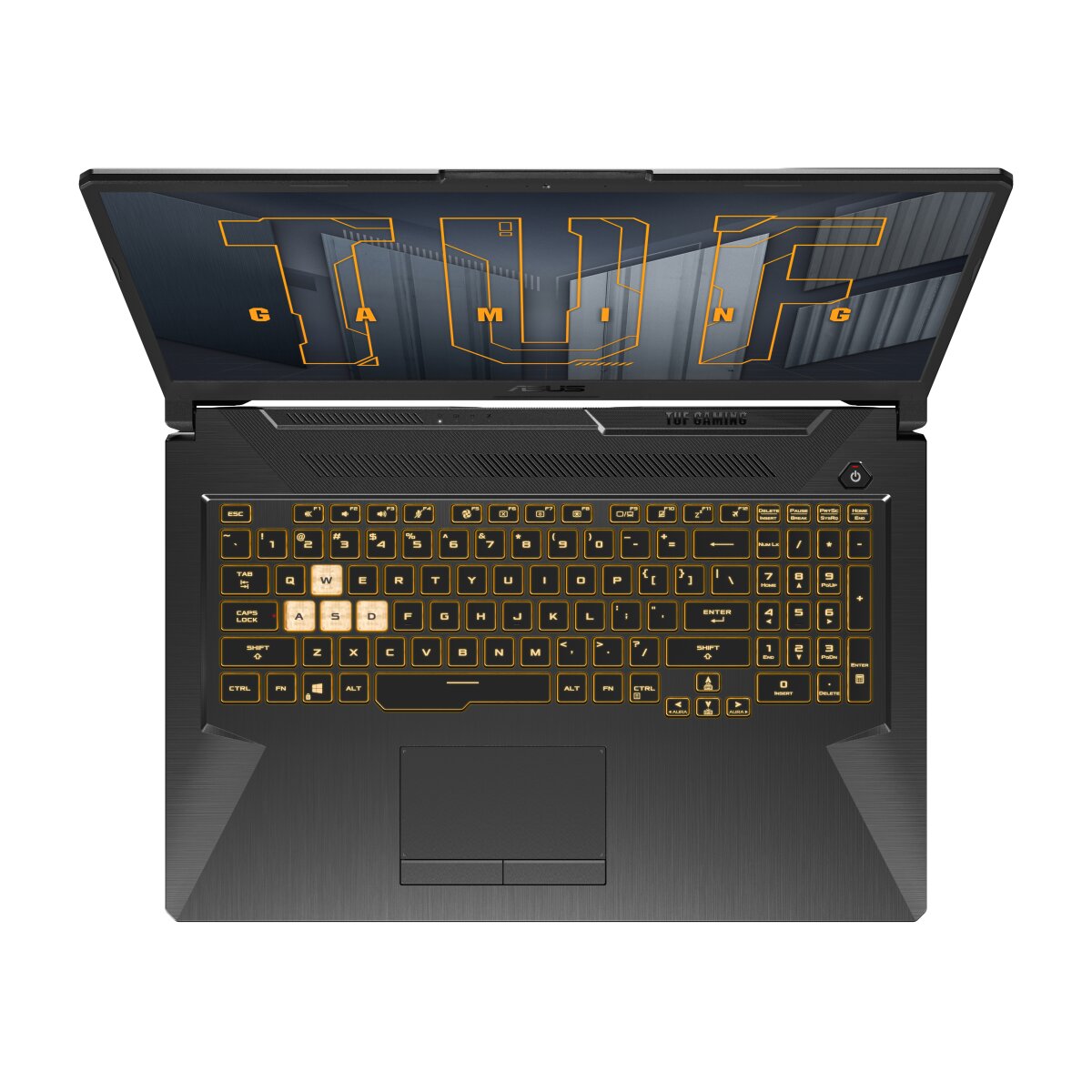
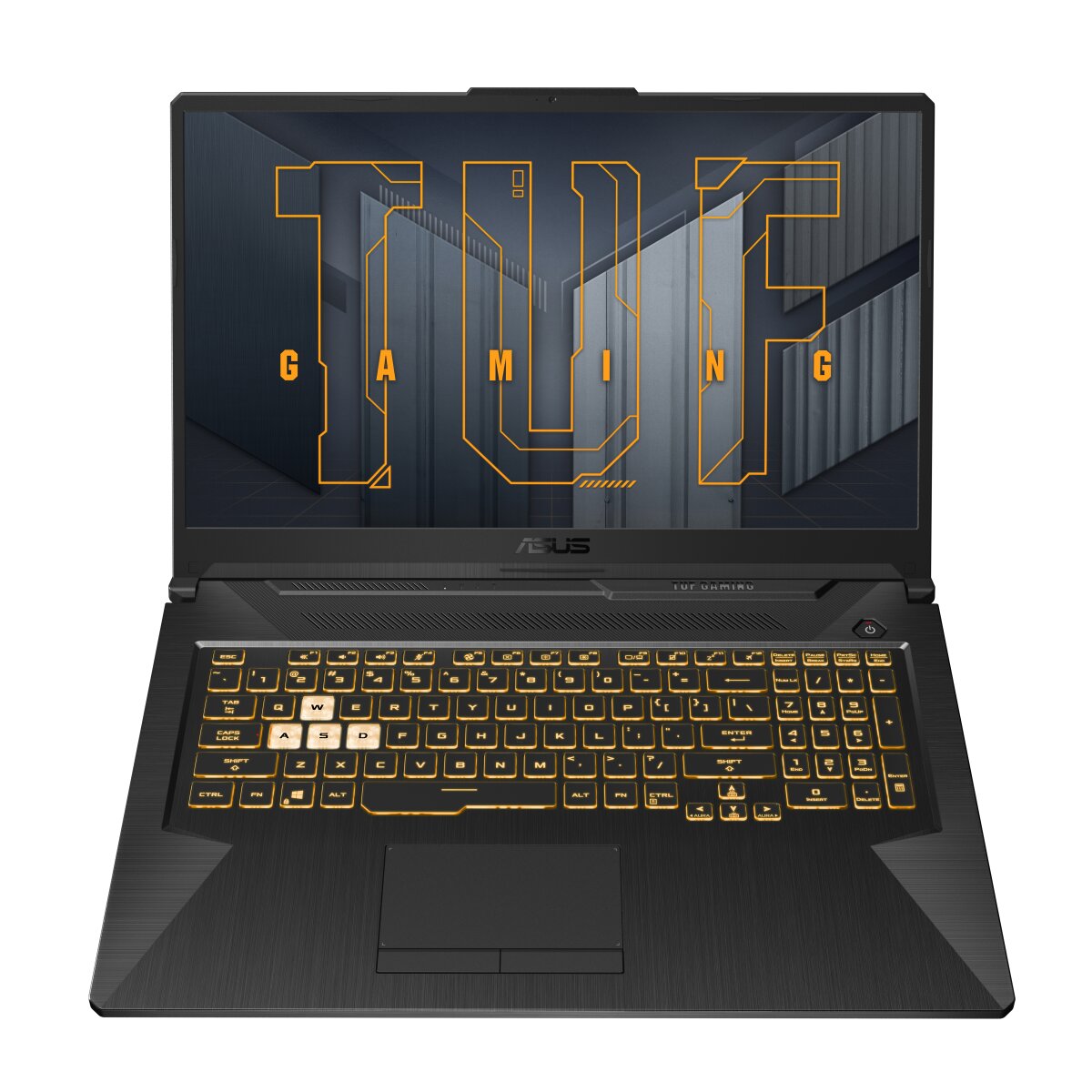
ASUS TUF Gaming A17 FX706HEB-HX085T contains two SO-DIMM slots supporting DDR4-SDRAM memory modules. Maximum RAM capacity reaches 32 GB total. Upgrade specifications indicate compatible memory operates at 3200 MHz frequency. Existing memory slots accept standard laptop SO-DIMM form factor modules. Specifications support dual-channel memory configuration for enhanced system performance during RAM upgrade procedures.
Memory Upgrade Specifications
| Specification | Value |
|---|---|
| Memory slots | 2x SO-DIMM |
| Form factor | SO-DIMM |
| Memory type | DDR4-SDRAM |
| Frequency | 3200 MHz |
| Maximum RAM | 32 GB |
| Voltage | 1.2V |
| Number of pins | 260-pin |
| Interface | PC4 |
| PC Speed Rating | PC4-3200 (PC4-25600) |
| Bandwidth | 25.6 GB/s |
| Laptop Release date | 10 July 2021 |
Additional Notes
- The ASUS TUF Gaming FX706HEB-HX085T supports DDR4-3200, meaning modules rated at lower frequencies such as 2933 MHz or 2666 MHz will downclock to match the system's capability, potentially wasting cost on higher-spec modules.
- SO-DIMM form factor indicates standard laptop memory modules, which eliminates compatibility with desktop UDIMM RAM despite identical DDR4-3200 specifications.
- The 32 GB maximum capacity enforces a practical configuration of either 2×16 GB modules or asymmetric pairing, as single 32 GB SO-DIMMs would exceed per-slot addressing limits.
- Dual-channel architecture requires matched pairs for optimal bandwidth, meaning a single module upgrade from factory configuration will halve memory throughput compared to symmetric dual-channel operation.
- Non-ECC unbuffered memory is implied by SO-DIMM consumer laptop standards, ruling out error-correcting modules even if electrically compatible with the 3200 MHz frequency.
- CAS latency specifications become critical at 3200 MHz, where CL22 modules deliver measurably lower performance than CL20 or CL19 variants despite meeting speed requirements.
- Voltage tolerance typically defaults to 1.2V for DDR4-3200 laptop modules, meaning higher-voltage 1.35V kits designed for overclocking may cause stability issues or void thermal warranties.
- Physical access to both slots may require complete bottom panel removal rather than simple access doors, affecting serviceability for users without technical disassembly experience.
- Mixed-capacity configurations such as 16 GB plus 8 GB will operate in flex mode rather than pure dual-channel, creating asymmetric bandwidth allocation across the memory address range.
- Heat spreader height on aftermarket modules must remain within JEDEC standards, as low-profile laptop chassis provide minimal clearance between SO-DIMM slots and bottom cover assemblies.