ASUS TUF Gaming FX706IC-HX009T-BE RAM upgrade specifications
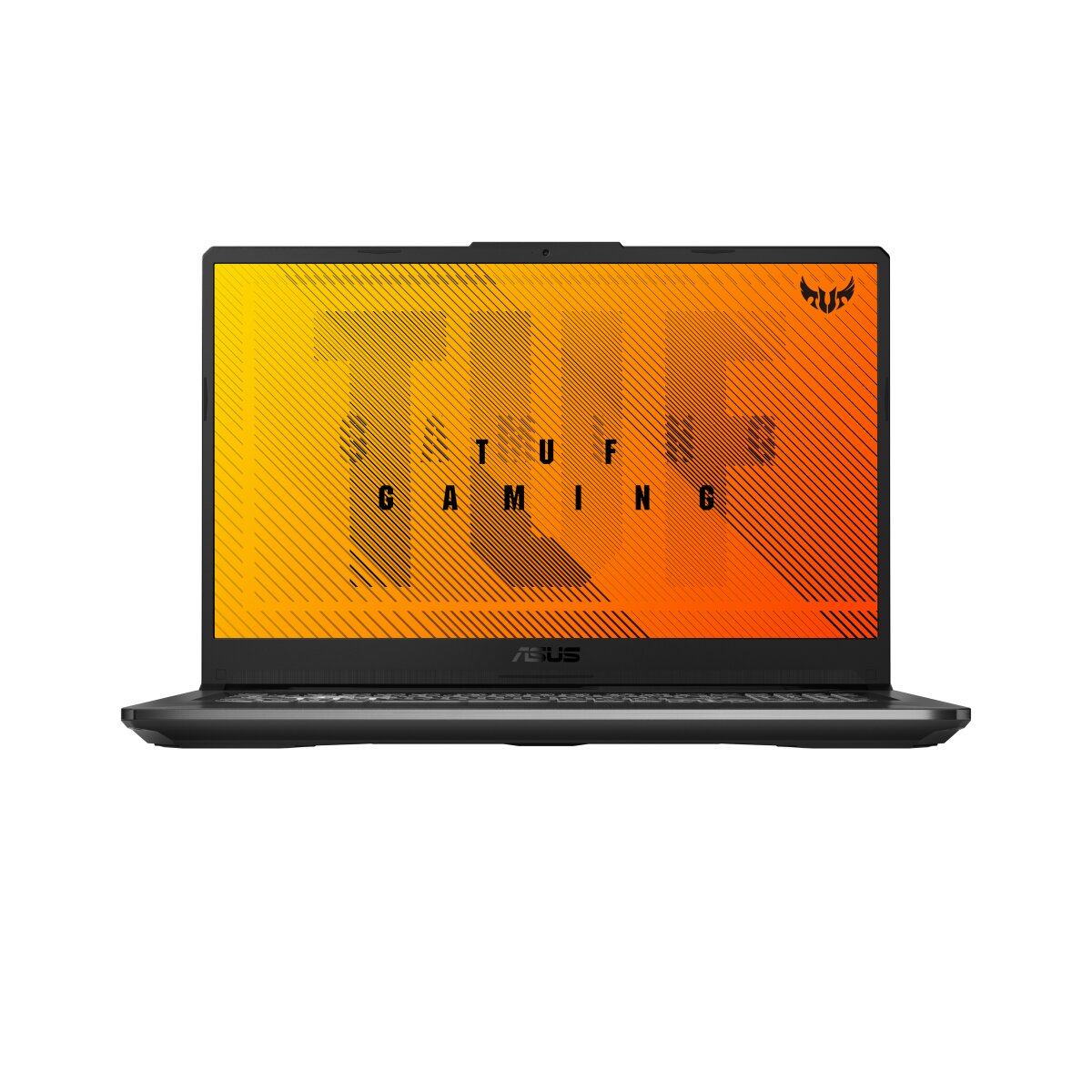
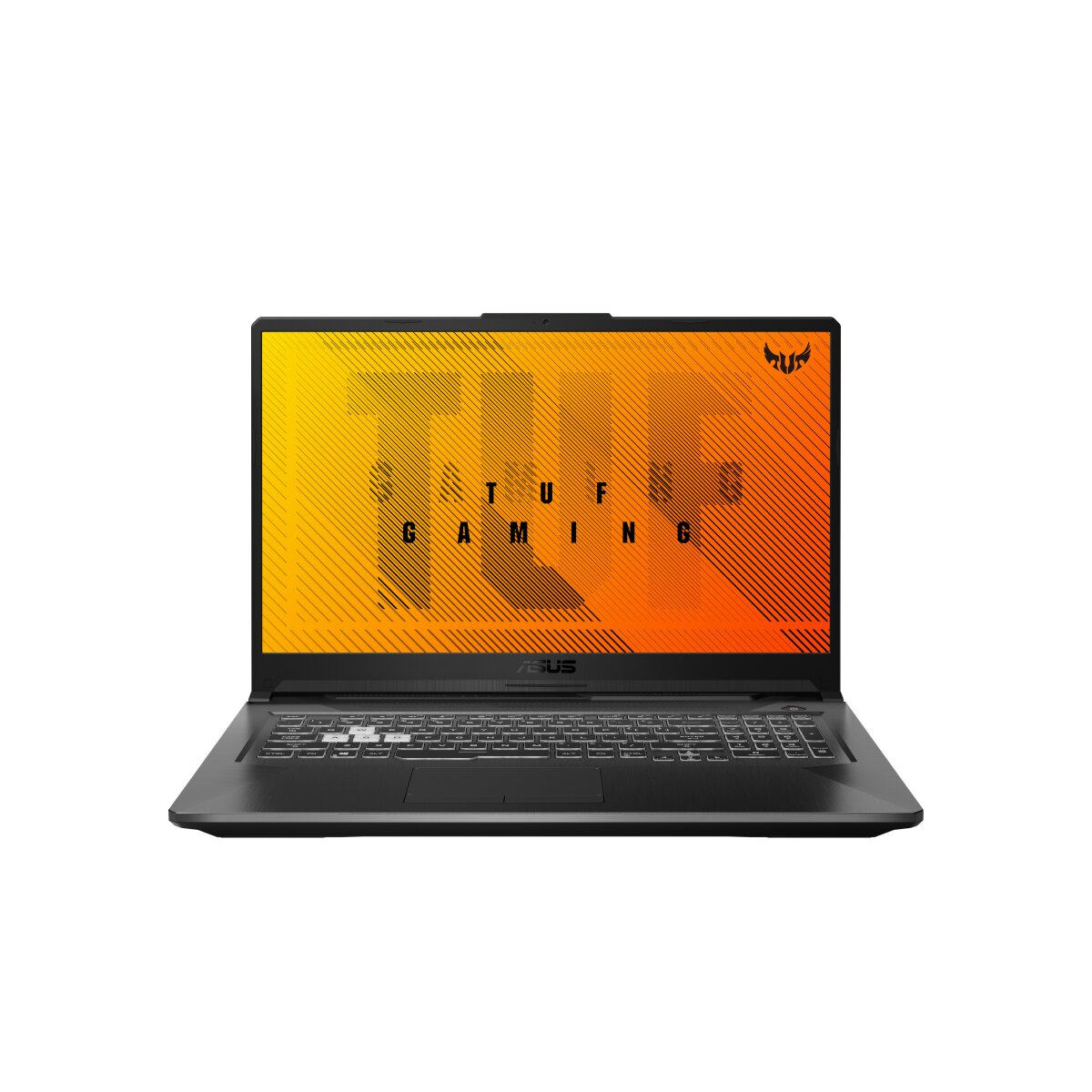
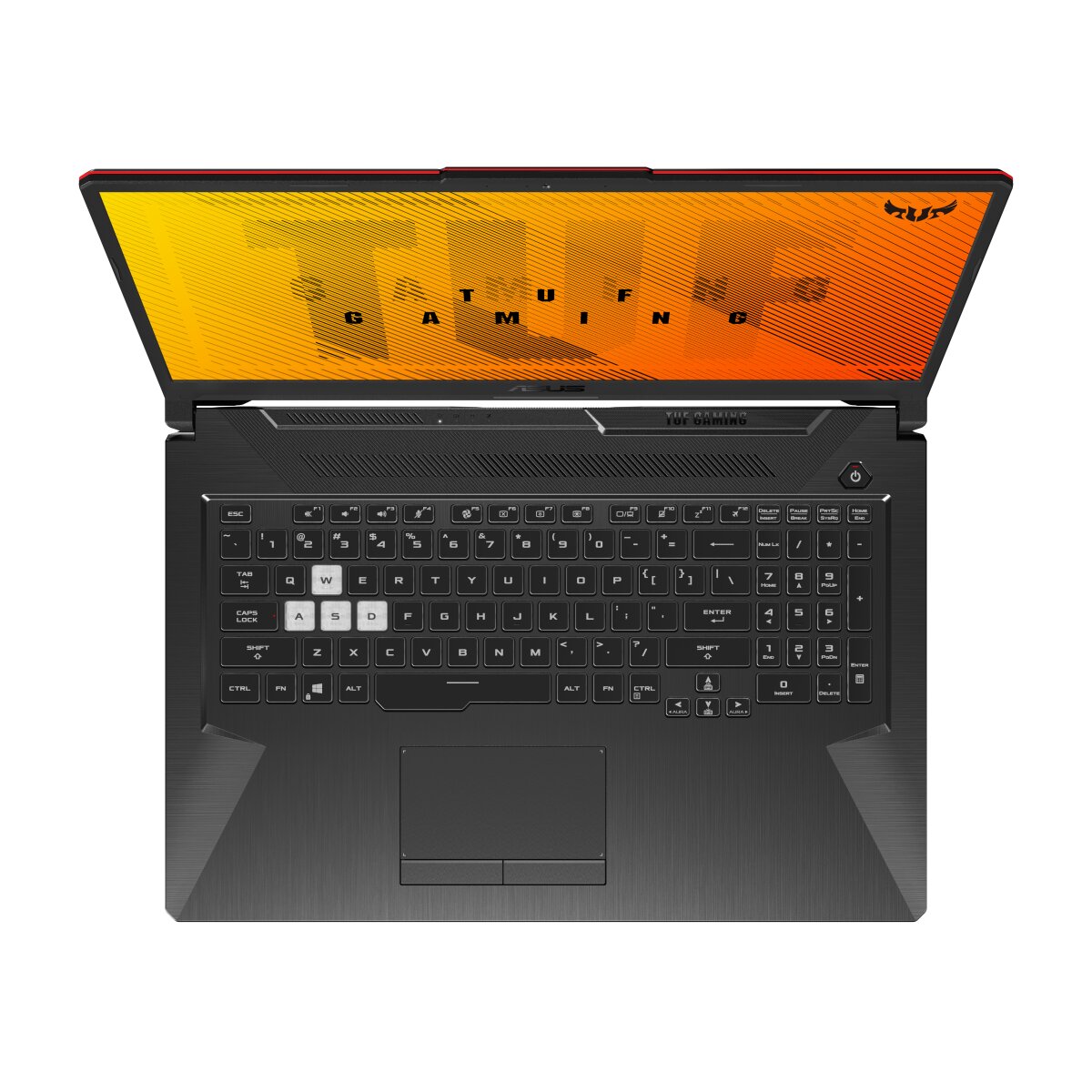
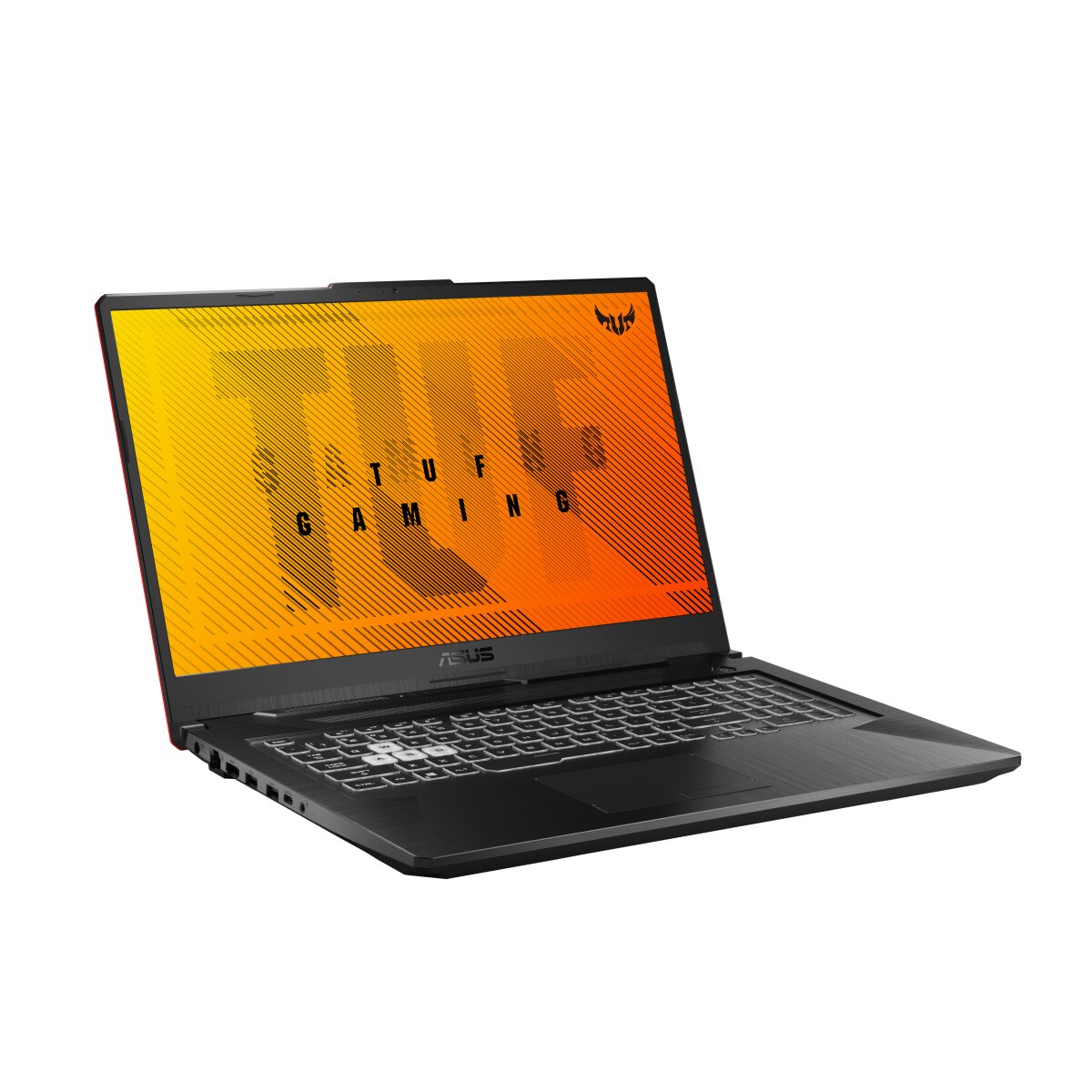
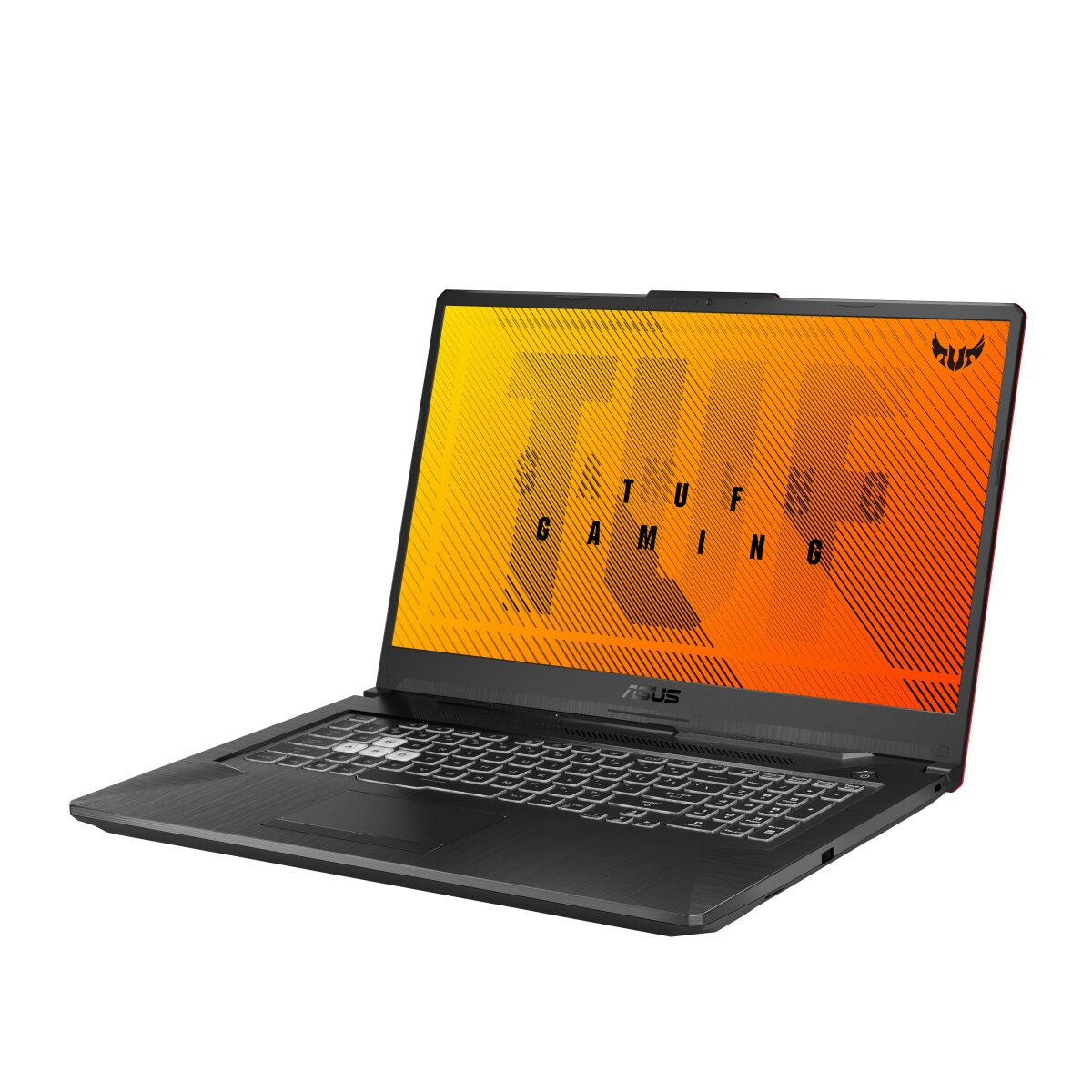
ASUS TUF Gaming FX706IC-HX009T-BE RAM upgrade specifications detail DDR4-SDRAM memory compatibility. The laptop features 2 SO-DIMM slots supporting maximum RAM capacity of 32 GB. Memory operates at 3200 MHz frequency. Compatible upgrades utilize SO-DIMM form factor DDR4 modules. Specifications enable configurations of 16 GB or 32 GB total capacity through dual-slot installation on A17 series FX706IC-HX009T-BE model.
Memory Upgrade Specifications
| Specification | Value |
|---|---|
| Memory slots | 2x SO-DIMM |
| Form factor | SO-DIMM |
| Memory type | DDR4-SDRAM |
| Frequency | 3200 MHz |
| Maximum RAM | 32 GB |
| Voltage | 1.2V |
| Number of pins | 260-pin |
| Interface | PC4 |
| PC Speed Rating | PC4-3200 (PC4-25600) |
| Bandwidth | 25.6 GB/s |
| Laptop Release date | 07 October 2021 |
Additional Notes
- The ASUS TUF Gaming FX706IC-HX009T-BE uses laptop-grade SO-DIMM slots rather than desktop DIMM connectors, restricting upgrades to mobile memory modules that are physically shorter and narrower than standard PC RAM.
- DDR4-3200 MHz operation requires matching frequency modules; installing slower DDR4 variants will downclock all memory to the lowest module speed, reducing system performance across applications and gaming workloads.
- The 2-slot configuration and 32 GB ceiling mean maximum practical upgrade involves removing both existing modules and installing 2x16 GB units, creating a single upgrade path with no hybrid configuration options.
- SO-DIMM memory lacks the heat spreaders common on desktop DDR4, making thermal performance secondary to module compatibility; third-party heatsinks on memory sticks may create physical conflicts with nearby chipset components.
- Migration from stock configuration to maximum capacity requires full module replacement since partial upgrades to single slots will create asymmetrical memory topology, potentially triggering firmware stability issues or voiding dual-channel architecture benefits.
- DDR4 supply chains favor 3200 MHz specifications for gaming laptops, making compatible replacement modules widely available through warranty-neutral third-party vendors without requiring manufacturer parts.