ASUS TUF Gaming FX706IU-H7081T RAM upgrade specifications
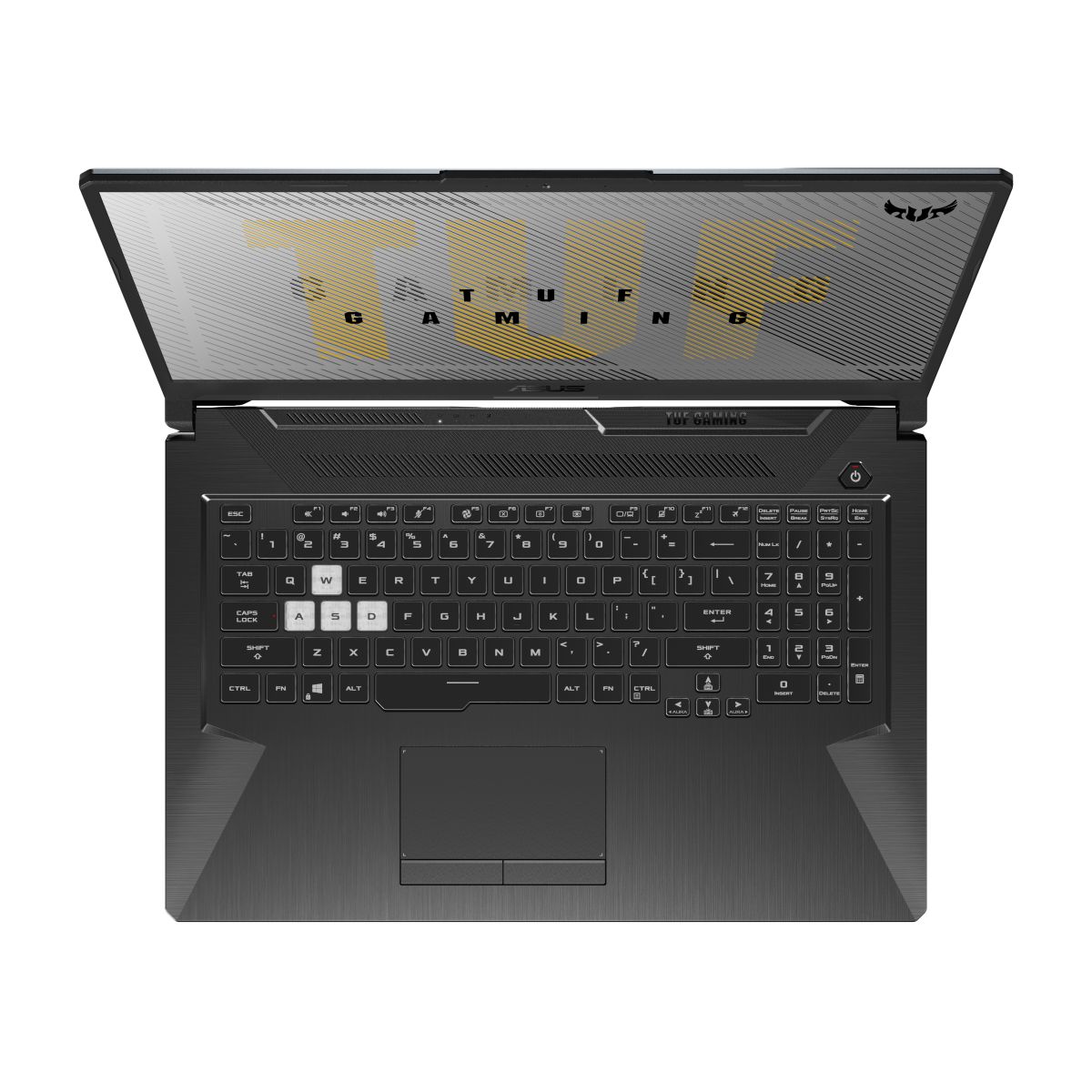

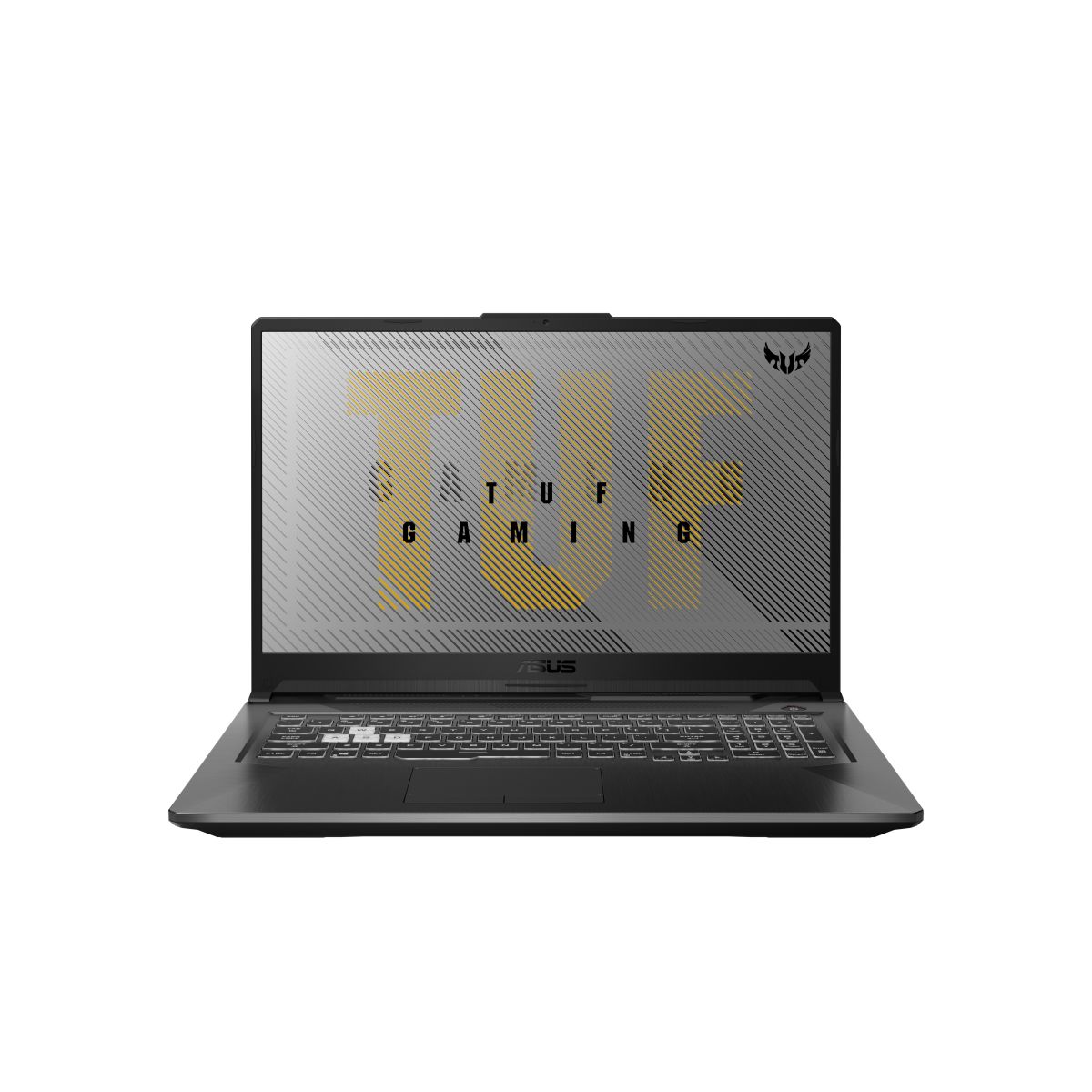
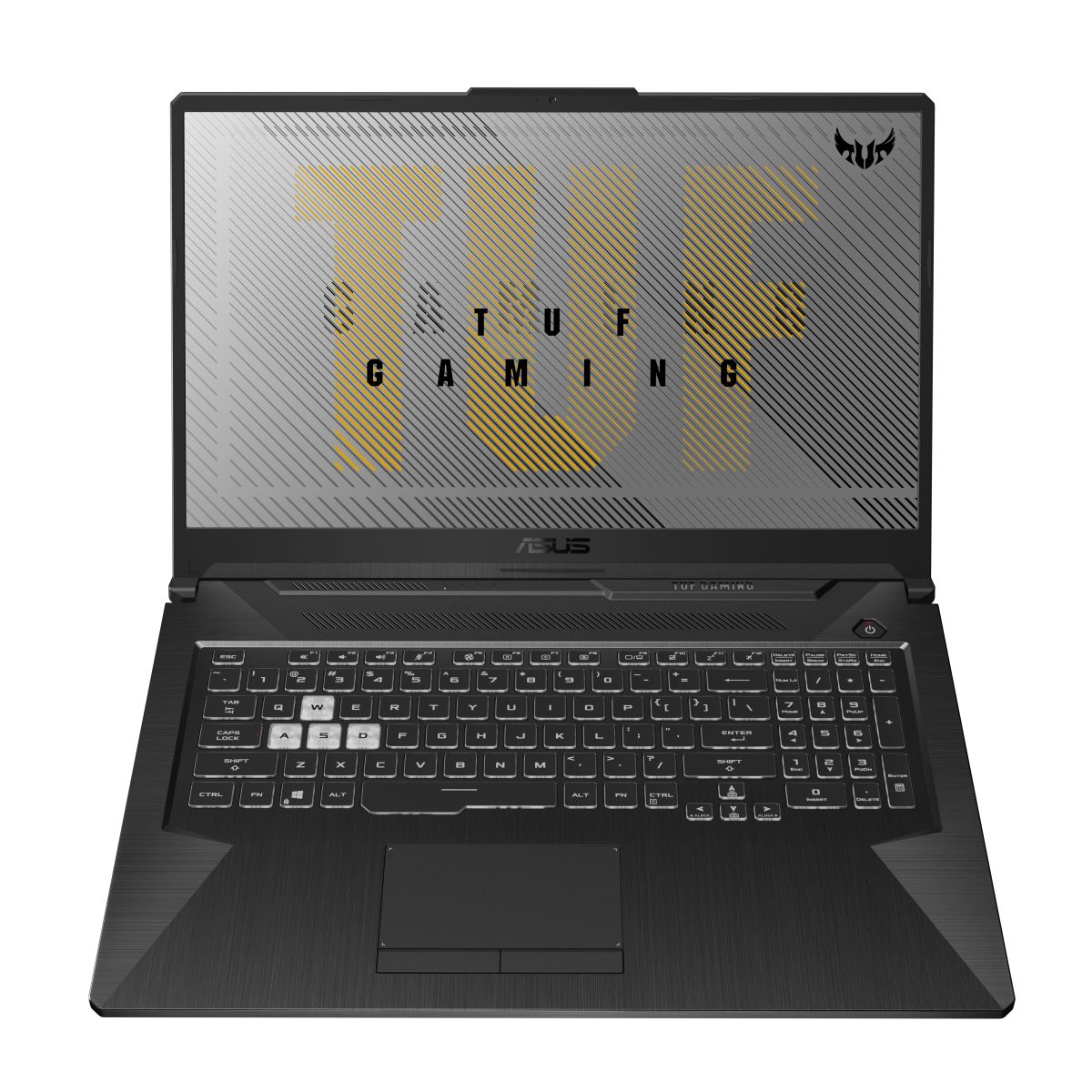

ASUS TUF Gaming FX706IU-H7081T features DDR4-SDRAM memory with two SO-DIMM slots supporting maximum capacity of 32 GB RAM. Compatible upgrades utilize DDR4 technology at 3200 MHz frequency. Specifications indicate support for dual-channel memory configuration with SO-DIMM form factor. Maximum memory upgrade capacity reaches 32 GB total when both slots are populated. The A17 series laptop accommodates standard DDR4 modules meeting specifications for optimal performance and compatibility with the FX706IU-H7081T platform.
Memory Upgrade Specifications
| Specification | Value |
|---|---|
| Memory slots | 2x SO-DIMM |
| Form factor | SO-DIMM |
| Memory type | DDR4-SDRAM |
| Frequency | 3200 MHz |
| Maximum RAM | 32 GB |
| Voltage | 1.2V |
| Number of pins | 260-pin |
| Interface | PC4 |
| PC Speed Rating | PC4-3200 (PC4-25600) |
| Bandwidth | 25.6 GB/s |
| Laptop Release date | 18 March 2020 |
Additional Notes
- The ASUS TUF Gaming FX706IU-H7081T supports DDR4-3200 modules, which operate at a higher bandwidth than DDR4-2666 or DDR4-2933 alternatives, reducing memory latency during CPU-intensive operations.
- The 32 GB ceiling requires installation of two 16 GB modules to reach maximum capacity, as single-module configurations will leave performance potential unused.
- SO-DIMM form factor restricts compatibility to notebook-specific modules, as standard desktop DIMM modules are physically incompatible with the slot design.
- Dual-channel configuration depends on populating both slots with matched modules, as asymmetric pairing or single-stick operation forces the memory controller into single-channel mode.
- Non-standard voltages or XMP-dependent modules may fail POST or revert to JEDEC fallback speeds, as gaming laptops typically lack voltage override options in BIOS.
- Installation requires chassis disassembly from the bottom panel, which may void warranty seals depending on regional service policies.
- Mixing modules with different CAS latencies forces the memory controller to adopt the slower timing profile across both slots, degrading effective throughput.
- The 3200 MHz frequency represents the maximum supported specification, meaning higher-rated modules will downclock to match the chipset limitation.
- ECC memory modules are incompatible with consumer-grade mobile platforms, as the memory controller lacks error-correction circuitry.
- Thermal constraints in compact gaming chassis may cause throttling if high-density modules generate excessive heat during sustained workloads.