ASUS TUF Gaming FX706LI-AU116T RAM upgrade specifications
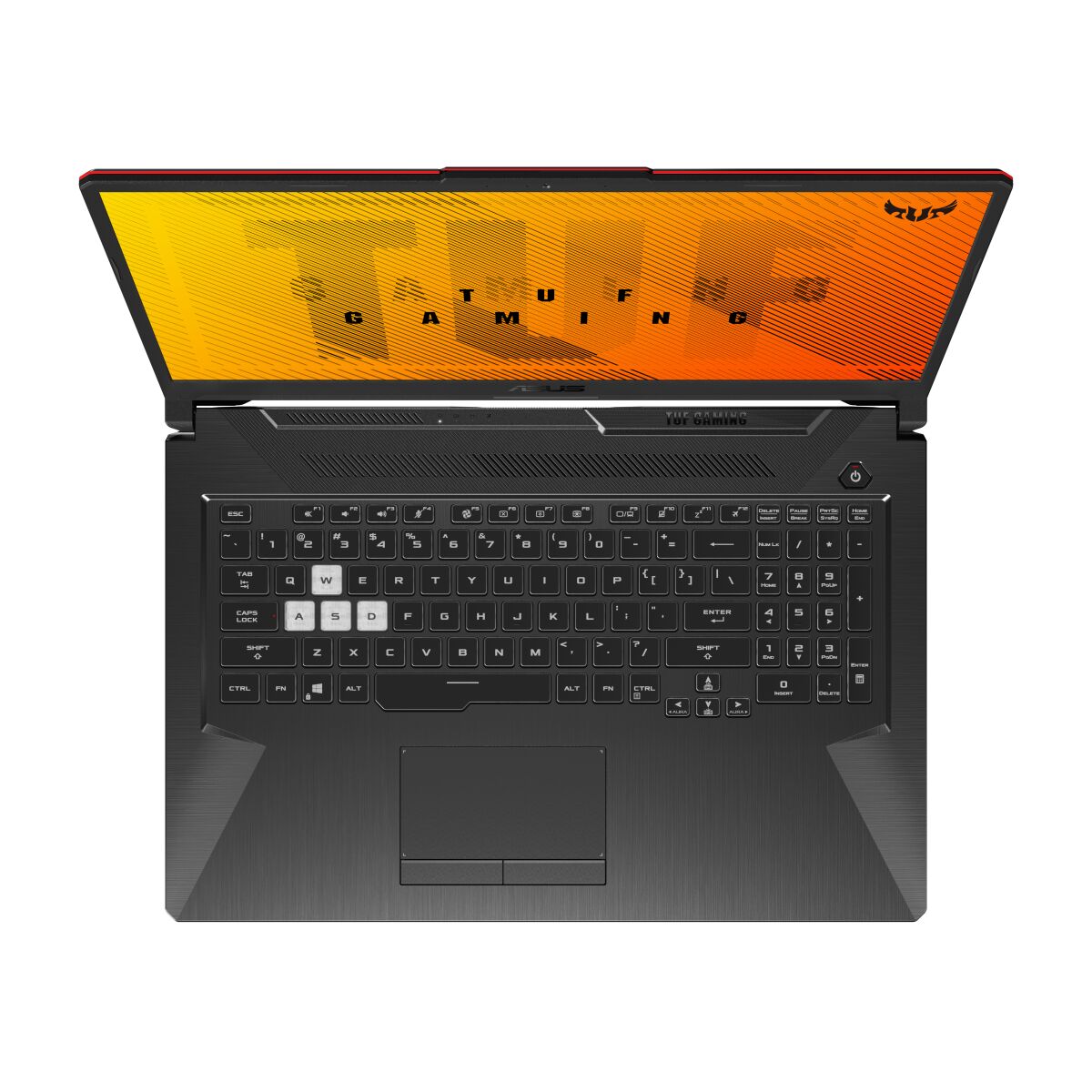

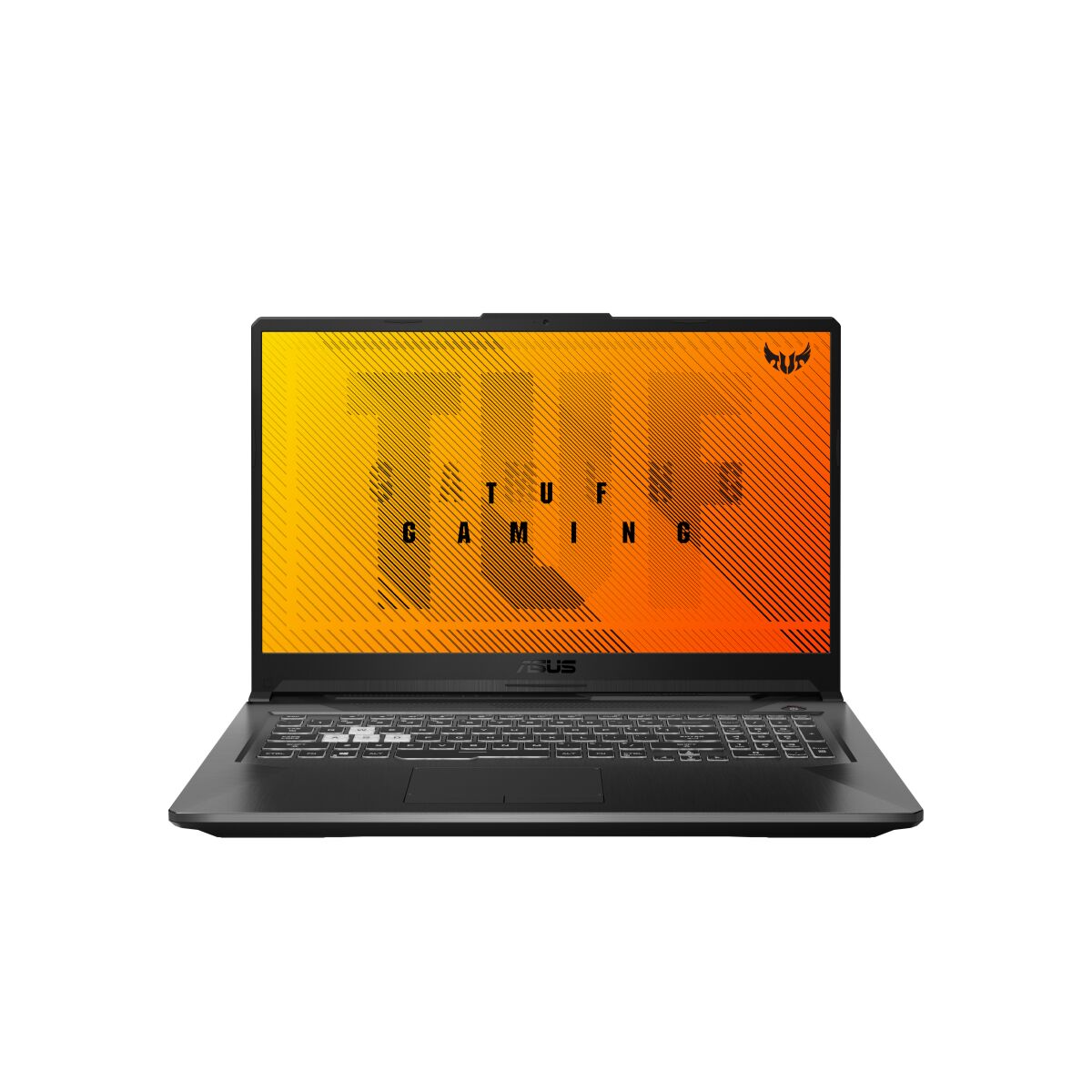
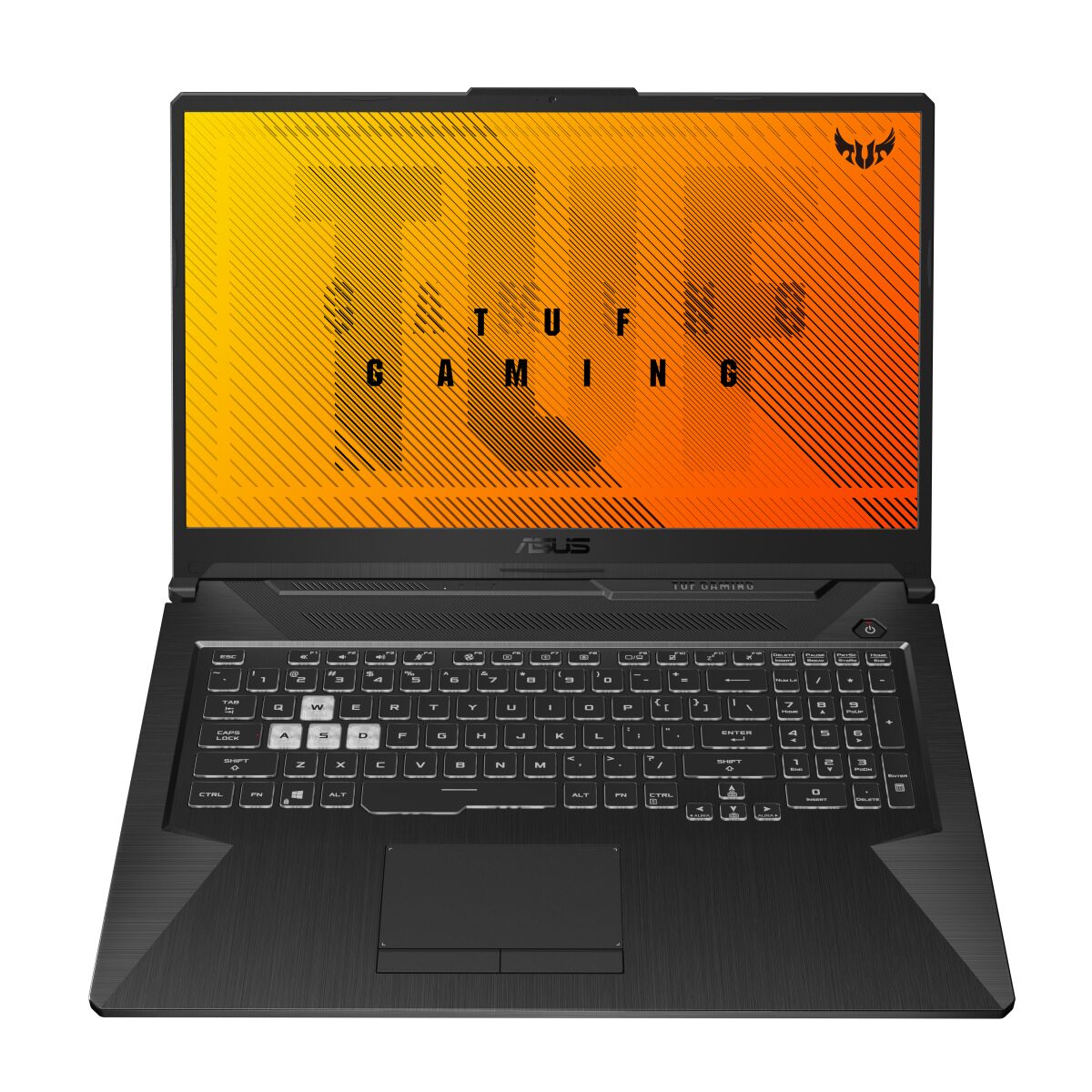
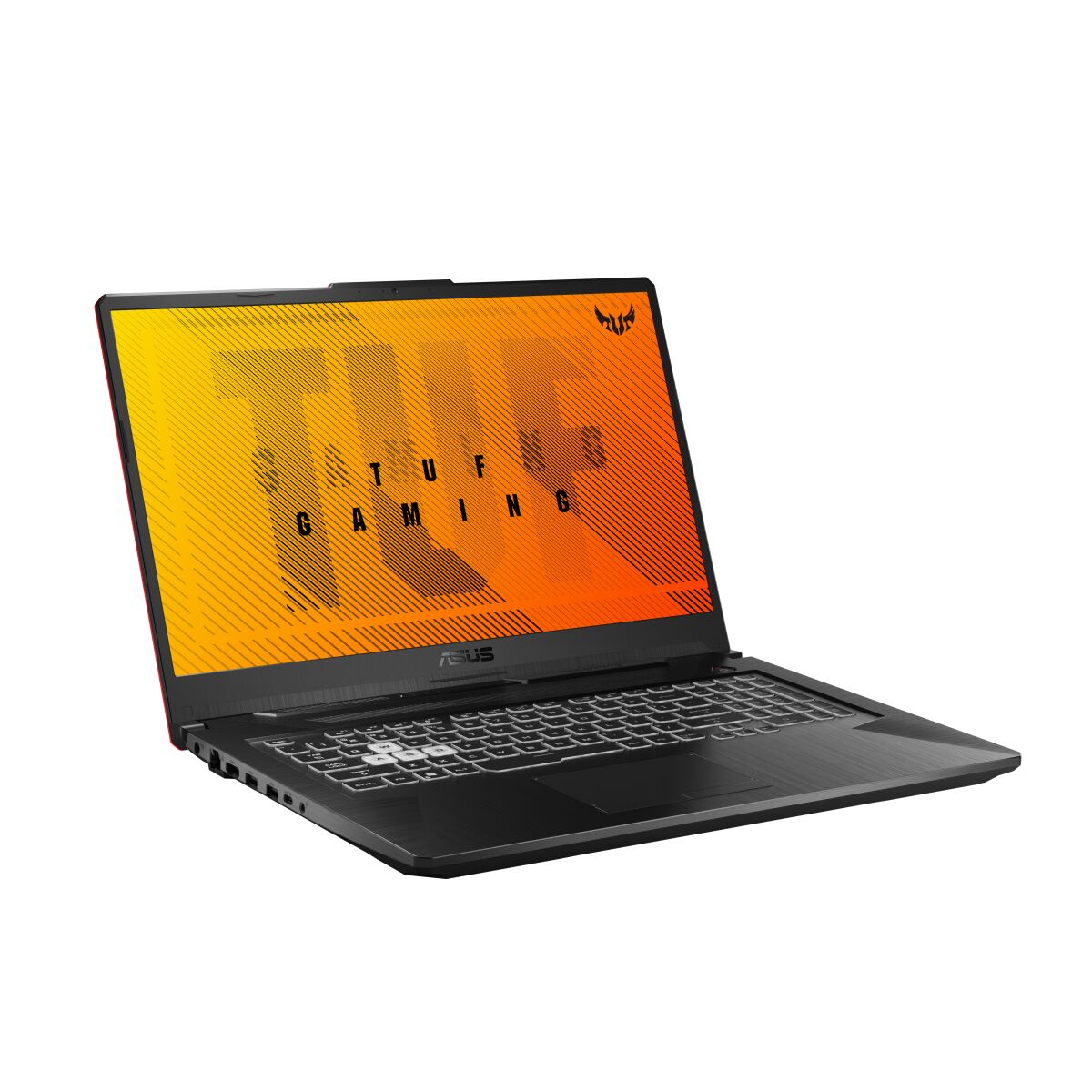
ASUS TUF Gaming FX706LI-AU116T laptop contains 2x SO-DIMM memory slots supporting DDR4-SDRAM upgrade capacity. The gaming notebook accommodates maximum RAM specifications of 32 GB total memory. Compatible DDR4 modules operate at 2933 MHz frequency. Upgrade options utilize SO-DIMM form factor memory modules. The A17 series FX706LI-AU116T supports DDR4-SDRAM specifications for RAM expansion and memory enhancement in dual-slot configurations.
Memory Upgrade Specifications
| Specification | Value |
|---|---|
| Memory slots | 2x SO-DIMM |
| Form factor | SO-DIMM |
| Memory type | DDR4-SDRAM |
| Frequency | 2933 MHz |
| Maximum RAM | 32 GB |
| Voltage | 1.2V |
| Number of pins | 260-pin |
| Interface | PC4 |
| PC Speed Rating | PC4-2933 (PC4-23464) |
| Bandwidth | 23.5 GB/s |
| Laptop Release date | 19 November 2020 |
Additional Notes
- The ASUS TUF Gaming FX706LI-AU116T supports a maximum of 32 GB total memory, indicating that each SO-DIMM slot can accommodate up to 16 GB modules when configured for dual-channel operation.
- Modules exceeding 2933 MHz will automatically downclock to match the chipset's supported frequency, resulting in no performance gain from higher-rated memory.
- Installing a single module will disable dual-channel operation, effectively halving memory bandwidth and potentially reducing performance in memory-intensive applications and gaming scenarios.
- Mixing modules with different speeds will force all installed memory to run at the speed of the slowest module, creating an artificial bottleneck.
- The SO-DIMM form factor requirement eliminates compatibility with standard DIMM modules commonly used in desktop systems, necessitating laptop-specific purchases.
- Both memory slots are typically accessible through a single bottom panel, though accessing them may void warranty seals depending on regional warranty terms.
- Non-matching module capacities will still enable dual-channel mode up to the size of the smallest module, with the remaining capacity reverting to single-channel mode.
- DDR4 voltage standards at this frequency typically operate at 1.2V, while higher-voltage XMP/overclocked modules may not function properly without BIOS support for voltage adjustment.
- The 2933 MHz specification represents the maximum supported JEDEC standard speed, with lower frequency modules (2666 MHz, 2400 MHz) remaining fully compatible but underutilizing available bandwidth.
- Memory configuration changes require complete system shutdown rather than sleep mode to ensure proper module detection and training during POST.