ASUS TUF Gaming FA506NF-HN052-GAMING RAM upgrade specifications



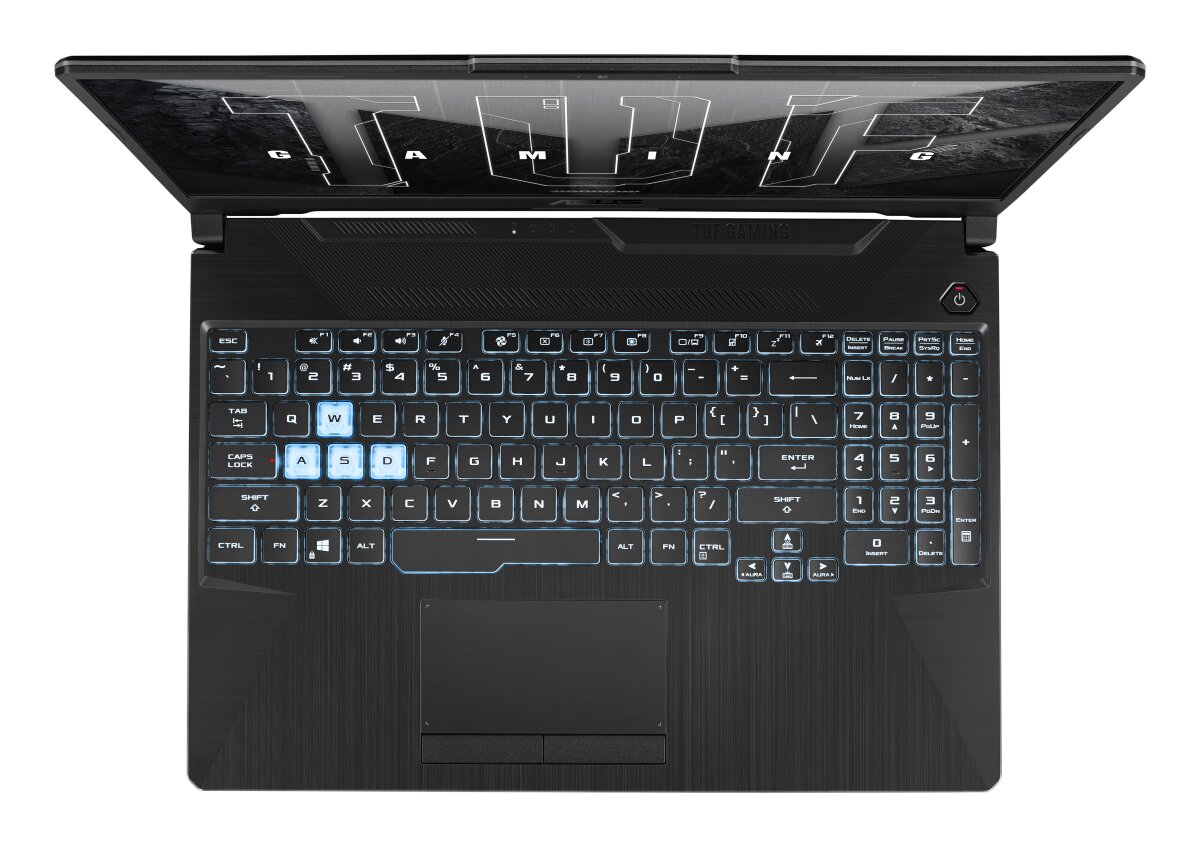

ASUS TUF Gaming F15 series model FA506NF-HN052-GAMING features DDR5-SDRAM memory upgrade specifications with 2x SO-DIMM slots supporting maximum capacity of 32 GB. Compatible memory operates at 5600 MHz frequency using SO-DIMM form factor. Upgrade slots accommodate DDR5 memory modules, providing performance enhancement for gaming and intensive applications on the gaming laptop platform.
Memory Upgrade Specifications
| Specification | Value |
|---|---|
| Memory slots | 2x SO-DIMM |
| Form factor | SO-DIMM |
| Memory type | DDR5-SDRAM |
| Frequency | 5600 MHz |
| Maximum RAM | 32 GB |
| Voltage | 1.1V |
| Number of pins | 262-pin |
| Interface | PC5 |
| PC Speed Rating | PC5-5600 (PC5-44800) |
| Bandwidth | 44.8 GB/s |
Additional Notes
- The DDR5-5600 specification represents the JEDEC base speed for this generation, meaning compatible modules must support at least this frequency to maintain system stability without BIOS intervention.
- DDR4 modules are electrically and physically incompatible with this DDR5-equipped ASUS TUF Gaming FA506NF-HN052-GAMING, as the notch positions and voltage requirements differ between generations.
- The 32 GB maximum capacity constraint limits single-slot configurations to 16 GB modules when planning dual-channel installations.
- Asymmetric memory configurations will disable dual-channel operation, halving theoretical memory bandwidth and potentially impacting integrated graphics performance.
- SO-DIMM modules designed for DDR5-6400 or higher XMP profiles may revert to 5600 MHz base speed if the laptop's BIOS lacks support for higher frequency profiles.
- Installing non-matching module pairs (differing speeds, capacities, or latencies) forces the memory controller to operate both modules at the specifications of the slower component.
- DDR5 modules with on-die ECC will function in this system, though consumer-grade motherboards typically do not report or expose ECC status to the operating system.
- Modules exceeding 1.1V operational voltage may trigger thermal throttling or compatibility issues, as SO-DIMM slots in gaming laptops typically lack active cooling for memory components.
- Warranty preservation requires verifying that the bottom panel removal for memory access does not break manufacturer seals specific to this chassis design.
- The dual-slot configuration allows incremental upgrades, though starting with a single module sacrifices half the available memory bandwidth until the second slot is populated.