ASUS TUF Gaming FX506HC-HN442 RAM upgrade specifications



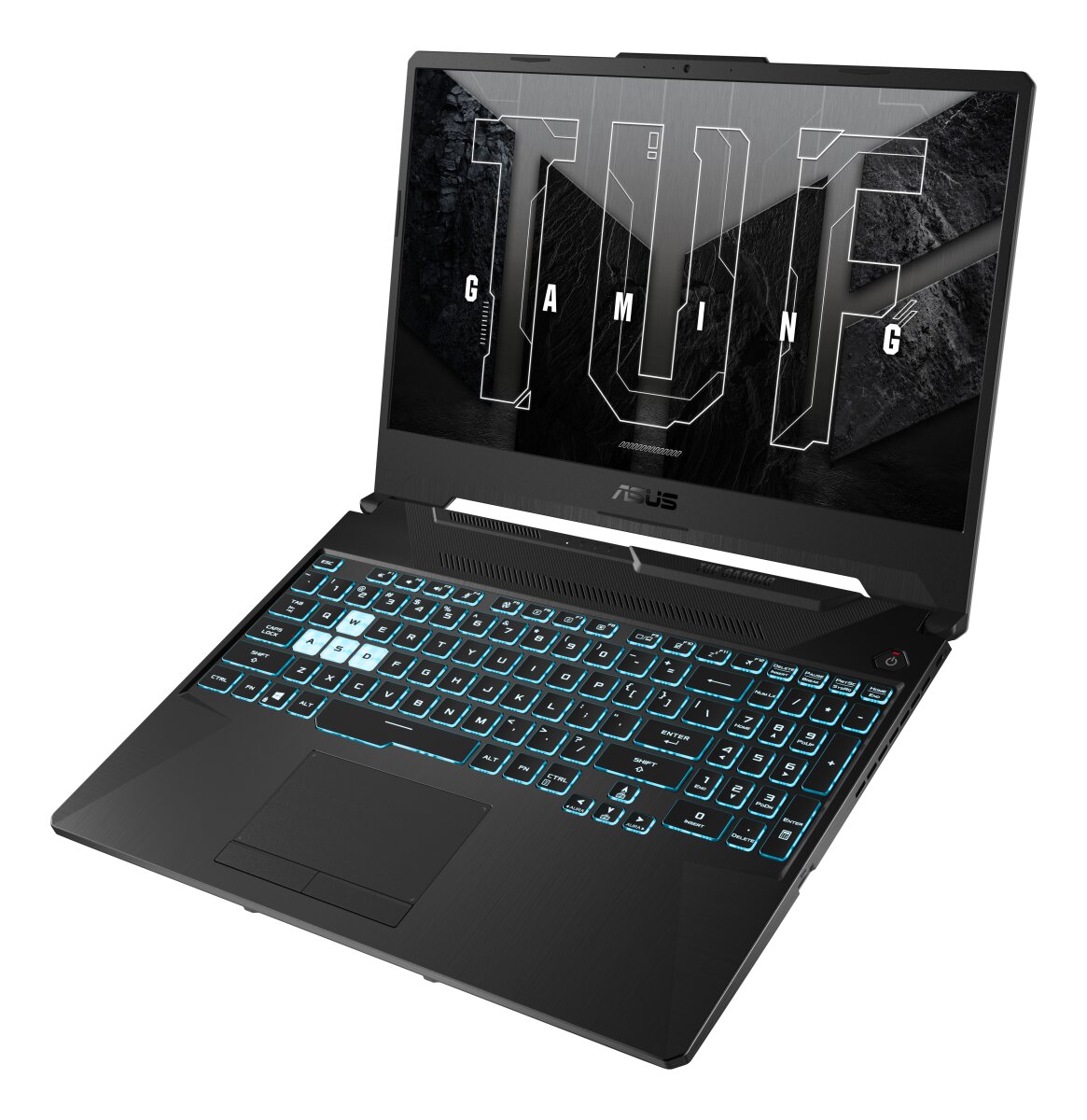

ASUS TUF Gaming F15 FX506HC-HN442 RAM upgrade specifications: DDR4-SDRAM memory with 2x SO-DIMM slots supporting maximum 32 GB capacity. Compatible memory operates at 3200 MHz frequency. SO-DIMM form factor enables RAM upgrade capability for enhanced system performance. Specifications detail the memory upgrade slots and maximum RAM capacity supported by the FX506HC-HN442 model.
Memory Upgrade Specifications
| Specification | Value |
|---|---|
| Memory slots | 2x SO-DIMM |
| Form factor | SO-DIMM |
| Memory type | DDR4-SDRAM |
| Frequency | 3200 MHz |
| Maximum RAM | 32 GB |
| Voltage | 1.2V |
| Number of pins | 260-pin |
| Interface | PC4 |
| PC Speed Rating | PC4-3200 (PC4-25600) |
| Bandwidth | 25.6 GB/s |
Additional Notes
- The ASUS TUF Gaming FX506HC-HN442 supports DDR4-SDRAM modules at 3200 MHz, which establishes a hard ceiling for memory speed; purchasing higher-frequency DDR4 or DDR5 modules will not improve performance and may trigger BIOS compatibility issues.
- With 2 SO-DIMM slots and a 32 GB maximum capacity, symmetric dual-channel configurations (16 GB + 16 GB) will deliver optimal memory bandwidth for gaming and workloads, whereas single-slot or mismatched configurations reduce effective throughput by approximately 50 percent.
- SO-DIMM form factor restricts upgrade options to laptop-grade modules only; desktop DDR4 DIMM sticks cannot physically insert into these slots, eliminating access to potentially lower-cost memory alternatives.
- The 2-slot architecture means maximum capacity requires complete replacement of both modules rather than incremental expansion; retaining a single existing module while adding a second creates potential latency penalties if clock speeds or latencies differ between manufacturers or production batches.
- DDR4-3200 modules are mature and commodity-priced as of 2024, but availability will progressively decline as DDR5 inventory expands in retail channels; procurement delays may occur if upgrades are deferred beyond 24 months.
- Factory memory configurations often use cost-optimized binning with higher latencies; replacing OEM modules with tier-1 manufacturer DDR4-3200 (CAS latency 16 or lower) can reduce frame-time variance in gaming scenarios by 5-12 milliseconds despite identical frequency specifications.