ASUS TUF Gaming FX506HC-HN457 RAM upgrade specifications



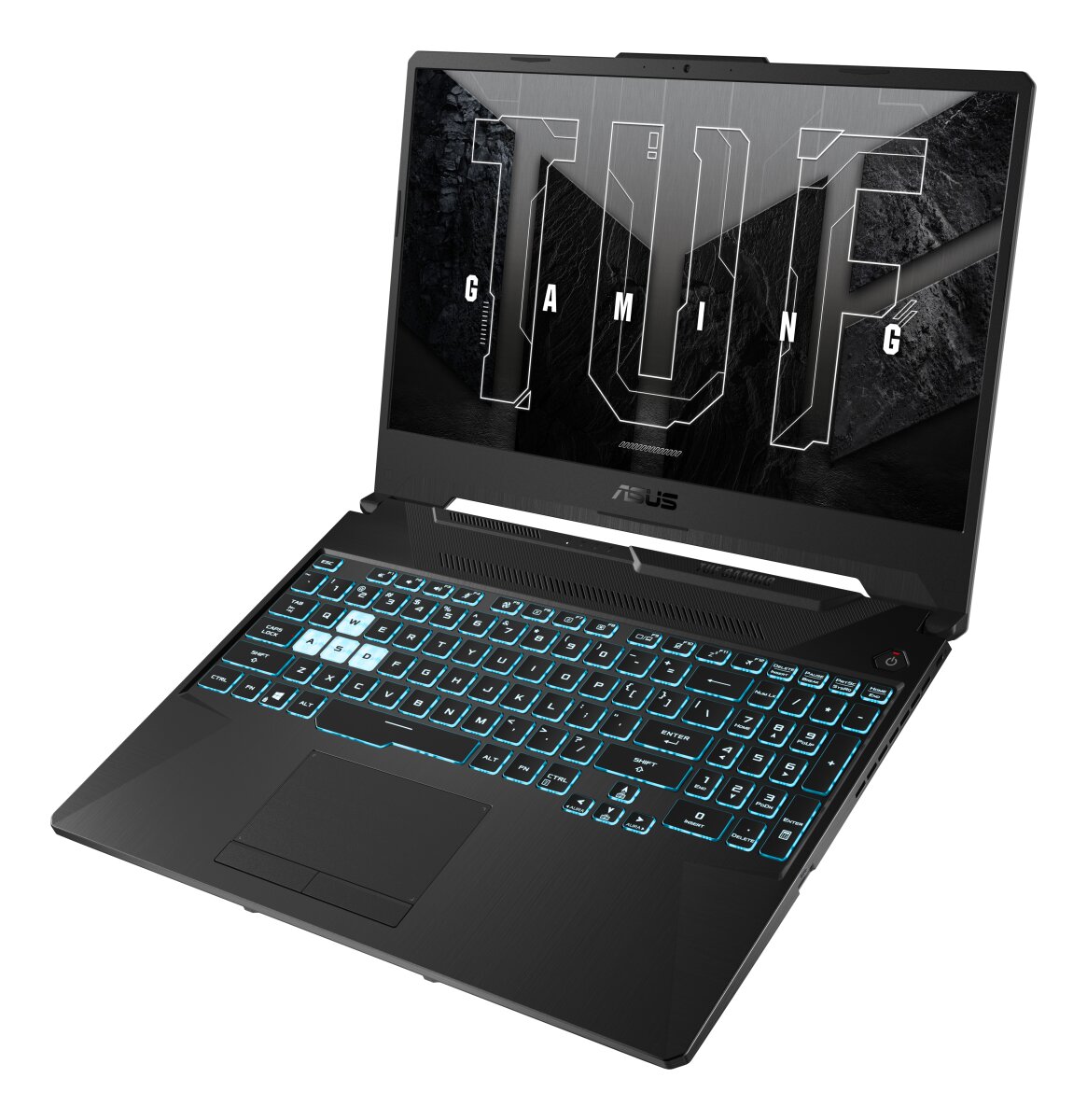
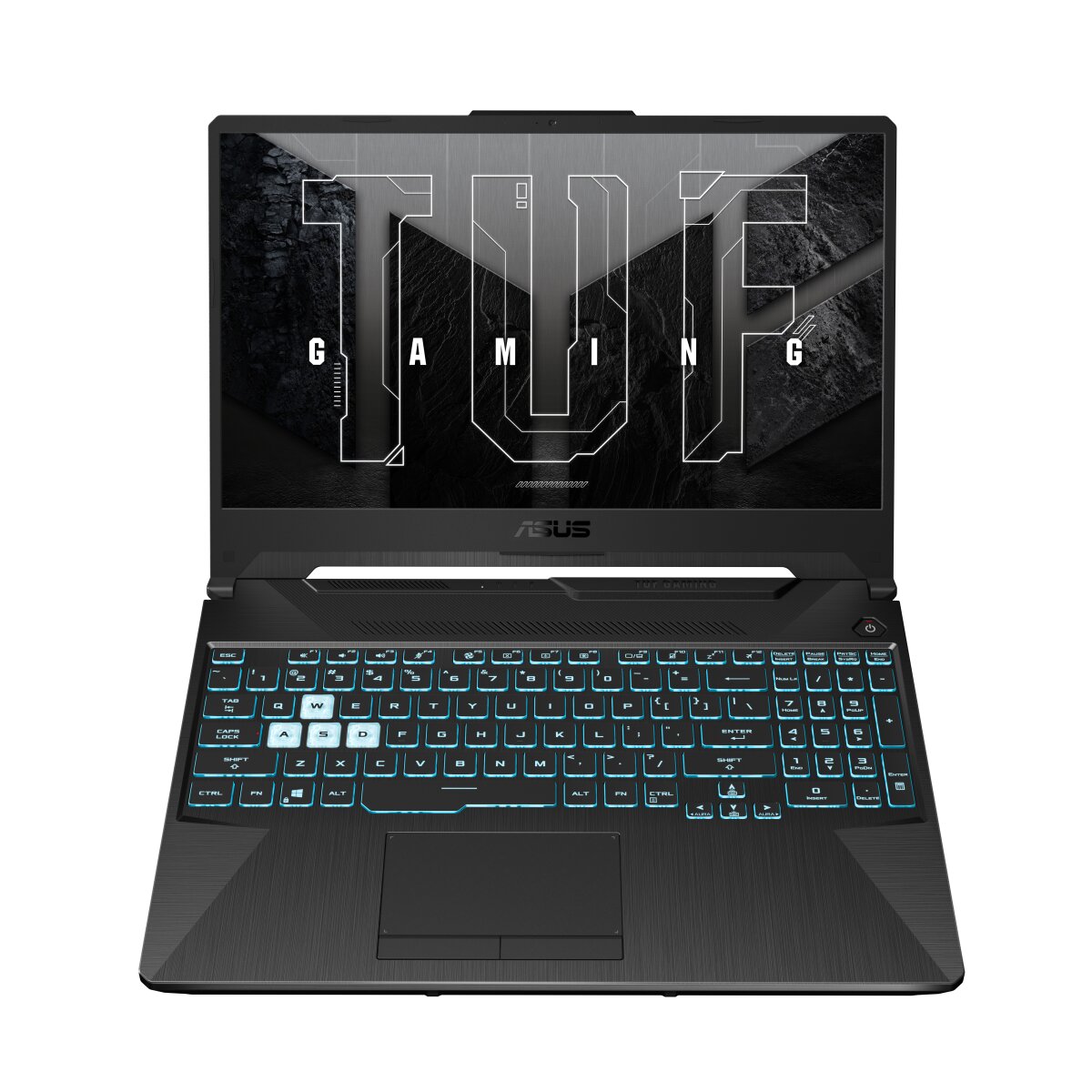
ASUS TUF Gaming F15 FX506HC-HN457 RAM upgrade specifications include DDR4-SDRAM memory compatible with 2x SO-DIMM slots. Maximum RAM capacity reaches 32 GB total, with compatible modules operating at 3200 MHz frequency. The SO-DIMM form factor enables memory upgrades on the FX506HC-HN457 model. Current specifications and maximum supported capacity are provided for reference regarding RAM upgrade compatibility and available memory slots.
Memory Upgrade Specifications
| Specification | Value |
|---|---|
| Memory slots | 2x SO-DIMM |
| Form factor | SO-DIMM |
| Memory type | DDR4-SDRAM |
| Frequency | 3200 MHz |
| Maximum RAM | 32 GB |
| Voltage | 1.2V |
| Number of pins | 260-pin |
| Interface | PC4 |
| PC Speed Rating | PC4-3200 (PC4-25600) |
| Bandwidth | 25.6 GB/s |
Additional Notes
- The ASUS TUF Gaming FX506HC-HN457 requires SO-DIMM modules rather than standard desktop DIMMs, which limits upgrade options to laptop-specific memory modules that are typically more expensive per gigabyte.
- DDR4-3200 represents the maximum officially supported frequency, meaning faster modules will downclock to 3200 MHz regardless of their rated speed, offering no performance benefit over native 3200 MHz modules.
- The 32 GB maximum capacity indicates chipset-level restrictions, preventing the use of higher-density modules even if physically compatible SO-DIMMs exist in larger capacities.
- Both memory slots being SO-DIMM type allows dual-channel operation when populated with matched pairs, delivering approximately twice the memory bandwidth compared to single-channel configurations.
- The DDR4 specification precludes compatibility with DDR5 modules due to different notch positions and voltage requirements, requiring complete adherence to DDR4 standards for any upgrade.
- Accessing both SO-DIMM slots likely requires bottom panel removal, potentially voiding warranty seals depending on regional regulations and manufacturer policies regarding user-serviceable components.
- Memory operating at 3200 MHz under JEDEC standards typically runs at 1.2V, though some modules may require XMP profiles that could face compatibility issues with laptop BIOS implementations.
- The 2-slot configuration offers no expansion headroom beyond the initial installation, meaning capacity planning must account for future needs since adding a third module is physically impossible.
- Mixing different memory capacities or timings between the 2 slots may force the system to operate at the lowest common specifications, potentially degrading performance below optimal levels.
- SO-DIMM thermal characteristics differ from desktop modules, with heat dissipation relying on chassis airflow rather than dedicated heat spreaders, potentially affecting stability under sustained workloads.