ASUS TUF Gaming FX506HCB-HN1138T RAM upgrade specifications


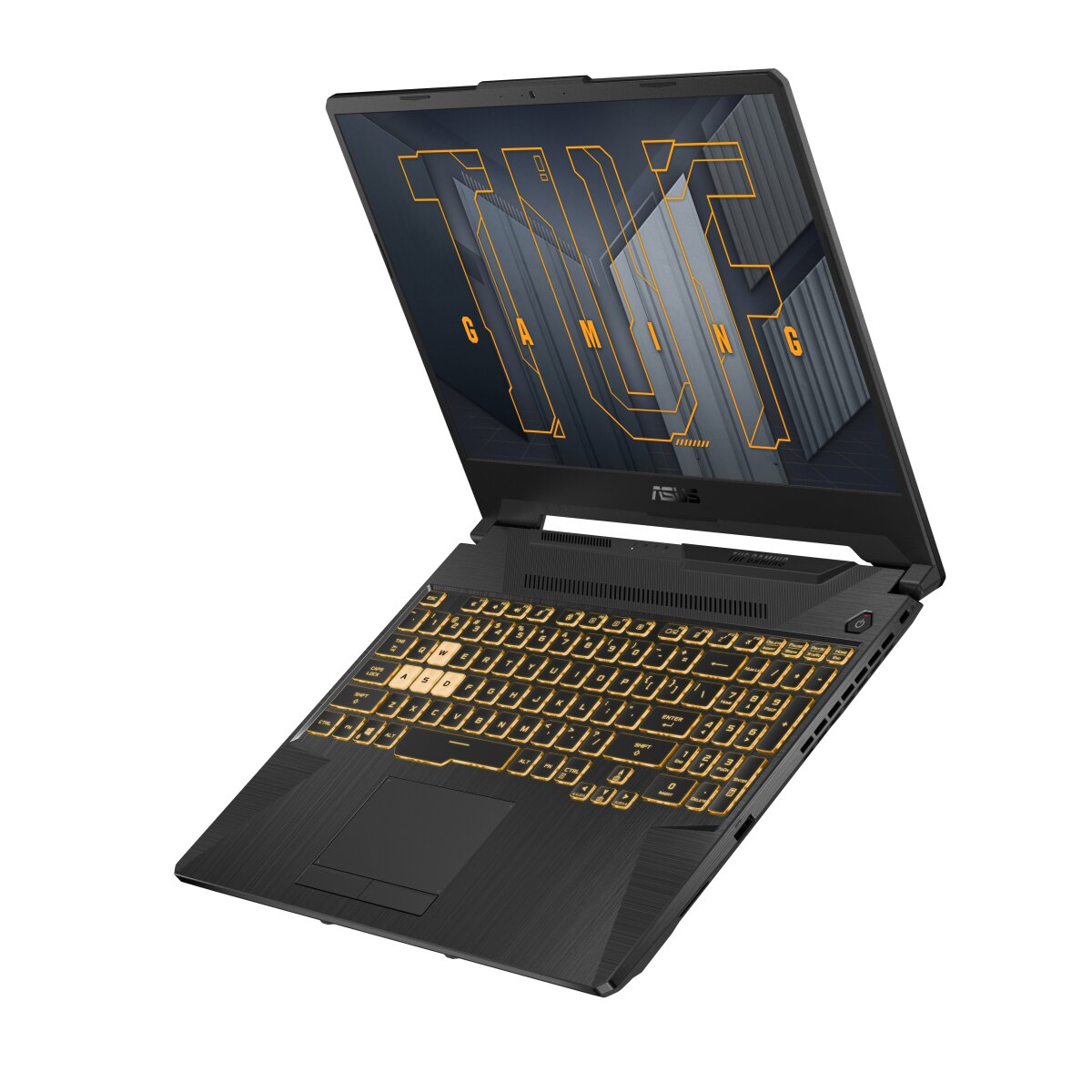
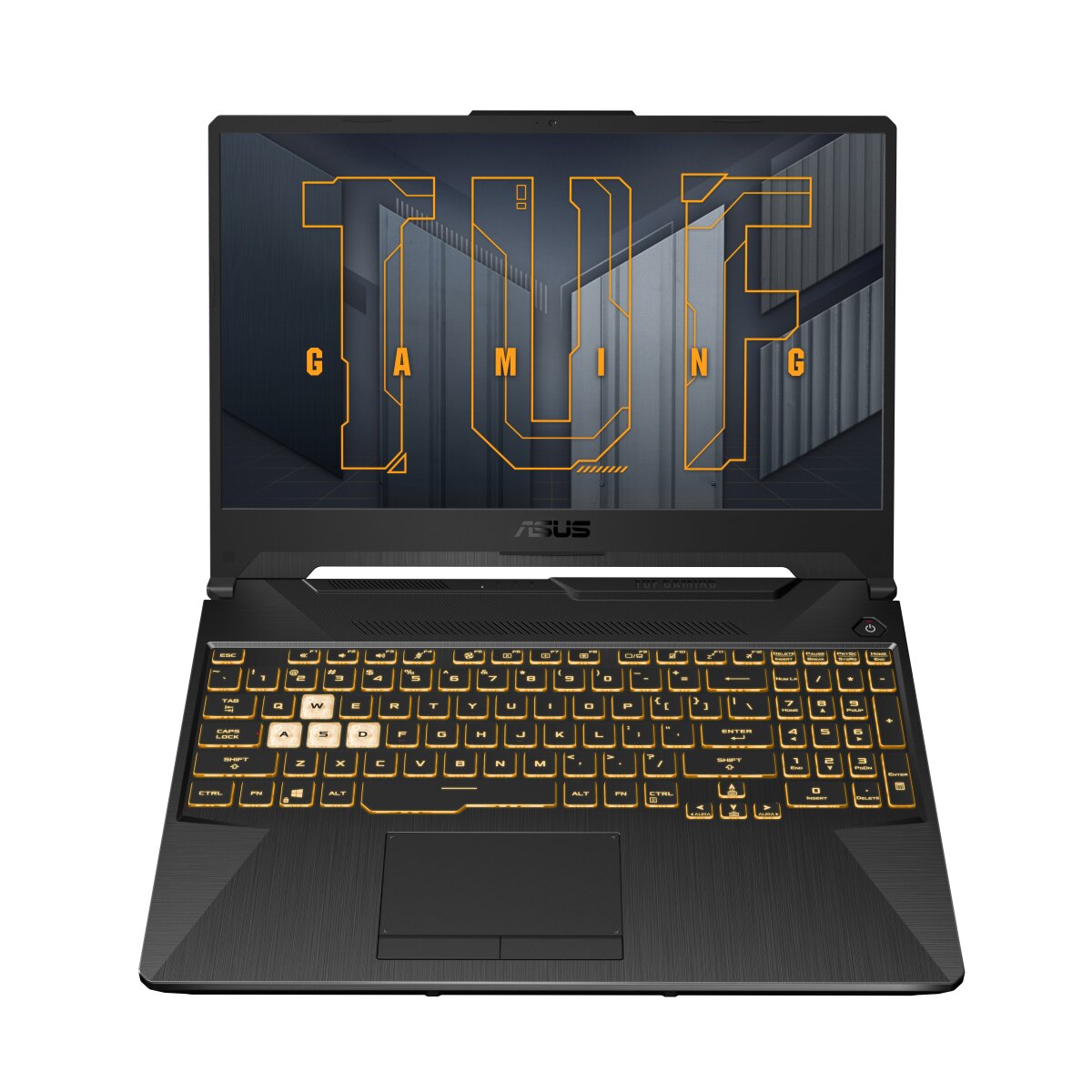
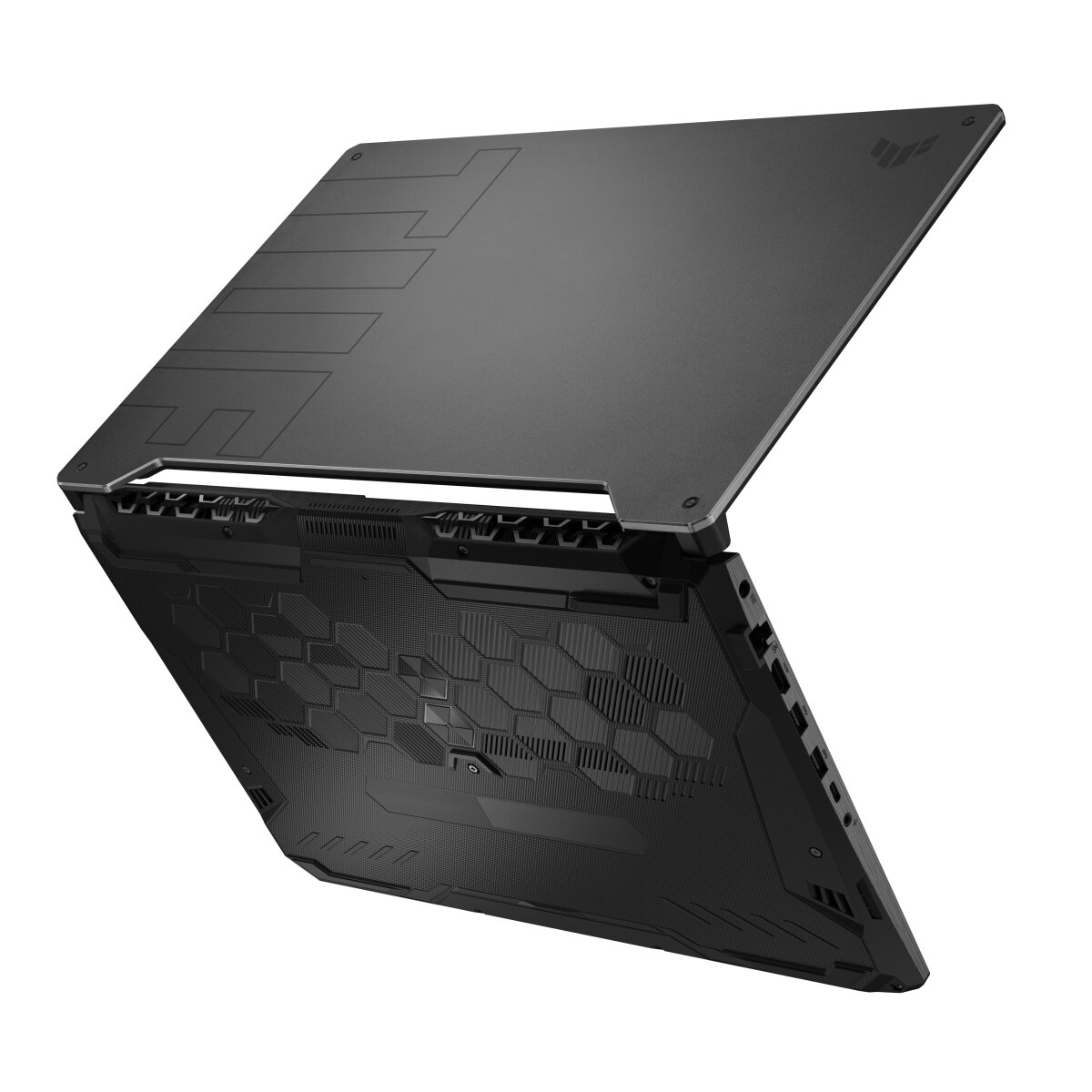
ASUS TUF Gaming F15 FX506HCB-HN1138T laptop features two SO-DIMM slots for DDR4-SDRAM memory upgrade. Maximum supported RAM capacity reaches 32 GB total, with compatible specifications of DDR4-3200 MHz frequency. Current memory configuration and upgrade options enable expansion of system RAM to enhance multitasking performance. SO-DIMM form factor slots accommodate standard laptop memory modules. Specifications support compatible DDR4 memory upgrades within maximum capacity constraints.
Memory Upgrade Specifications
| Specification | Value |
|---|---|
| Memory slots | 2x SO-DIMM |
| Form factor | SO-DIMM |
| Memory type | DDR4-SDRAM |
| Frequency | 3200 MHz |
| Maximum RAM | 32 GB |
| Voltage | 1.2V |
| Number of pins | 260-pin |
| Interface | PC4 |
| PC Speed Rating | PC4-3200 (PC4-25600) |
| Bandwidth | 25.6 GB/s |
| Laptop Release date | 04 November 2021 |
Additional Notes
- The ASUS TUF Gaming FX506HCB-HN1138T uses laptop-class SO-DIMM slots rather than full-size DIMM connectors, restricting upgrade options to mobile memory modules and eliminating desktop RAM compatibility entirely.
- DDR4-3200 represents a mid-tier frequency band; newer DDR4-3600 modules will operate at reduced speeds when installed, creating minor performance variance in memory-intensive workloads but no functional incompatibility.
- The 2-slot configuration with a 32 GB ceiling means maximum expandable capacity totals 32 GB rather than scaling further; single-slot upgrades cannot exceed this platform limit regardless of module density increases.
- Populating both SO-DIMM slots with matched pairs maintains dual-channel architecture; single-module installations force single-channel operation and reduce memory bandwidth by approximately 50 percent.
- SO-DIMM modules occupy minimal physical space; installation clearance constraints typically exist only if large tower coolers protrude into the memory bay area near the keyboard.
- DDR4 memory remains widely manufactured but is transitioning to legacy status as DDR5 becomes standard; sourcing identical capacity and frequency modules for future replacement may become progressively more difficult after 2026.
- Warranty implications: most manufacturers permit user-performed RAM upgrades without voiding coverage, though module installation should follow factory documentation to prevent socket damage that could trigger exclusion clauses.