ASUS TUF Gaming FX506HCB-HN1319 RAM upgrade specifications


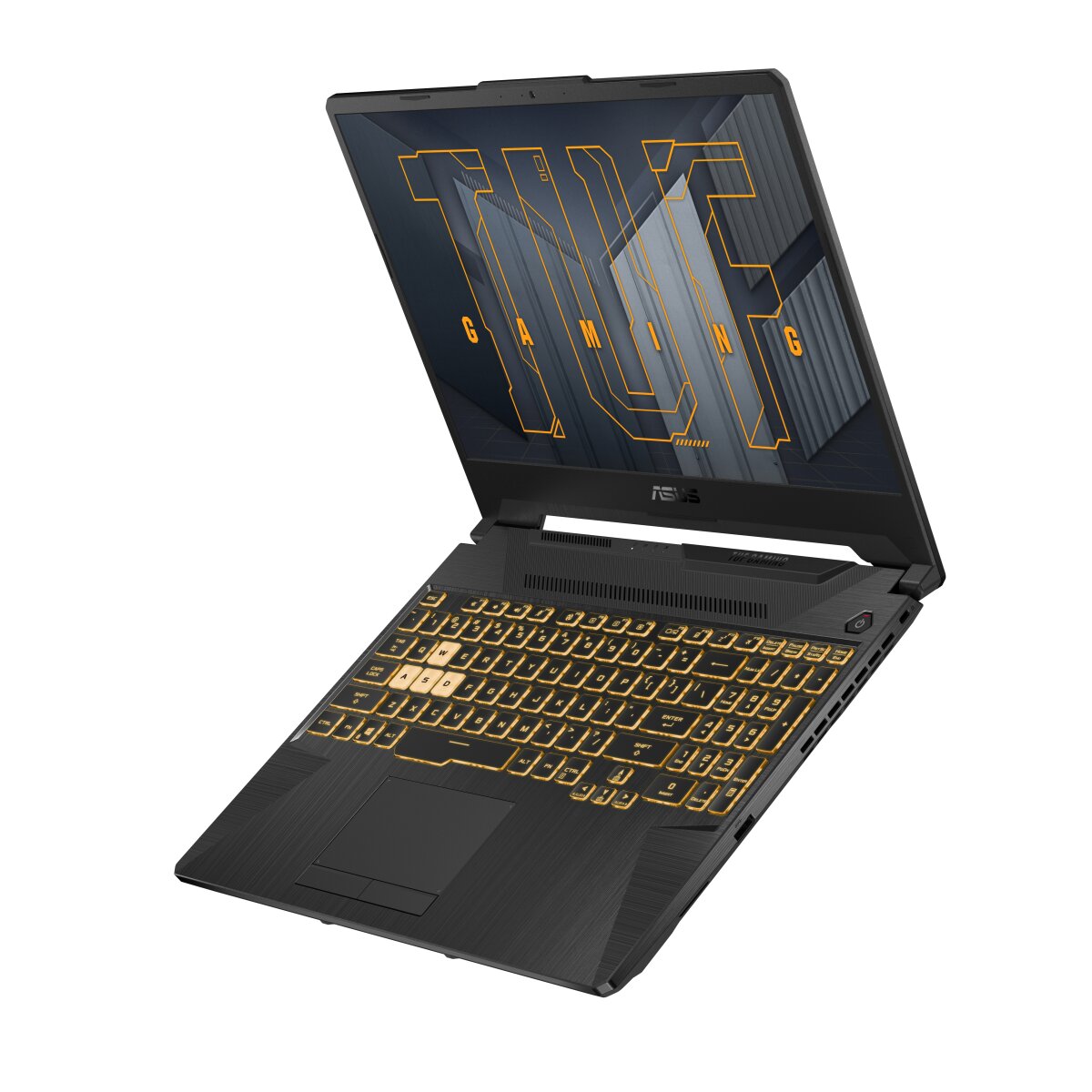

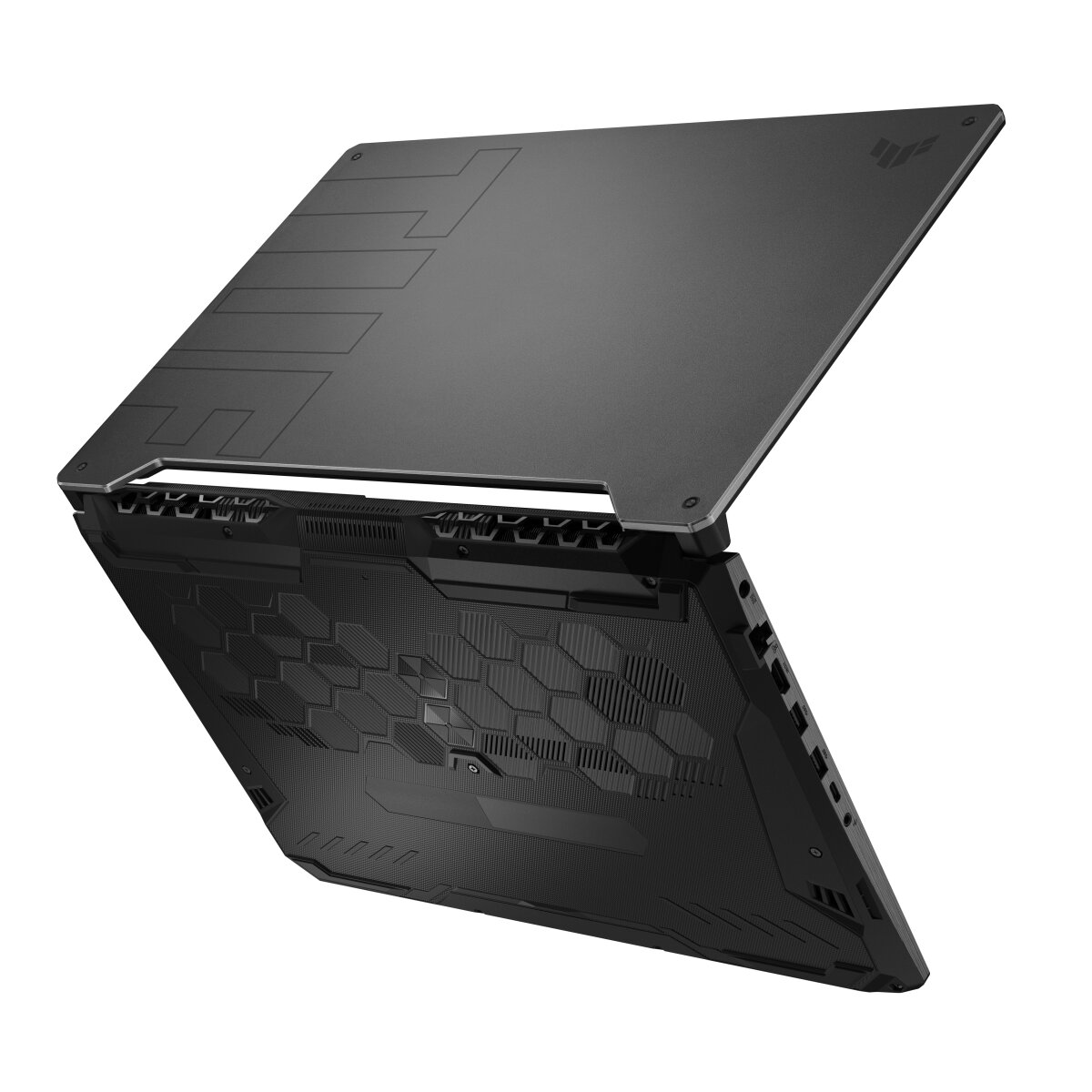
The ASUS TUF Gaming F15 FX506HCB-HN1319 features DDR4-SDRAM memory with two SO-DIMM slots supporting up to 32 GB maximum capacity. The laptop is compatible with DDR4 modules operating at 3200 MHz frequency. Each slot accepts standard SO-DIMM form factor RAM, allowing users to upgrade the memory configuration for enhanced multitasking and application performance on this gaming-focused laptop model.
Memory Upgrade Specifications
| Specification | Value |
|---|---|
| Memory slots | 2x SO-DIMM |
| Form factor | SO-DIMM |
| Memory type | DDR4-SDRAM |
| Frequency | 3200 MHz |
| Maximum RAM | 32 GB |
| Voltage | 1.2V |
| Number of pins | 260-pin |
| Interface | PC4 |
| PC Speed Rating | PC4-3200 (PC4-25600) |
| Bandwidth | 25.6 GB/s |
| Laptop Release date | 19 December 2021 |
Additional Notes
- The ASUS TUF Gaming FX506HCB-HN1319 uses SO-DIMM form factor memory, which requires laptop-specific modules rather than desktop DDR4 variants, limiting supplier options and potentially increasing per-gigabyte costs relative to full-size DIMM equivalents.
- DDR4-3200 MHz frequency represents a mid-range specification for this architecture generation; memory upgrades faster than 3200 MHz will downclock to native 3200 MHz support, rendering premium pricing for higher-frequency modules economically inefficient.
- The 2-slot SO-DIMM configuration with 32 GB maximum capacity indicates the memory controller supports dual-rank modules; asymmetrical configurations (mismatched capacities or speeds across slots) may trigger performance penalties due to fallback to the slower module's specifications across both channels.
- Single-channel operation occurs if only 1 slot is populated, reducing memory bandwidth by approximately 50% compared to dual-channel operation; this creates a measurable performance bottleneck for graphics-intensive or data-streaming workflows typical of gaming scenarios.
- SO-DIMM slot access typically requires keyboard removal and may void warranty coverage if not performed by authorized technicians; third-party memory installation voids hardware protection on many ASUS models unless the upgrade falls within manufacturer-approved specifications.
- DDR4-SDRAM technology reaches end-of-life status within 24-36 months; future replacements will face declining new-stock availability and potential incompatibility with successor laptop generations, which increasingly transition to DDR5 or proprietary integrated memory configurations.