ASUS TUF Gaming FX506HCB-HN143W RAM upgrade specifications


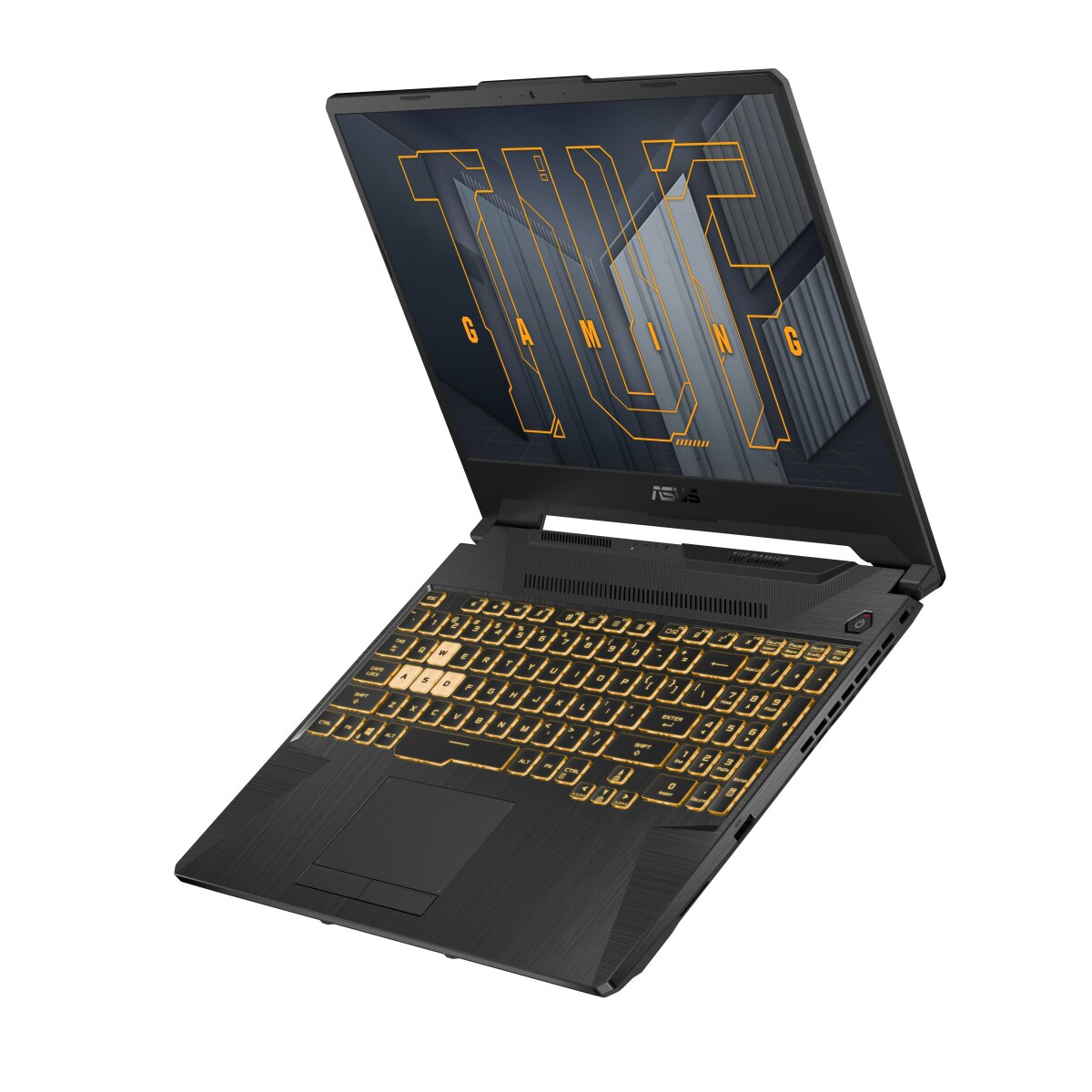

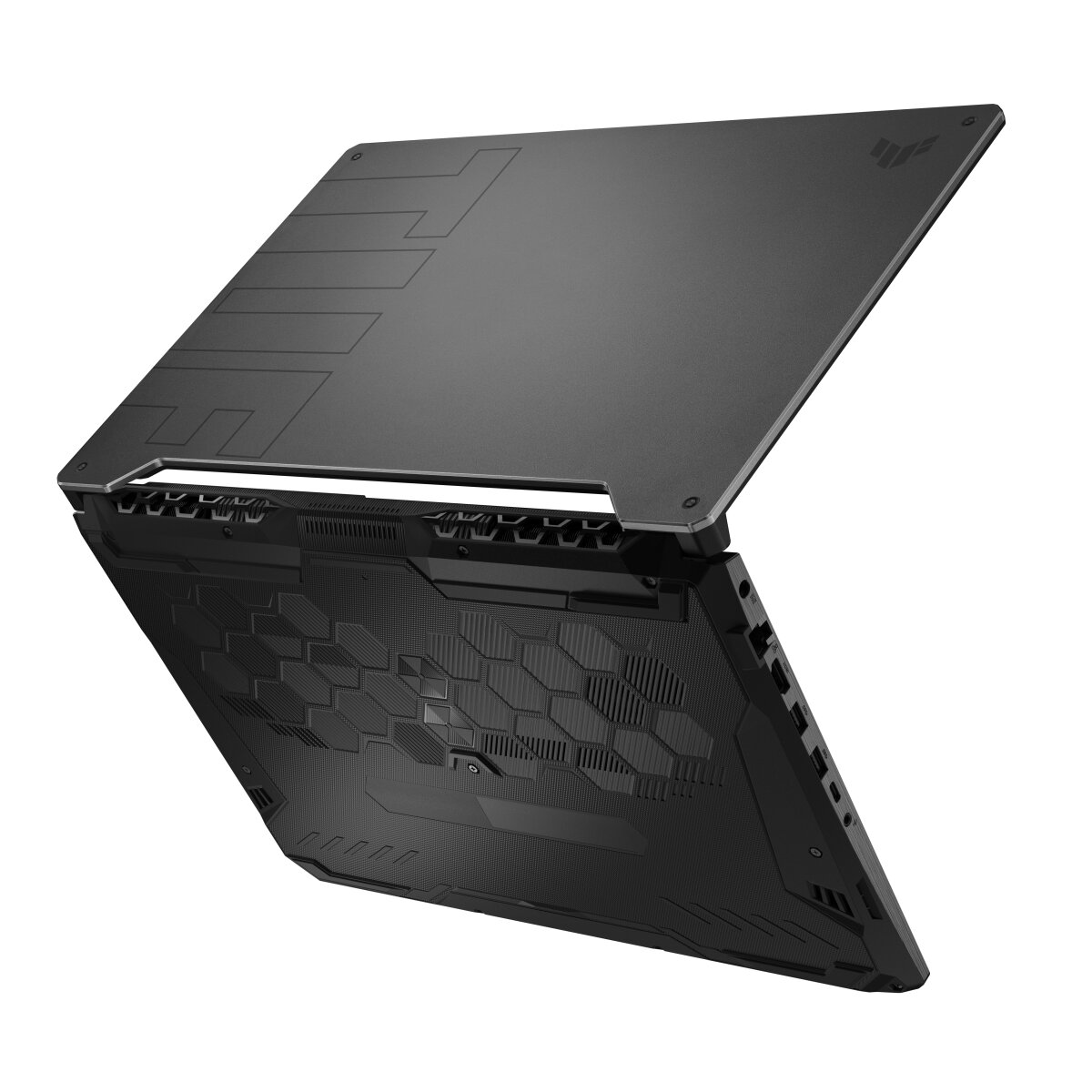
ASUS TUF Gaming F15 FX506HCB-HN143W laptop features two SO-DIMM memory slots supporting DDR4-SDRAM modules at 3200 MHz frequency. The upgrade specifications indicate maximum RAM capacity of 32 GB total memory. Compatible DDR4-SDRAM modules can be installed in either slot to expand the system's memory configuration. Specifications show support for SO-DIMM form factor modules only. The laptop's memory upgrade potential allows for increased multitasking performance and application responsiveness through expanded RAM capacity installation.
Memory Upgrade Specifications
| Specification | Value |
|---|---|
| Memory slots | 2x SO-DIMM |
| Form factor | SO-DIMM |
| Memory type | DDR4-SDRAM |
| Frequency | 3200 MHz |
| Maximum RAM | 32 GB |
| Voltage | 1.2V |
| Number of pins | 260-pin |
| Interface | PC4 |
| PC Speed Rating | PC4-3200 (PC4-25600) |
| Bandwidth | 25.6 GB/s |
| Laptop Release date | 20 October 2021 |
Additional Notes
- The ASUS TUF Gaming FX506HCB-HN143W contains 2 SO-DIMM slots, meaning both slots must be populated to achieve the 32 GB maximum capacity. Leaving a single slot empty reduces total addressable memory and eliminates dual-channel architecture benefits, resulting in measurable bandwidth reduction during memory-intensive gaming or content creation workloads.
- DDR4-3200 MHz memory operates at JEDEC standard frequencies; however, Intel 11th generation processors (common in this chassis generation) support DDR4-3200 as rated speed. Third-party memory rated above 3200 MHz requires manual BIOS overclocking configuration and voids standard warranty coverage on memory subsystem stability.
- SO-DIMM physical constraints prevent installation of standard UDIMM modules. Retrofit attempts with incompatible form factors result in physical contact failure; no electrical pins align and slots sustain mechanical damage. Replacement memory must carry explicit SO-DIMM designation.
- Upgrading from factory configuration to 32 GB requires removal of existing memory modules. Most configurations ship with matched pairs; mismatched capacity or speed combinations (mixing original modules with new SO-DIMMs of different specifications) create latency asymmetry and degrade performance below single-channel operation thresholds.
- DDR4 memory frequency headroom is limited on this platform. Thermal management under sustained load becomes a secondary constraint; SO-DIMM modules occupy confined spaces with restricted airflow. Memory modules with integrated heatspreaders generate localized thermal hotspots affecting nearby storage or wireless components.