ASUS TUF Gaming FX506HCB-HN144 RAM upgrade specifications

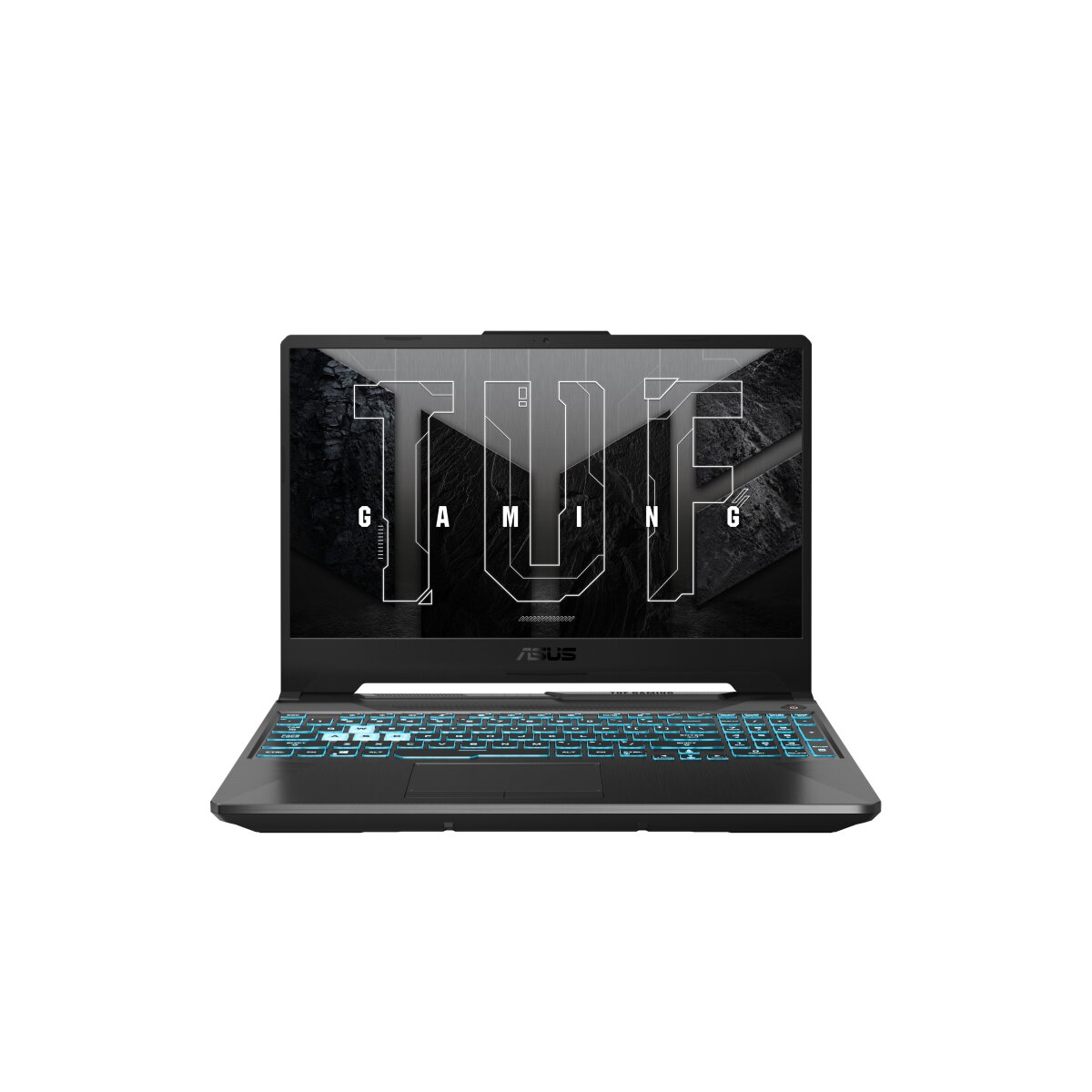


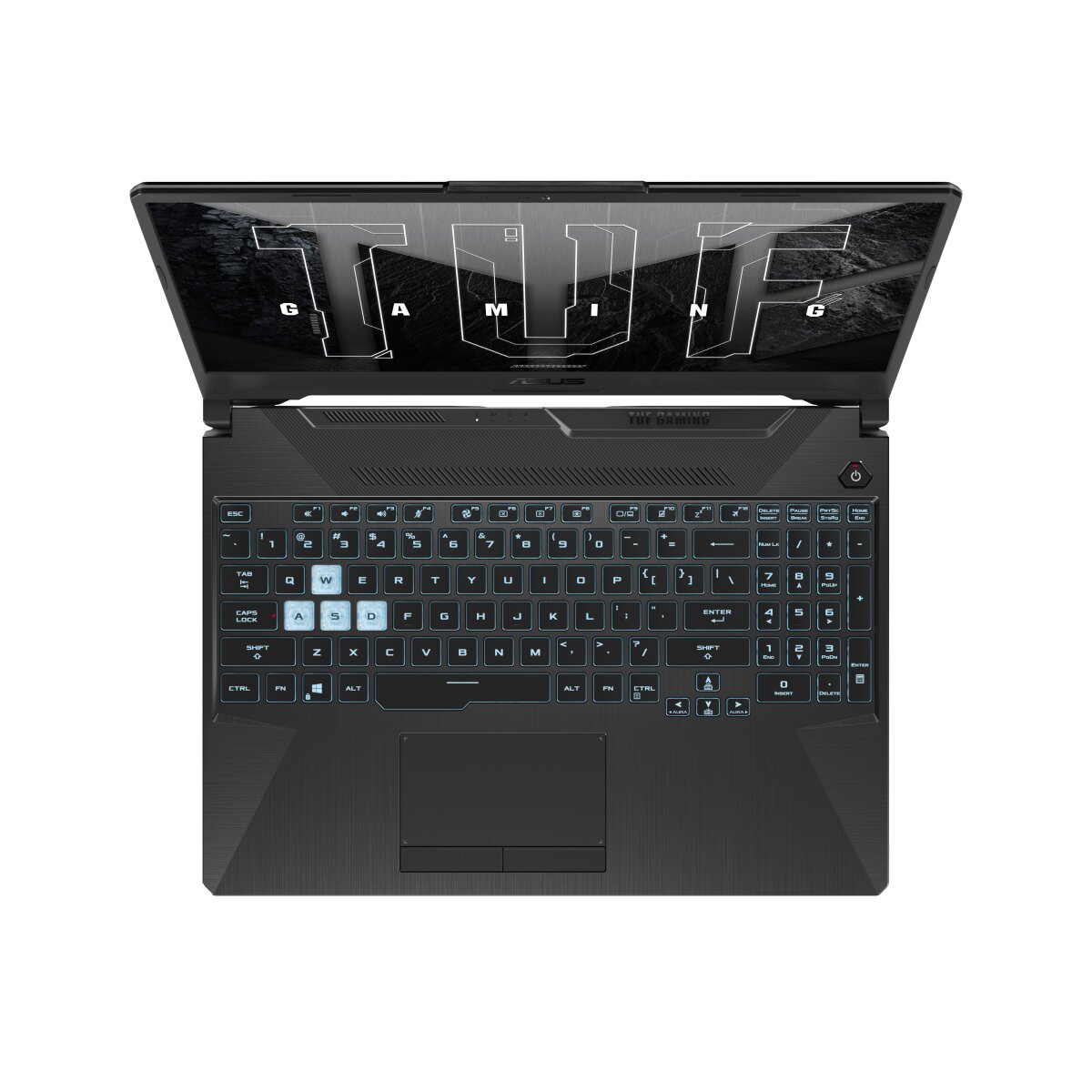
ASUS TUF Gaming F15 FX506HCB-HN144 compatible RAM upgrade specifications include DDR4-SDRAM memory operating at 3200 MHz. The laptop features 2x SO-DIMM slots supporting maximum RAM capacity of 32 GB total. Compatible memory modules utilize SO-DIMM form factor specifications. Upgrade options allow installation of additional DDR4-SDRAM modules to enhance system performance and multitasking capability for the FX506HCB-HN144 model.
Memory Upgrade Specifications
| Specification | Value |
|---|---|
| Memory slots | 2x SO-DIMM |
| Form factor | SO-DIMM |
| Memory type | DDR4-SDRAM |
| Frequency | 3200 MHz |
| Maximum RAM | 32 GB |
| Voltage | 1.2V |
| Number of pins | 260-pin |
| Interface | PC4 |
| PC Speed Rating | PC4-3200 (PC4-25600) |
| Bandwidth | 25.6 GB/s |
| Laptop Release date | 25 January 2022 |
Additional Notes
- The 32 GB maximum capacity limitation stems from the chipset or processor architecture supporting up to 16 GB per memory slot when populated with 2 modules.
- DDR4-3200 represents the official specification, though actual operating frequency depends on the installed processor's memory controller capabilities and JEDEC standard fallback behavior.
- Mixing memory modules with different latencies or voltage specifications may force all modules to operate at the slowest common denominator, potentially degrading system responsiveness.
- The SO-DIMM form factor requires modules approximately 67.6 mm in length, physically incompatible with standard desktop DIMM modules measuring 133.35 mm.
- Single-channel configurations using only 1 occupied slot will halve memory bandwidth compared to dual-channel operation, measurably impacting integrated graphics performance and memory-intensive workloads.
- Operating voltage for DDR4-3200 modules typically defaults to 1.2V, while XMP-enabled modules may require 1.35V or higher, which gaming laptops generally do not support through BIOS configuration.
- Non-ECC unbuffered modules represent the only compatible specification, as SO-DIMM slots in consumer laptops lack the electrical pathways for error-correcting or registered memory architectures.
- The ASUS TUF Gaming FX506HCB-HN144 bottom panel requires removal for physical access to memory slots, typically involving 8 to 12 securing screws and potential warranty seal disruption depending on regional regulations.
- Thermal considerations become relevant above 16 GB configurations, as increased module density generates additional heat in the confined laptop chassis space adjacent to primary cooling pathways.
- CAS latency ratings (CL) between 16 and 22 remain functionally compatible, though tighter timings like CL16 provide marginal performance advantages over CL22 in specific memory-bound scenarios.
- Rank configuration affects compatibility, with dual-rank modules potentially offering slight performance improvements over single-rank alternatives when the memory controller supports interleaved access patterns.