ASUS TUF Gaming FX506HCB-HN144T RAM upgrade specifications
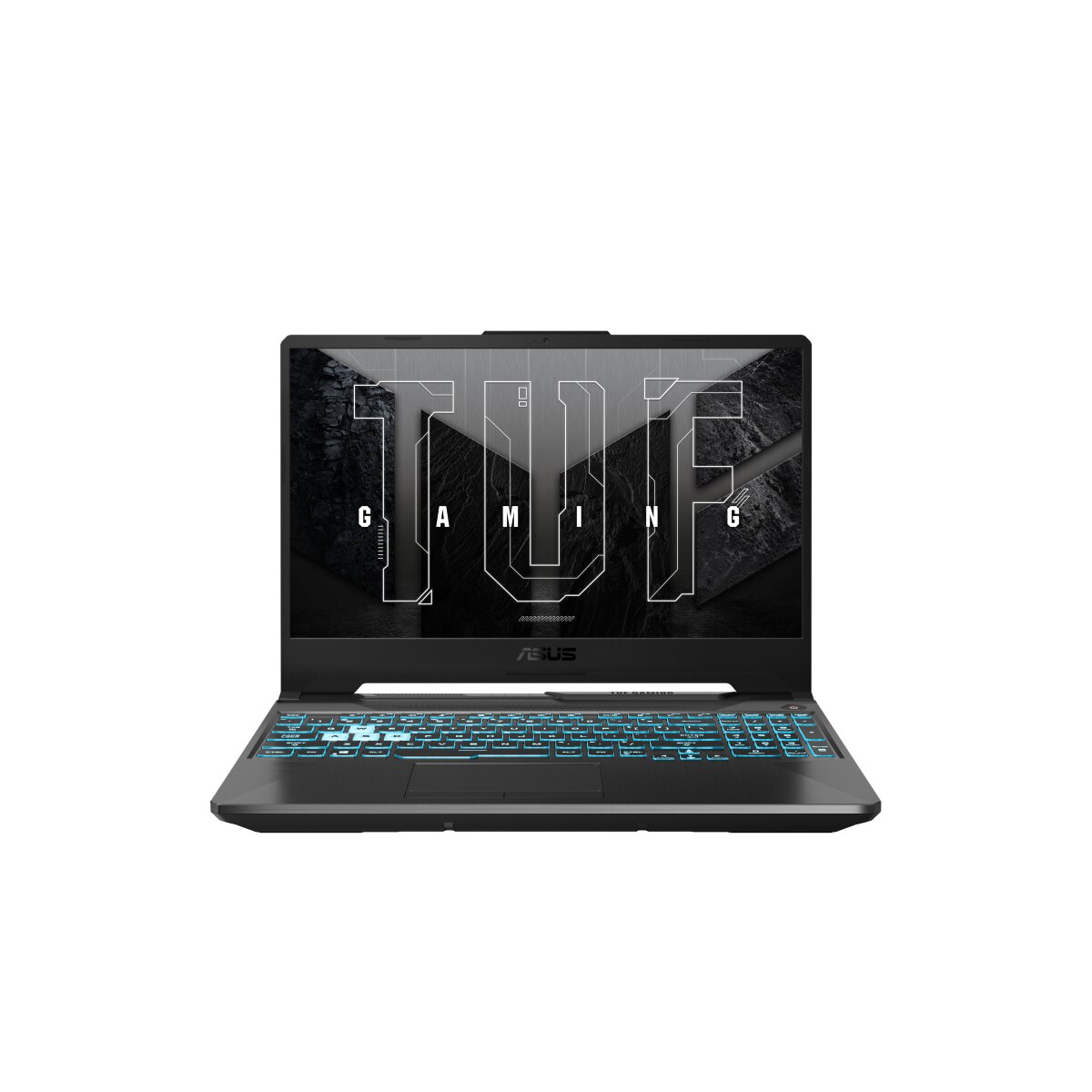


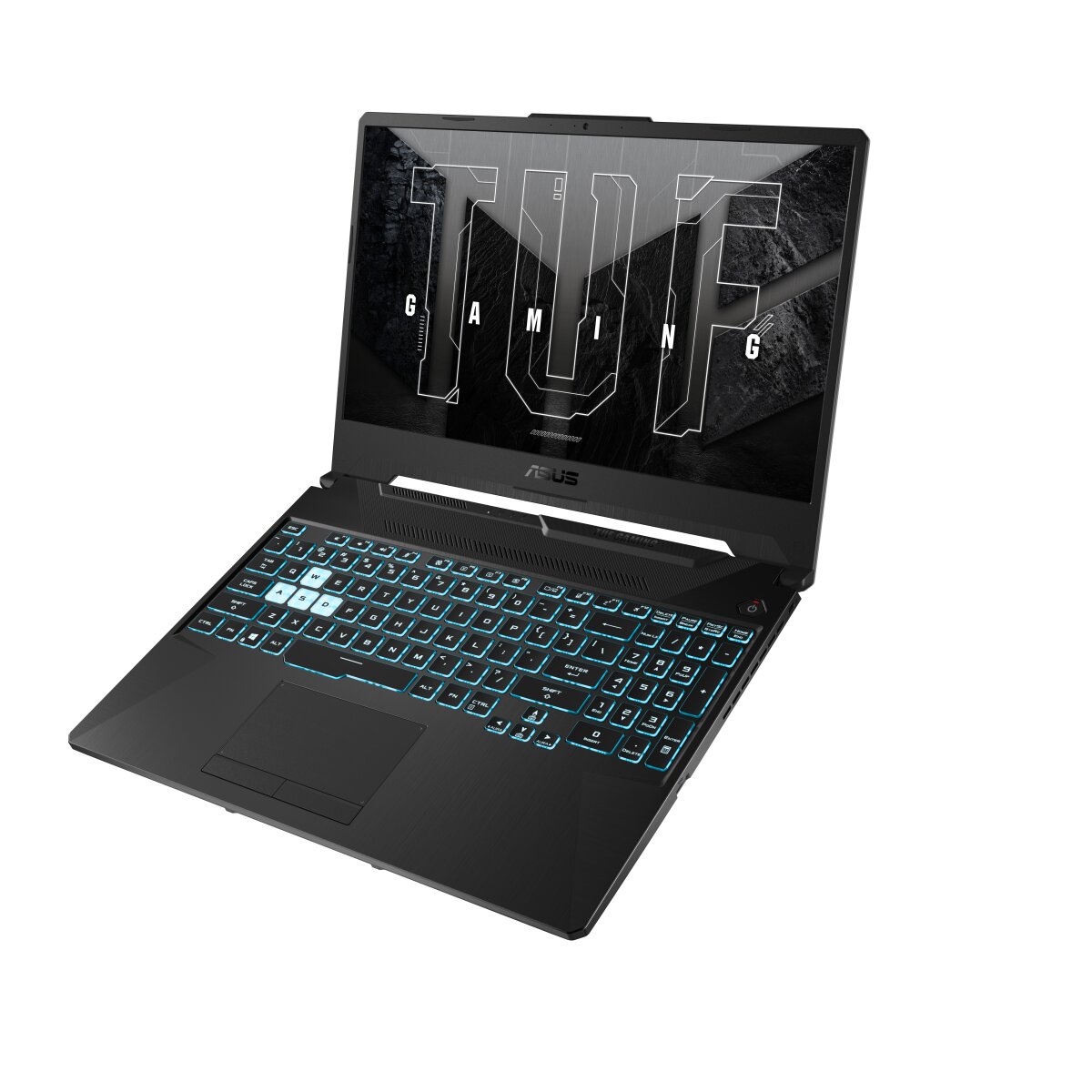

The ASUS TUF Gaming F15 FX506HCB-HN144T features DDR4-SDRAM memory upgrade specifications with 2x SO-DIMM slots supporting a maximum capacity of 32 GB RAM. The laptop's memory operates at 2933 MHz frequency using the SO-DIMM form factor. Compatible upgrade modules must match the DDR4 specifications for optimal performance and stability on this gaming model.
Memory Upgrade Specifications
| Specification | Value |
|---|---|
| Memory slots | 2x SO-DIMM |
| Form factor | SO-DIMM |
| Memory type | DDR4-SDRAM |
| Frequency | 2933 MHz |
| Maximum RAM | 32 GB |
| Voltage | 1.2V |
| Number of pins | 260-pin |
| Interface | PC4 |
| PC Speed Rating | PC4-2933 (PC4-23464) |
| Bandwidth | 23.5 GB/s |
| Laptop Release date | 28 July 2021 |
Additional Notes
- The ASUS TUF Gaming FX506HCB-HN144T accepts 2933 MHz modules but will downclock faster RAM to match this specification, making purchases of 3200 MHz or higher modules economically inefficient.
- The 32 GB ceiling requires installation of 2 matching 16 GB modules to reach maximum capacity, as single-module configurations would leave expansion potential unused.
- Mixing modules of different speeds forces the memory controller to operate all sticks at the lowest common frequency, creating a performance floor across the entire configuration.
- SO-DIMM installation in gaming laptops typically requires complete base panel removal rather than dedicated access doors, affecting service time and skill requirements.
- DDR4 voltage specifications at 1.2V standard differ from DDR3 compatibility, preventing backward compatibility with older memory architectures.
- Dual-channel population of both slots delivers twice the theoretical bandwidth compared to single-channel operation, directly impacting integrated graphics performance and system responsiveness.
- The 2933 MHz frequency represents JEDEC standard rather than overclocked XMP profiles, ensuring operation without BIOS modifications or stability concerns.
- Memory controller limitations on mobile processors often cap frequency support regardless of module specifications, making the stated 2933 MHz limit a hardware rather than artificial restriction.
- Thermal constraints in laptop chassis prevent use of modules with tall heat spreaders or RGB lighting assemblies, limiting selection to standard low-profile SO-DIMM designs.
- Non-ECC unbuffered modules represent the only compatible architecture for this consumer platform, as server-grade registered or error-correcting RAM lacks chipset support.
- Warranty preservation typically requires retention of factory seals during upgrades, though memory replacement generally falls under user-serviceable components in most regions.
- Rank configuration affects compatibility at maximum capacity, where some 16 GB dual-rank modules may encounter stability issues depending on memory controller implementation.