ASUS TUF Gaming FX506HE-HN386W RAM upgrade specifications
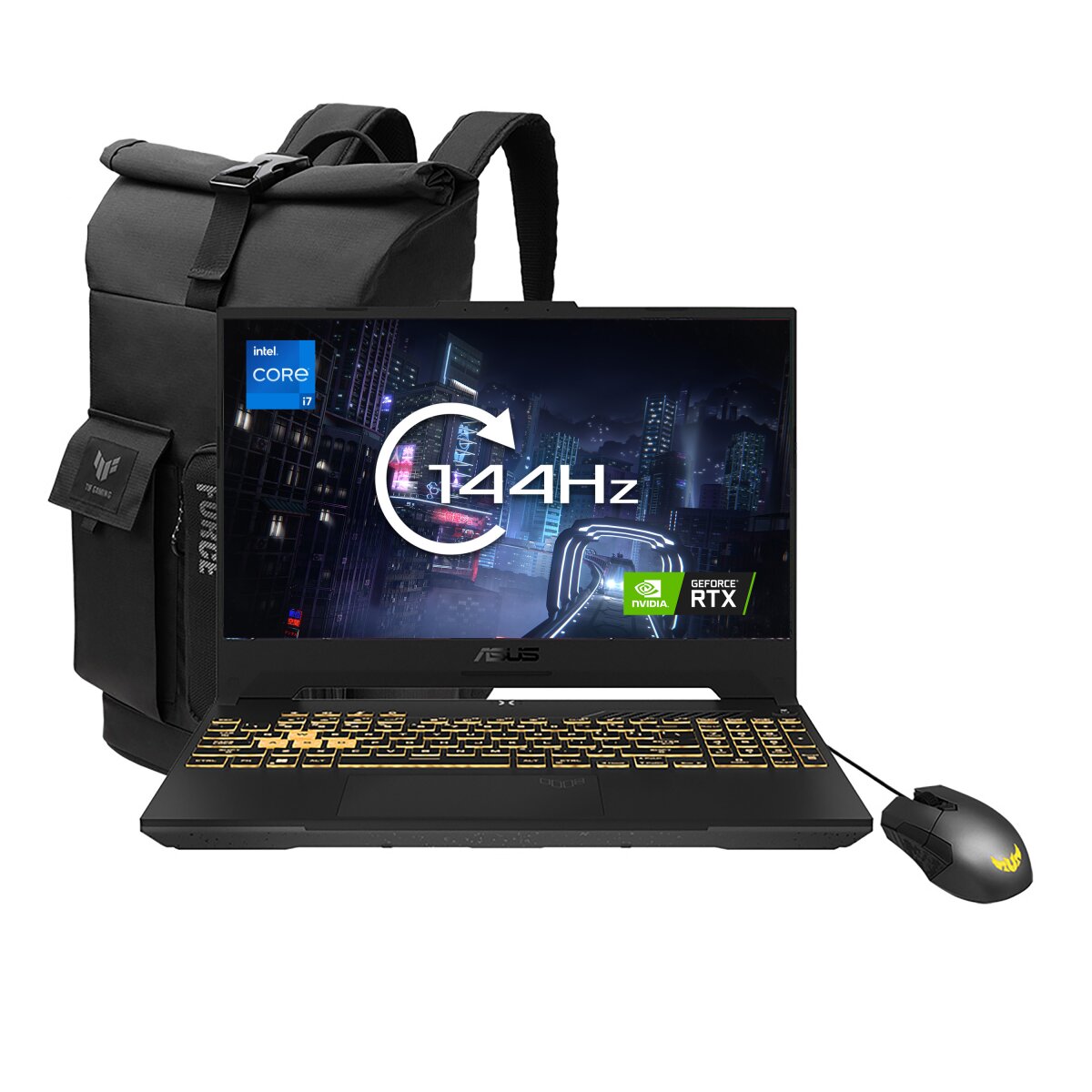

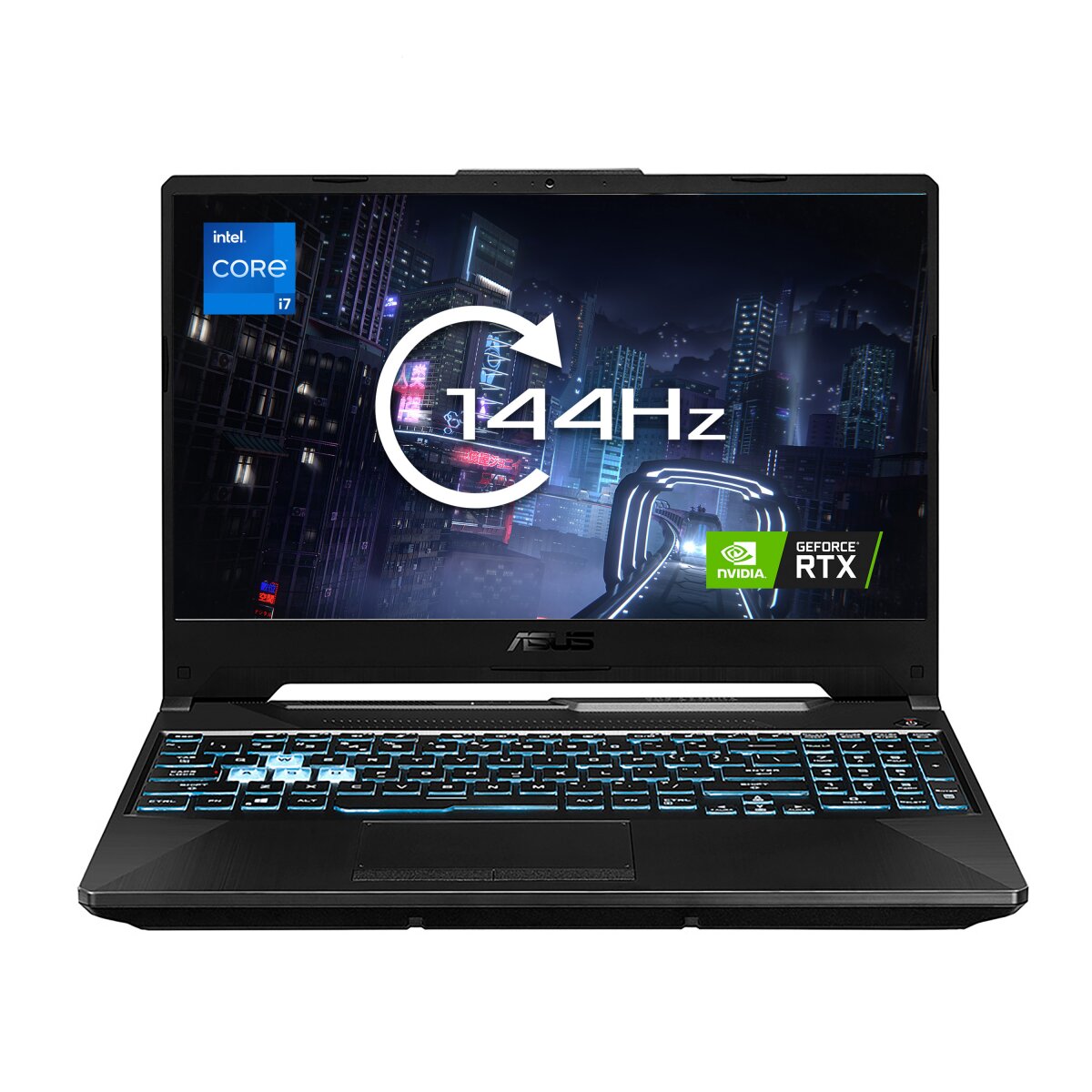

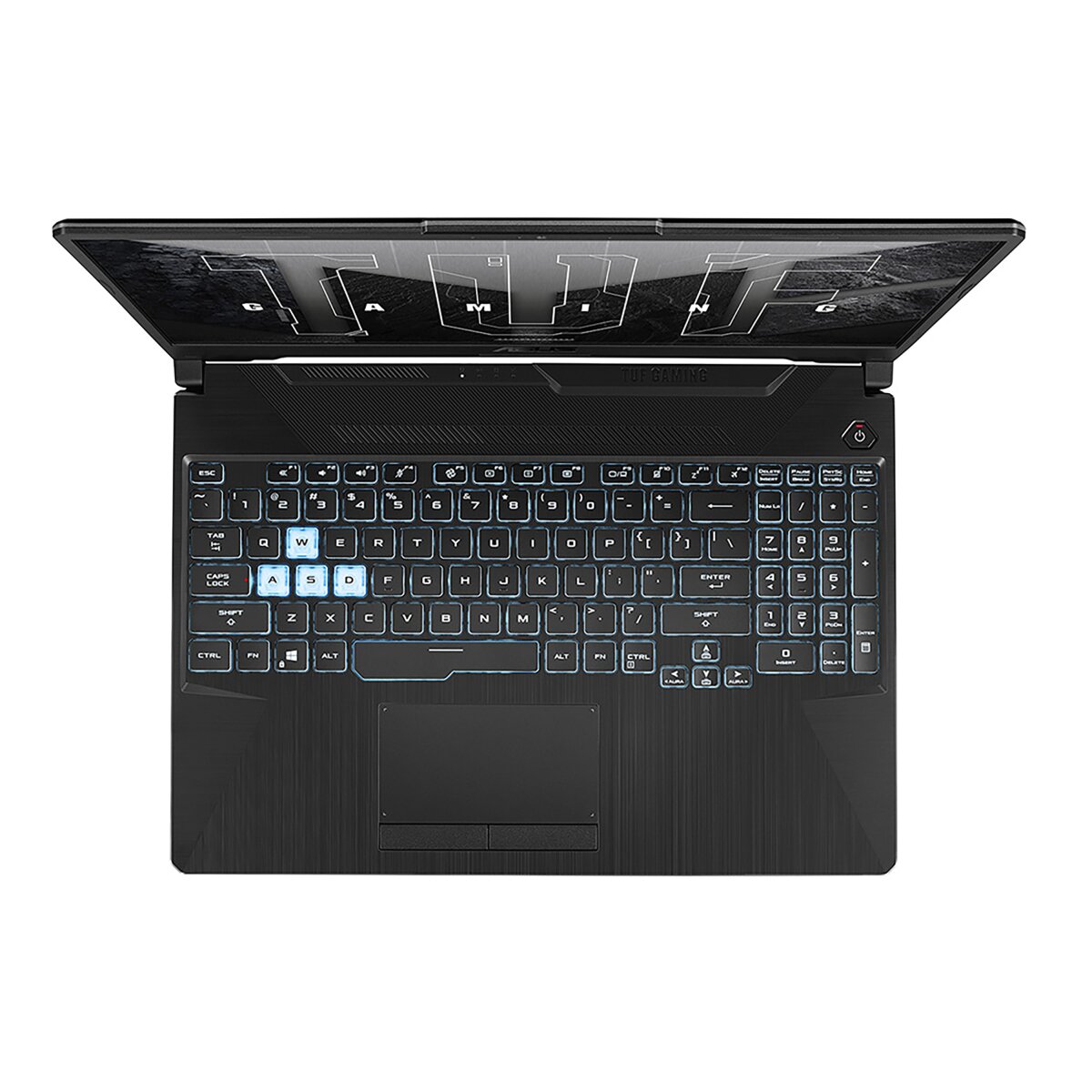
The ASUS TUF Gaming F15 FX506HE-HN386W laptop features DDR4-SDRAM memory with two SO-DIMM slots available for upgrade. The system supports a maximum RAM capacity of 32 GB, with compatible memory operating at 3200 MHz frequency. The SO-DIMM form factor specifications enable compatible memory module installation in the existing upgrade slots. Current memory configurations allow expansion through DDR4 modules meeting the system's specifications and maximum capacity requirements.
Memory Upgrade Specifications
| Specification | Value |
|---|---|
| Memory slots | 2x SO-DIMM |
| Form factor | SO-DIMM |
| Memory type | DDR4-SDRAM |
| Frequency | 3200 MHz |
| Maximum RAM | 32 GB |
| Voltage | 1.2V |
| Number of pins | 260-pin |
| Interface | PC4 |
| PC Speed Rating | PC4-3200 (PC4-25600) |
| Bandwidth | 25.6 GB/s |
Additional Notes
- The ASUS TUF Gaming FX506HE-HN386W utilizes DDR4 SO-DIMM modules, which are physically incompatible with DDR3 or DDR5 slots due to different notch positions and pin configurations.
- Maximum capacity of 32 GB indicates a chipset or BIOS limitation of 16 GB per slot, preventing the use of higher-density modules even if physically compatible.
- Dual-channel operation requires matched pairs of modules for optimal memory bandwidth, with asymmetric configurations defaulting to single-channel mode and reducing theoretical throughput by approximately 50 percent.
- 3200 MHz represents the official specification, though actual operating frequency depends on CPU memory controller support and SPD profiles present on installed modules.
- SO-DIMM modules rated below 3200 MHz will function but default to their lower rated speed unless manually overclocked through BIOS settings, potentially leaving performance on the table.
- Modules exceeding 3200 MHz may downclock to match the supported frequency, making premium-priced high-speed kits economically inefficient for this platform.
- Both memory slots are typically user-accessible in gaming laptops through bottom panel removal, though specific access procedures vary and may affect warranty status depending on regional regulations.
- Mixing modules with different timings or voltages can cause POST failures or force the system to operate at the lowest common specifications across both slots.
- Non-ECC unbuffered modules are standard for consumer laptops, while ECC or registered memory types will be rejected during system initialization.
- Total system power draw increases with higher memory capacity, though the impact on battery life remains marginal compared to CPU and GPU consumption.
- Heat dissipation from populated memory slots contributes to internal chassis temperatures, particularly relevant during sustained workloads in thermally constrained laptop environments.