ASUS TUF Gaming FX506HE-i58G512-H1 RAM upgrade specifications


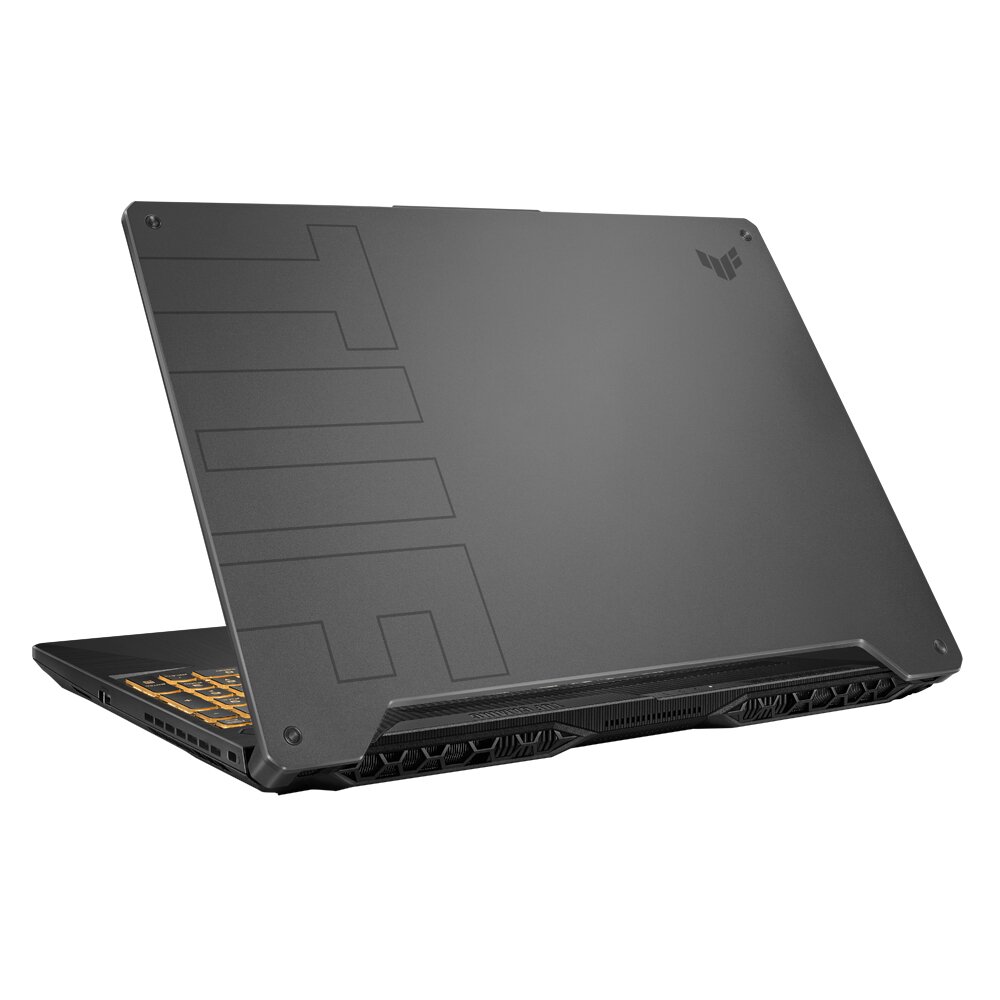
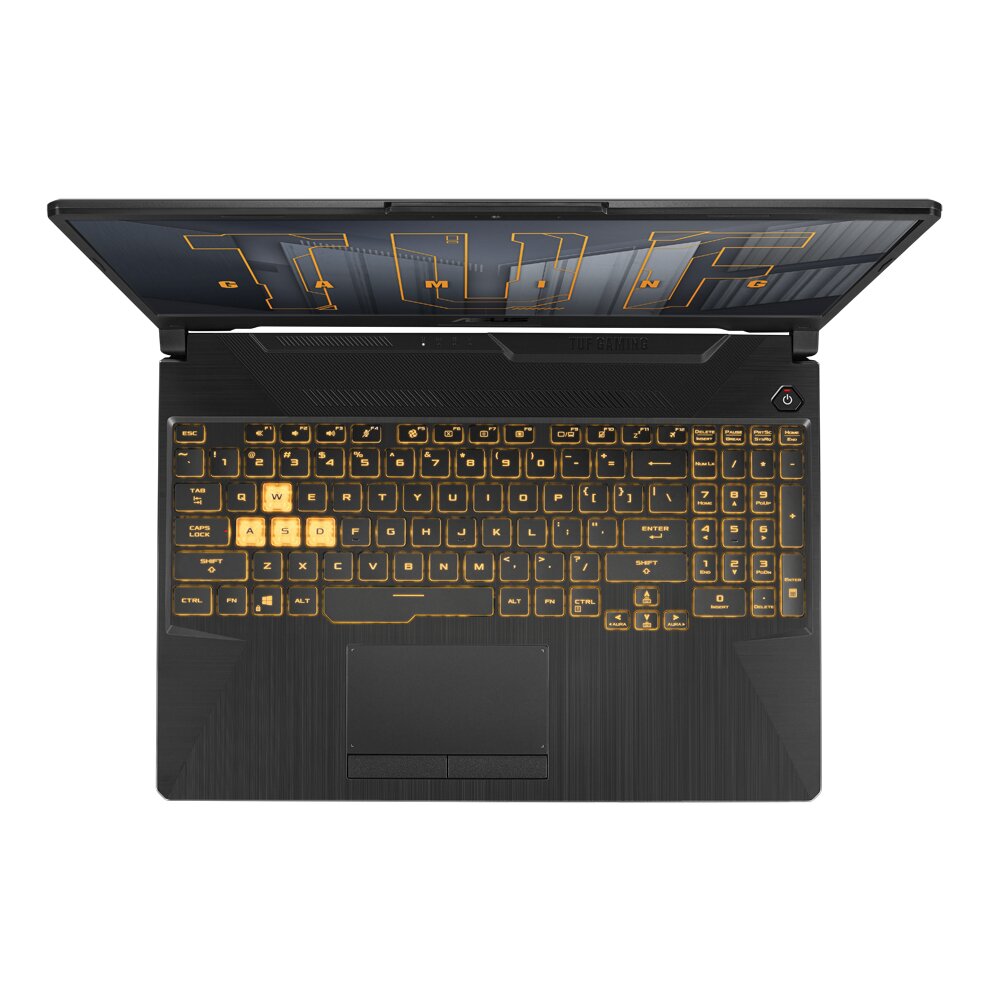
ASUS TUF Gaming F15 FX506HE-i58G512-H1 laptop features DDR4-SDRAM memory upgrade capacity. The system contains 2x SO-DIMM slots supporting maximum RAM expansion to 32 GB. Compatible memory operates at 3200 MHz frequency with SO-DIMM form factor specifications. Current configuration includes 8 GB installed memory, allowing single-slot or dual-slot upgrade options. Memory specifications enable compatibility with standard DDR4 SO-DIMM modules meeting the designated frequency and capacity parameters for this gaming laptop model.
Memory Upgrade Specifications
| Specification | Value |
|---|---|
| Memory slots | 2x SO-DIMM |
| Form factor | SO-DIMM |
| Memory type | DDR4-SDRAM |
| Frequency | 3200 MHz |
| Maximum RAM | 32 GB |
| Voltage | 1.2V |
| Number of pins | 260-pin |
| Interface | PC4 |
| PC Speed Rating | PC4-3200 (PC4-25600) |
| Bandwidth | 25.6 GB/s |
| Laptop Release date | 07 October 2021 |
Additional Notes
- The ASUS TUF Gaming FX506HE-i58G512-H1 operates with DDR4 modules, which are not backward or forward compatible with DDR3 or DDR5 standards due to differences in pin count, voltage requirements, and notch positioning.
- Both memory slots accept SO-DIMM modules rather than standard DIMM, requiring laptop-specific form factor modules that measure 67.6 mm in length versus the 133.35 mm desktop equivalent.
- The 32 GB ceiling indicates the system chipset and BIOS support a maximum addressable memory of this capacity, making configurations above 2x16 GB physically impossible regardless of module availability.
- Operating at 3200 MHz represents DDR4-3200 specification with a theoretical peak bandwidth of 25.6 GB/s per channel, though actual throughput depends on CPU memory controller capabilities and dual-channel population.
- Installing modules of differing speeds will force all memory to operate at the frequency of the slowest installed module, negating any performance advantage of higher-rated RAM.
- Mixing modules with different capacities between slots will maintain dual-channel operation only for the matched portion of capacity, with excess capacity reverting to single-channel mode.
- Accessing internal SO-DIMM slots typically requires bottom panel removal, which may void manufacturer warranty if security seals are present or if damage occurs during user installation.
- The system will require DDR4 modules rated for JEDEC standard voltage of 1.2V, as laptop platforms generally lack voltage adjustment options available in desktop BIOS configurations.
- CAS latency timings interact with frequency to determine actual latency in nanoseconds, making a 3200 MHz module with CL22 potentially slower in certain workloads than a 2666 MHz module with CL16.