ASUS TUF Gaming FX506HEB-HN148W RAM upgrade specifications

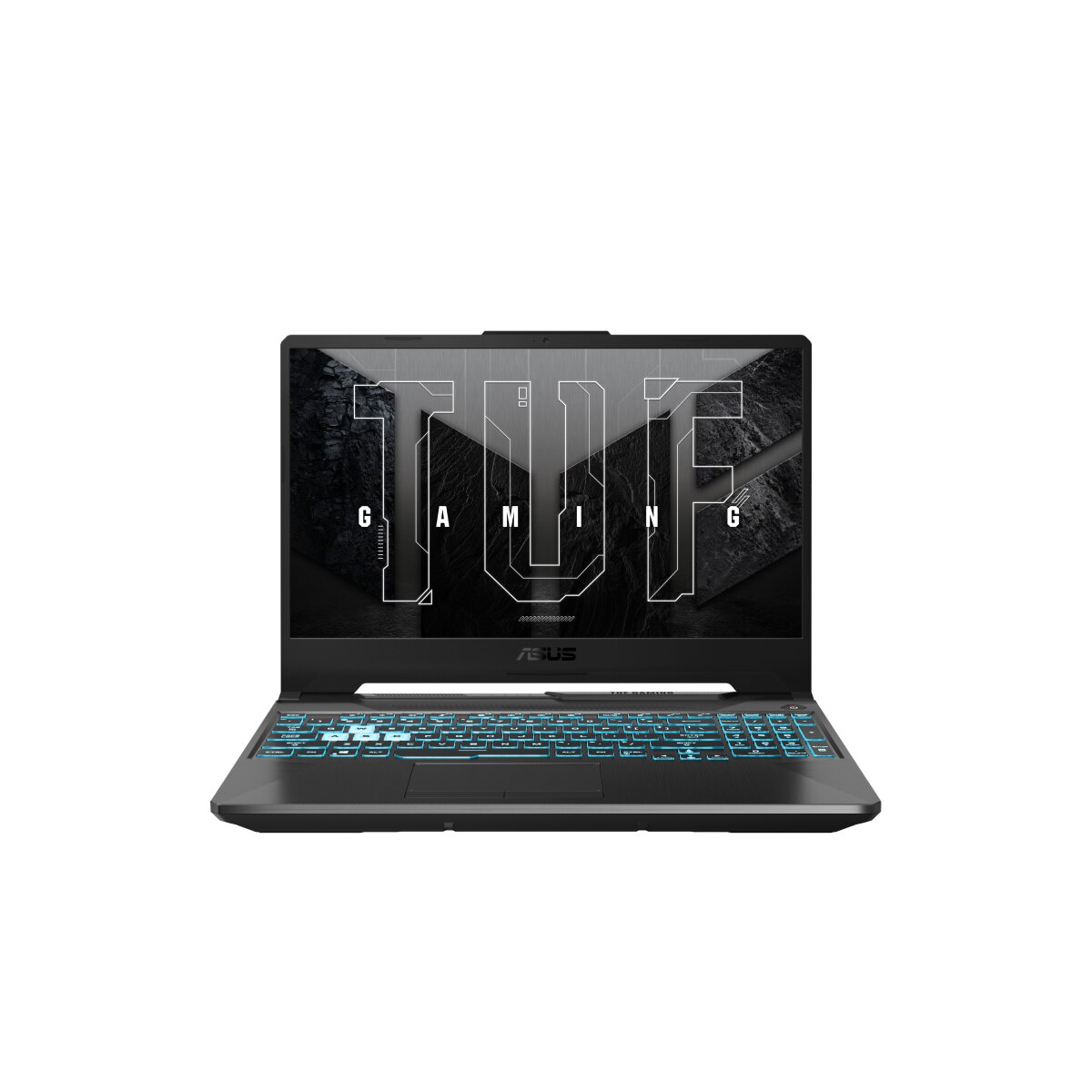

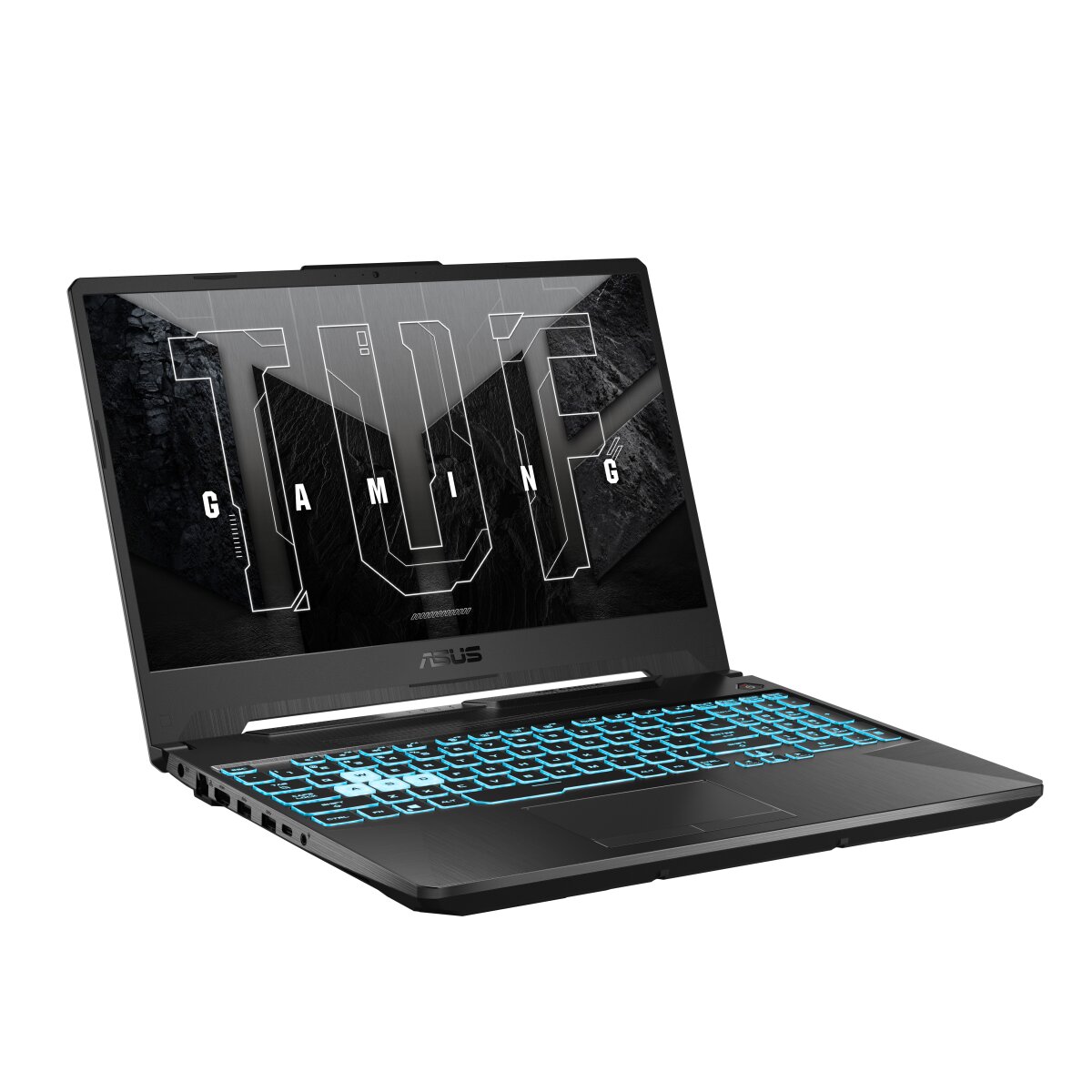

The ASUS TUF Gaming F15 series FX506HEB-HN148W supports DDR4-SDRAM memory upgrades with two SO-DIMM slots. The laptop is compatible with memory modules operating at 3200 MHz frequency. Maximum RAM capacity reaches 32 GB for this model. Specifications indicate SO-DIMM form factor memory modules are required for upgrade compatibility. The FX506HEB-HN148W accommodates dual-channel memory configuration through its two available slots, allowing users to expand the system's memory capacity according to supported specifications.
Memory Upgrade Specifications
| Specification | Value |
|---|---|
| Memory slots | 2x SO-DIMM |
| Form factor | SO-DIMM |
| Memory type | DDR4-SDRAM |
| Frequency | 3200 MHz |
| Maximum RAM | 32 GB |
| Voltage | 1.2V |
| Number of pins | 260-pin |
| Interface | PC4 |
| PC Speed Rating | PC4-3200 (PC4-25600) |
| Bandwidth | 25.6 GB/s |
| Laptop Release date | 13 January 2022 |
Additional Notes
- The ASUS TUF Gaming FX506HEB-HN148W utilizes SO-DIMM slots instead of standard DIMM, which restricts module selection to notebook-specific memory form factors.
- DDR4-SDRAM at 3200 MHz represents a JEDEC standard speed, eliminating the need for XMP profile configuration in BIOS.
- The 32 GB maximum capacity constraint is controller-based, meaning installation of higher-density modules will either fail POST or be recognized only partially.
- Dual SO-DIMM configuration enables dual-channel operation, which doubles effective memory bandwidth compared to single-channel configurations when matched modules are installed.
- Both memory slots must be accessed simultaneously during upgrade procedures, as mixed configurations with unequal capacities will force asymmetric dual-channel mode with reduced performance benefits.
- Operating voltage for DDR4-3200 defaults to 1.2V, which prevents compatibility with low-voltage DDR4L modules rated at 1.35V despite physical form factor similarity.
- The 3200 MHz specification represents the maximum supported frequency, meaning installation of faster-rated modules will result in automatic downclocking to this ceiling speed.
- Physical module height must not exceed 30mm for SO-DIMM compatibility within the chassis clearance constraints typical of gaming notebook designs.
- Non-ECC unbuffered modules are required, as registered or ECC memory types will cause boot failure in consumer-grade mobile platforms.
- Thermal considerations become relevant when approaching the 32 GB maximum capacity, as higher-density modules generate increased heat output within confined notebook airflow paths.