ASUS TUF Gaming FX506HEB-HN153T RAM upgrade specifications

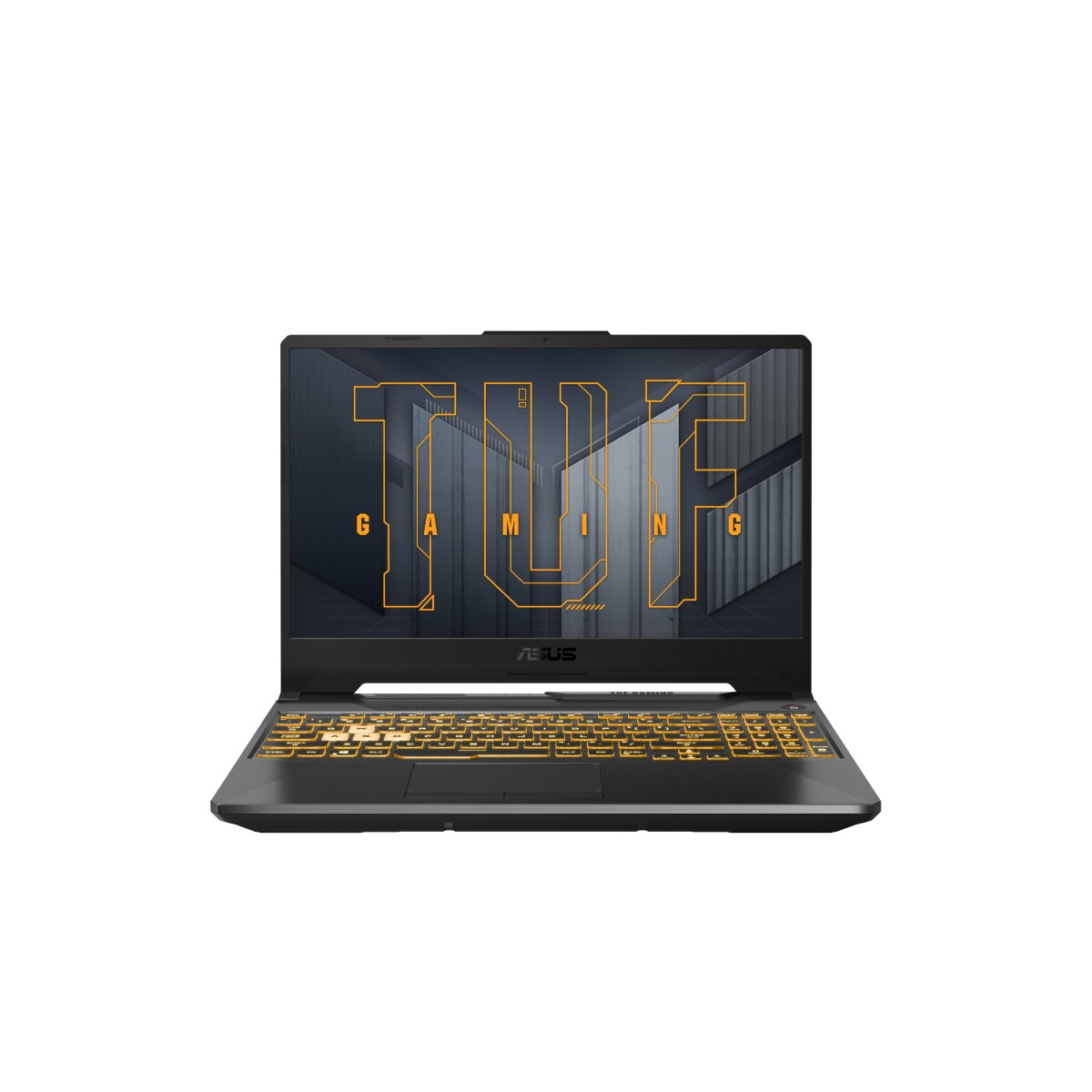
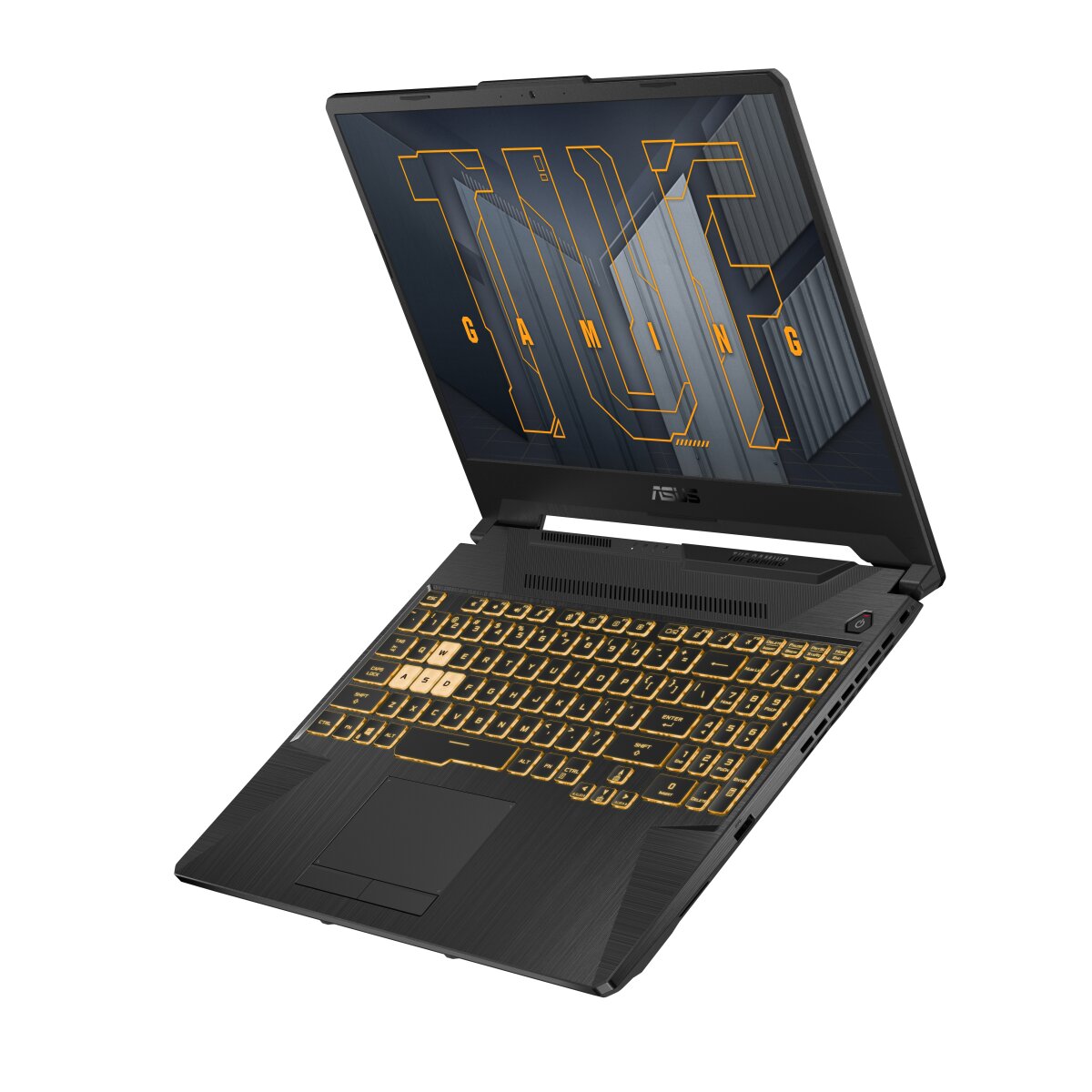

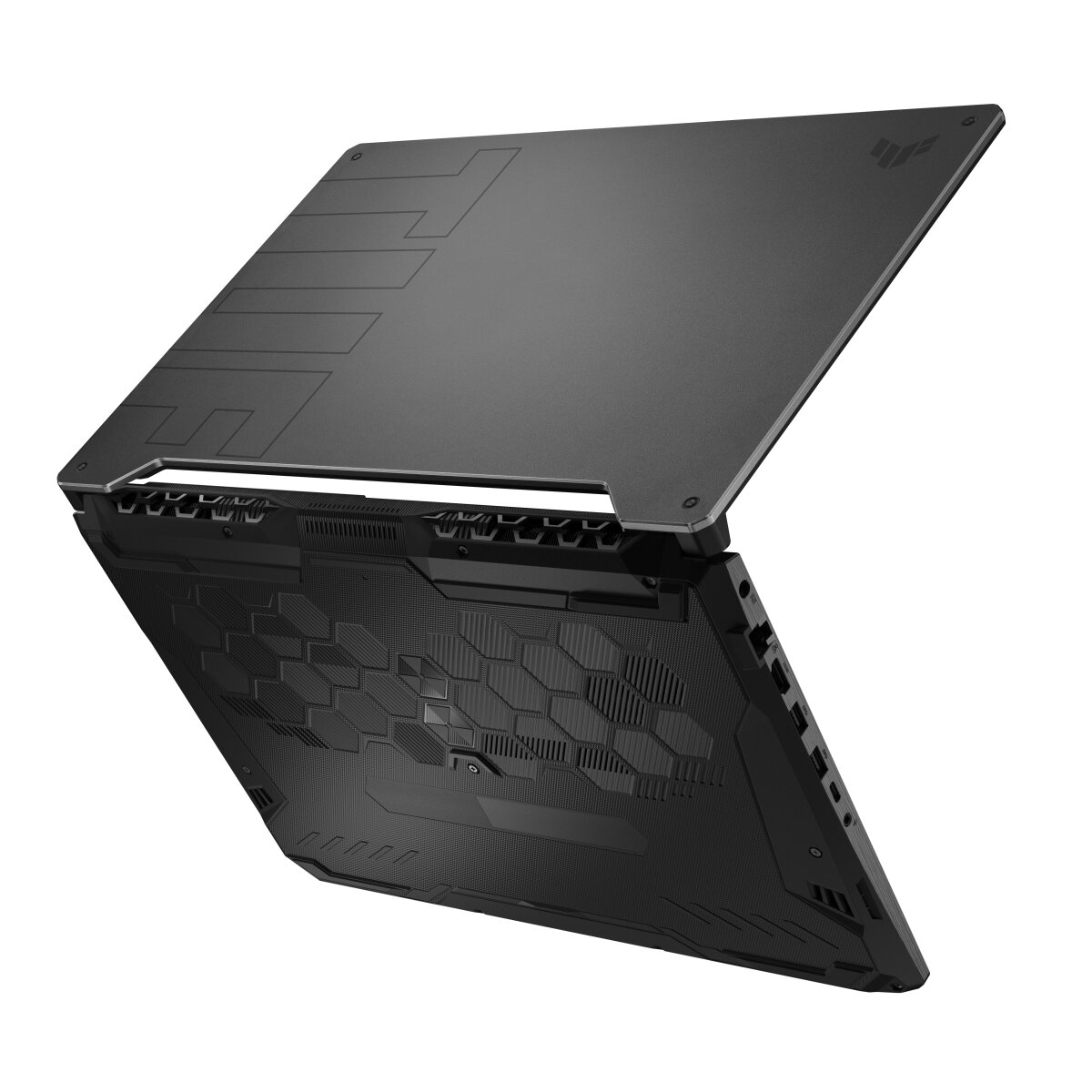
ASUS TUF Gaming F15 FX506HEB-HN153T laptop features DDR4-SDRAM memory with two SO-DIMM slots supporting maximum RAM capacity of 32 GB. Compatible memory modules operate at 3200 MHz frequency. The upgrade specifications indicate SO-DIMM form factor compatibility for RAM expansion. Maximum memory capacity reaches 32 GB total when both slots are populated with compatible DDR4-SDRAM modules at specified frequency.
Memory Upgrade Specifications
| Specification | Value |
|---|---|
| Memory slots | 2x SO-DIMM |
| Form factor | SO-DIMM |
| Memory type | DDR4-SDRAM |
| Frequency | 3200 MHz |
| Maximum RAM | 32 GB |
| Voltage | 1.2V |
| Number of pins | 260-pin |
| Interface | PC4 |
| PC Speed Rating | PC4-3200 (PC4-25600) |
| Bandwidth | 25.6 GB/s |
| Laptop Release date | 04 November 2021 |
Additional Notes
- The ASUS TUF Gaming FX506HEB-HN153T accepts only SO-DIMM modules, which physically differ from standard DIMM modules used in desktop systems.
- DDR4-SDRAM backward compatibility allows slower frequency modules to function, though the system will operate at the lowest installed module speed.
- The 3200 MHz specification represents the maximum supported frequency; modules rated higher may default to 3200 MHz or require manual BIOS configuration.
- Dual SO-DIMM slots enable dual-channel memory architecture when populated with matched pairs, potentially doubling memory bandwidth compared to single-channel configurations.
- The 32 GB maximum capacity limitation stems from chipset and BIOS constraints rather than physical slot restrictions.
- Mixed capacity modules across the 2 slots will function but may force single-channel mode or asymmetric dual-channel operation, reducing theoretical bandwidth.
- SO-DIMM installation requires removal of the bottom panel, which may void warranty seals depending on regional warranty terms.
- DDR5 modules are electrically and physically incompatible with this DDR4 platform due to different notch positions and voltage requirements.
- Memory operating voltage typically defaults to 1.2V for JEDEC-standard DDR4-3200; XMP profiles requiring higher voltages may not activate on mobile platforms.
- Thermal throttling may occur under sustained memory-intensive workloads if the chassis cooling system cannot adequately dissipate heat from densely populated SO-DIMM slots.
- ECC SO-DIMM modules, while physically compatible, will likely operate in non-ECC mode as consumer mobile chipsets typically lack error-correction support.