ASUS TUF Gaming FX506HEB-HN159W RAM upgrade specifications


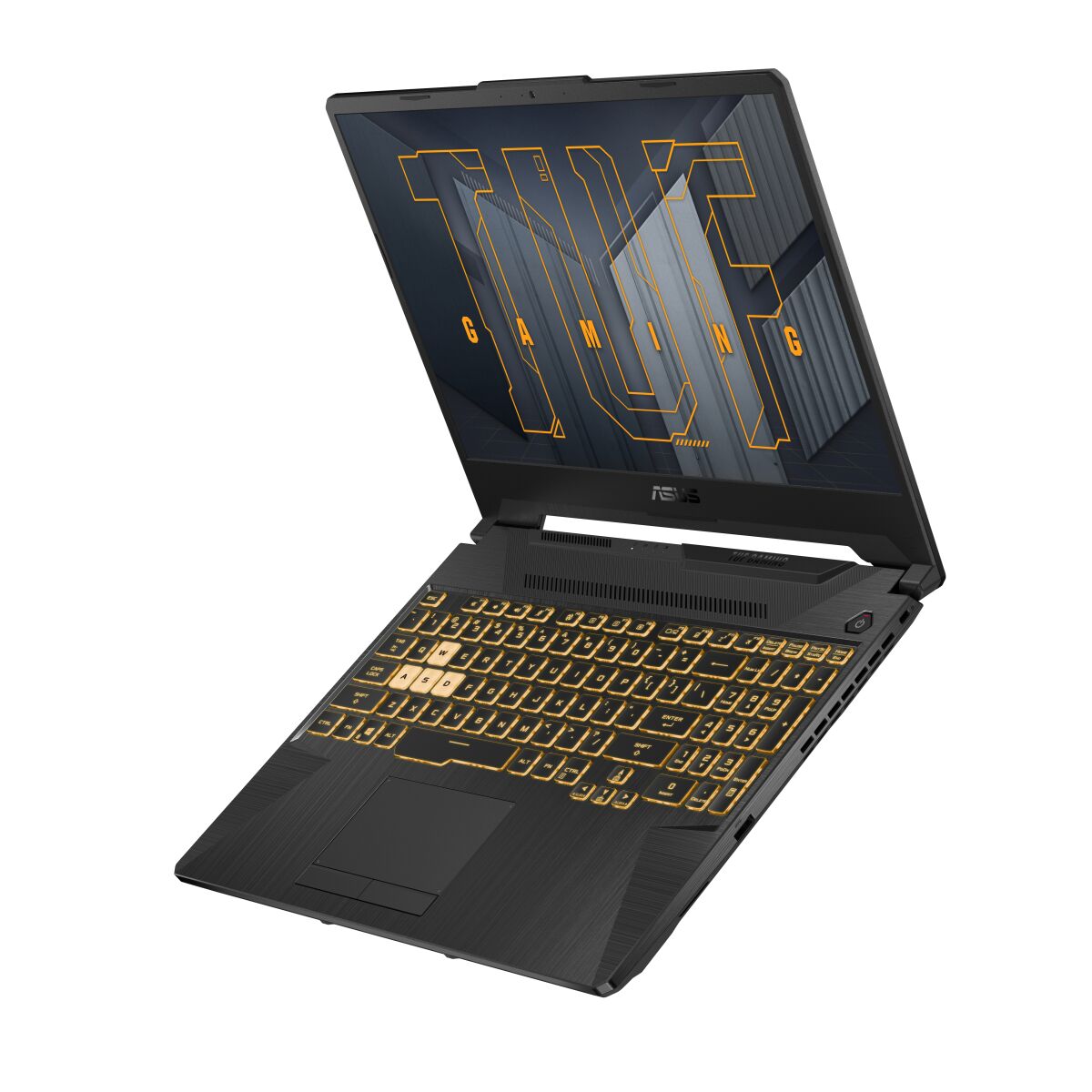


The ASUS TUF Gaming F15 FX506HEB-HN159W features DDR4-SDRAM memory upgradeable via two SO-DIMM slots. The laptop supports maximum memory capacity of 32 GB with compatible DDR4 modules operating at 3200 MHz frequency. Current specifications enable memory expansion compatible with standard SO-DIMM form factor modules. Upgrade configuration allows dual-channel operation through dual memory slots for enhanced system performance.
Memory Upgrade Specifications
| Specification | Value |
|---|---|
| Memory slots | 2x SO-DIMM |
| Form factor | SO-DIMM |
| Memory type | DDR4-SDRAM |
| Frequency | 3200 MHz |
| Maximum RAM | 32 GB |
| Voltage | 1.2V |
| Number of pins | 260-pin |
| Interface | PC4 |
| PC Speed Rating | PC4-3200 (PC4-25600) |
| Bandwidth | 25.6 GB/s |
| Laptop Release date | 19 January 2022 |
Additional Notes
- The ASUS TUF Gaming FX506HEB-HN159W employs non-ECC unbuffered memory architecture, which limits error correction capabilities but maintains lower latency suitable for gaming workloads.
- DDR4-3200 represents the JEDEC standard specification, meaning modules marketed as higher frequencies will downclock to 3200 MHz due to chipset and processor memory controller limitations.
- The 32 GB ceiling indicates a dual-rank configuration requirement at maximum capacity, necessitating 2x16 GB modules rather than higher-density alternatives.
- SO-DIMM slots typically require non-simultaneous module insertion to avoid physical interference with adjacent components in compact gaming chassis designs.
- Memory operating voltage defaults to 1.2V for DDR4-3200 JEDEC profiles, while XMP modules rated at 1.35V will function but revert to standard voltage under BIOS defaults.
- Dual-channel architecture activation requires matched module installation in both slots, as single-module configurations reduce memory bandwidth by approximately 50 percent.
- Thermal considerations become relevant beyond 16 GB configurations, as higher-density modules generate increased heat in constrained laptop thermal zones without dedicated RAM cooling.
- Warranty preservation mandates use of bottom-panel access points rather than keyboard deck disassembly for memory installation procedures.
- Asymmetric module pairing maintains dual-channel operation but may introduce minor latency penalties when mixing different capacity modules across slots.
- CAS latency specifications at CL22 represent the standard for 3200 MHz DDR4, with lower latencies requiring manual timing adjustments unavailable in most laptop BIOS implementations.