ASUS TUF Gaming FX506HEB-HN159W-BE RAM upgrade specifications


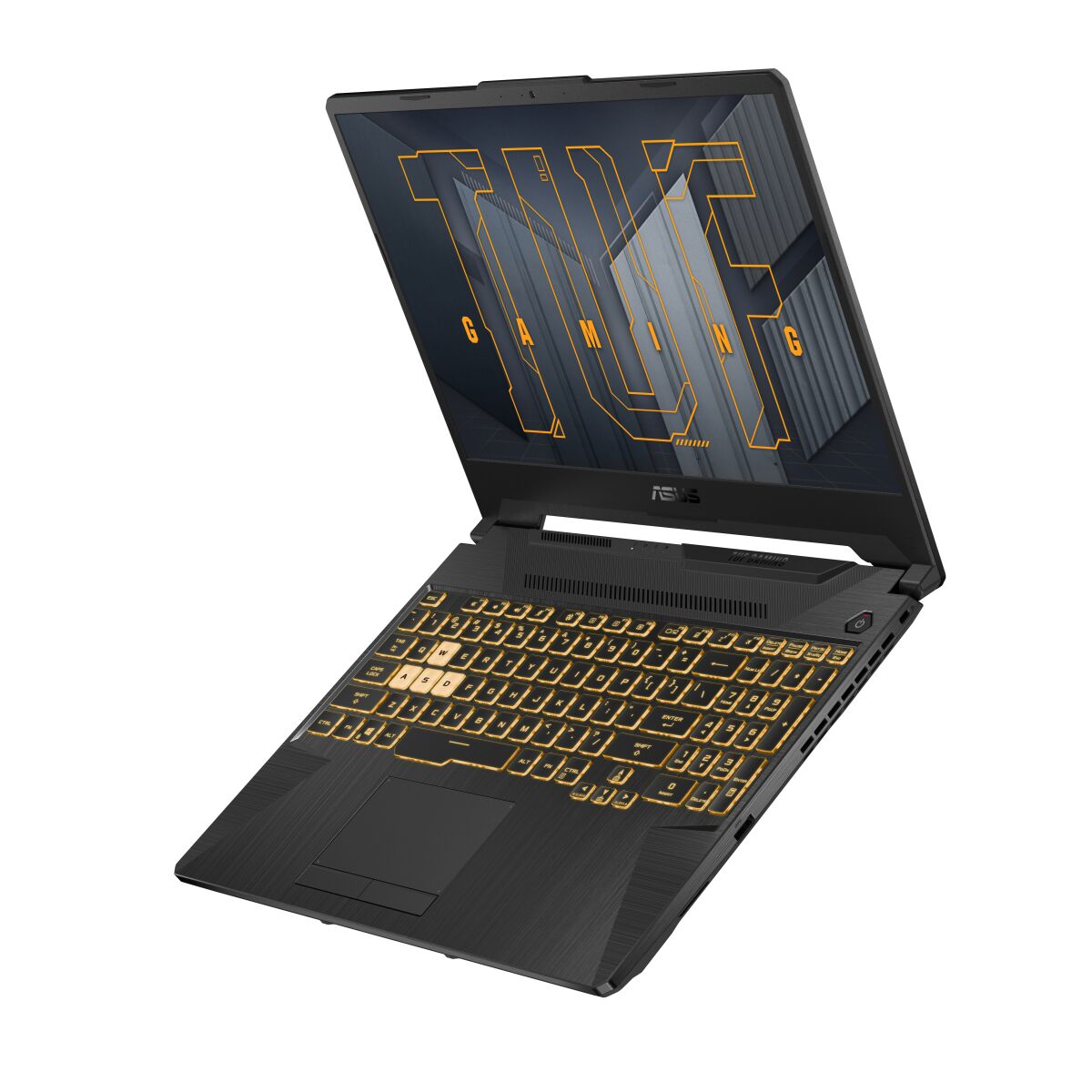

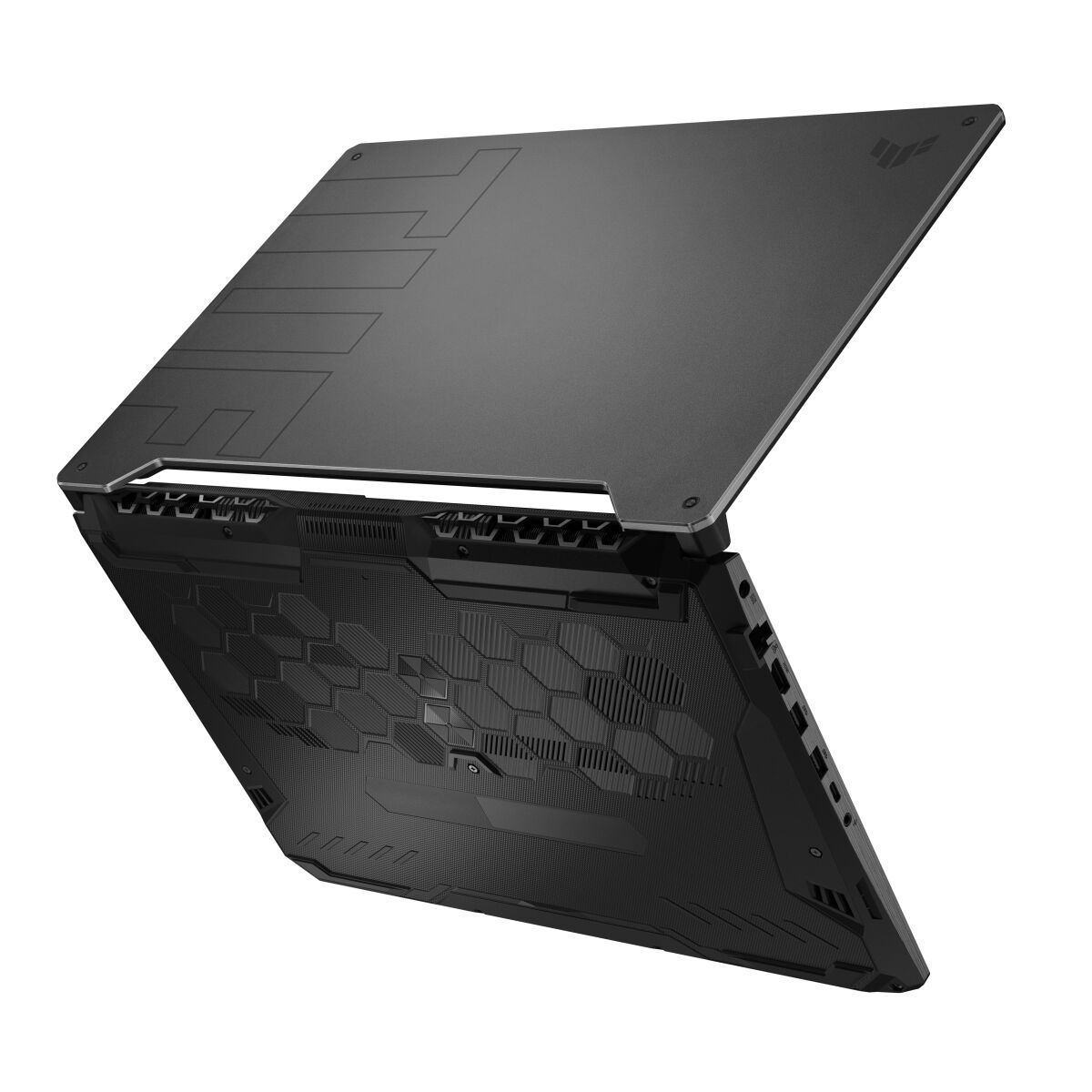
ASUS TUF Gaming F15 FX506HEB-HN159W-BE laptop features DDR4-SDRAM memory with two SO-DIMM slots supporting maximum RAM capacity of 32 GB. Memory upgrade specifications include DDR4-SDRAM modules operating at 3200 MHz frequency. Compatible memory modules utilize SO-DIMM form factor for this gaming laptop model. Maximum memory upgrade capacity reaches 32 GB total across both available slots.
Memory Upgrade Specifications
| Specification | Value |
|---|---|
| Memory slots | 2x SO-DIMM |
| Form factor | SO-DIMM |
| Memory type | DDR4-SDRAM |
| Frequency | 3200 MHz |
| Maximum RAM | 32 GB |
| Voltage | 1.2V |
| Number of pins | 260-pin |
| Interface | PC4 |
| PC Speed Rating | PC4-3200 (PC4-25600) |
| Bandwidth | 25.6 GB/s |
| Laptop Release date | 19 January 2022 |
Additional Notes
- The dual-channel architecture of the ASUS FX506HEB-HN159W-BE requires matched module pairs to maximize memory bandwidth and ensure optimal frame timing during high-load processing.
- Physical access to the internal hardware necessitates a Phillips head screwdriver and a plastic prying tool to release the underside clips without compromising the chassis integrity.
- Integrated voltage regulators on the motherboard restrict the system to 1.2V DDR4 modules, making high-voltage overclocking profiles incompatible.
- Maximum capacity limitations of 32 GB prevent the effective use of 32 GB single-stick modules, requiring a 16 GB per slot configuration instead.
- System latency is predetermined by the slowest installed module, meaning any upgrade using memory with timings higher than the factory standard will degrade overall responsiveness.
- The SO-DIMM form factor excludes the possibility of installing desktop-class DIMM memory or LPDDR low-power soldered alternatives.
- Internal thermal management depends on thin heat spreaders, so bulky aftermarket heat sinks on replacement RAM may interfere with the bottom panel closure.
- Firmware limitations within the BIOS typically prevent the manual adjustment of memory frequencies beyond the 3200 MHz hard limit set by the manufacturer.