ASUS TUF Gaming FX506LH-HN117T RAM upgrade specifications




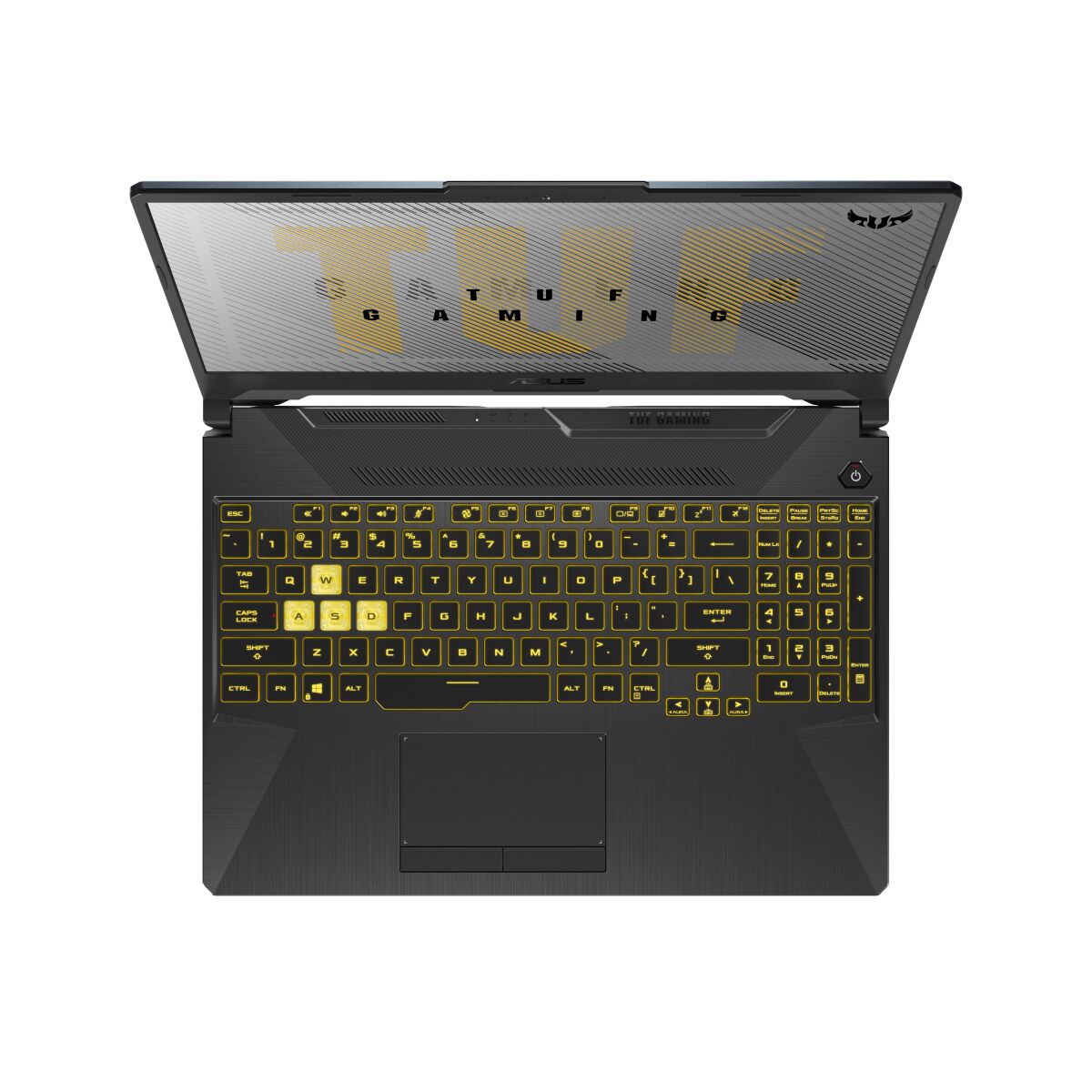
ASUS TUF Gaming F15 FX506LH-HN117T RAM upgrade specifications indicate DDR4-SDRAM memory compatibility with 2x SO-DIMM slots supporting maximum capacity of 32 GB. Memory operates at 2933 MHz frequency. Compatible RAM modules require SO-DIMM form factor. Upgrade options allow installation of matched pairs or single modules to expand system memory capacity within the specified maximum specifications.
Memory Upgrade Specifications
| Specification | Value |
|---|---|
| Memory slots | 2x SO-DIMM |
| Form factor | SO-DIMM |
| Memory type | DDR4-SDRAM |
| Frequency | 2933 MHz |
| Maximum RAM | 32 GB |
| Voltage | 1.2V |
| Number of pins | 260-pin |
| Interface | PC4 |
| PC Speed Rating | PC4-2933 (PC4-23464) |
| Bandwidth | 23.5 GB/s |
| Laptop Release date | 16 April 2021 |
Additional Notes
- The ASUS TUF Gaming FX506LH-HN117T memory controller supports dual-channel architecture through its 2 SO-DIMM slots, enabling symmetric bandwidth when populated with matched capacity modules.
- The 32 GB maximum capacity constraint indicates chipset-level addressing limitations common to 10th generation Intel mobile platforms.
- DDR4-2933 represents JEDEC standard latency timings of CL21, though modules with XMP profiles may revert to this specification if the BIOS lacks profile support.
- SO-DIMM physical dimensions require 67.6 mm length modules with 260-pin configuration, making standard desktop DIMM modules physically incompatible regardless of electrical specifications.
- Mixing 2933 MHz modules with higher-rated memory will force all installed modules to downclock to the lowest common specification.
- Memory bandwidth peaks at 46.93 GB/s in dual-channel configuration, dropping to 23.47 GB/s when only a single slot contains a module.
- Access to memory slots typically requires bottom panel removal, with potential warranty seal placement varying by regional service policies.
- Non-ECC unbuffered modules are required, as ECC or registered configurations will cause POST failures on consumer mobile platforms.
- Single-rank versus dual-rank module topology affects performance in memory-intensive workloads, with 16 GB dual-rank modules often outperforming single-rank equivalents at identical frequencies.
- Operating voltage must conform to DDR4 standard 1.2V specification, as higher-voltage modules designed for overclocking may cause thermal throttling in confined laptop chassis.
- The memory subsystem shares thermal envelope with the CPU package, meaning sustained memory-intensive operations can trigger system-wide frequency scaling.