ASUS TUF Gaming FX506LH-HN268T RAM upgrade specifications


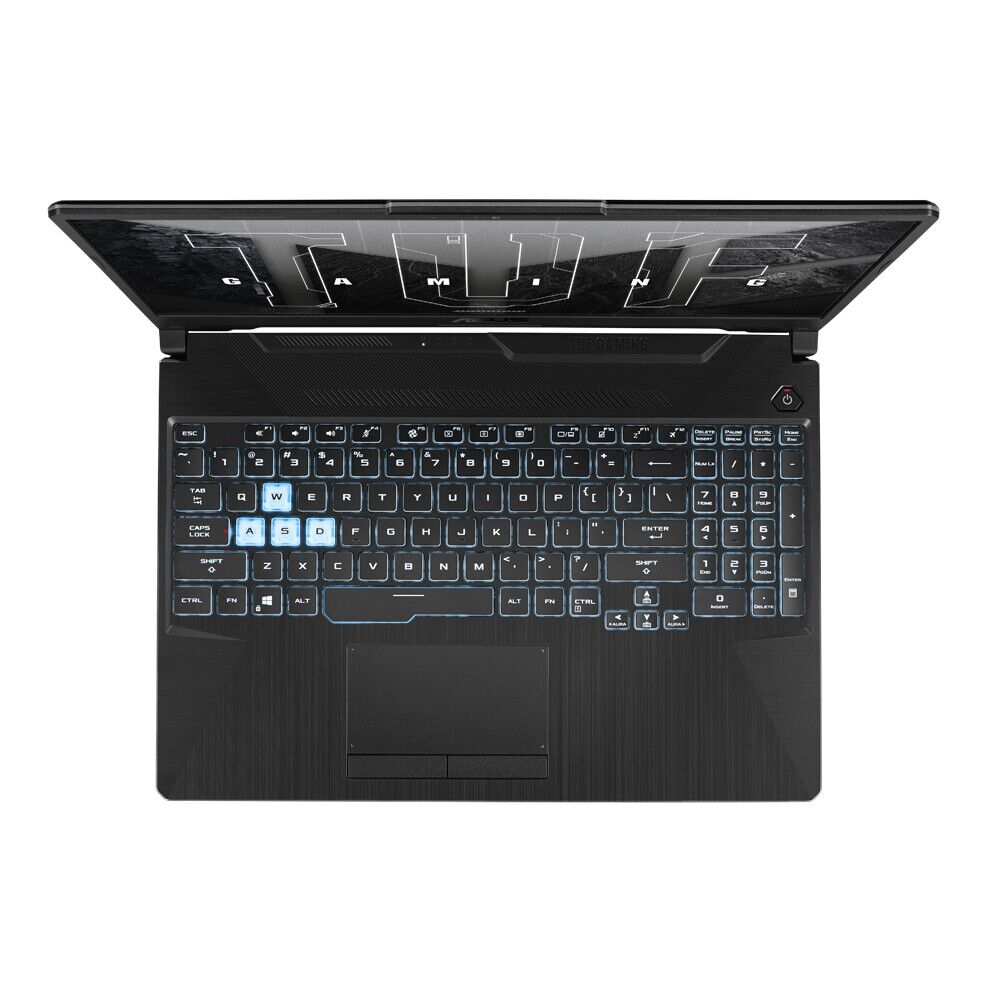
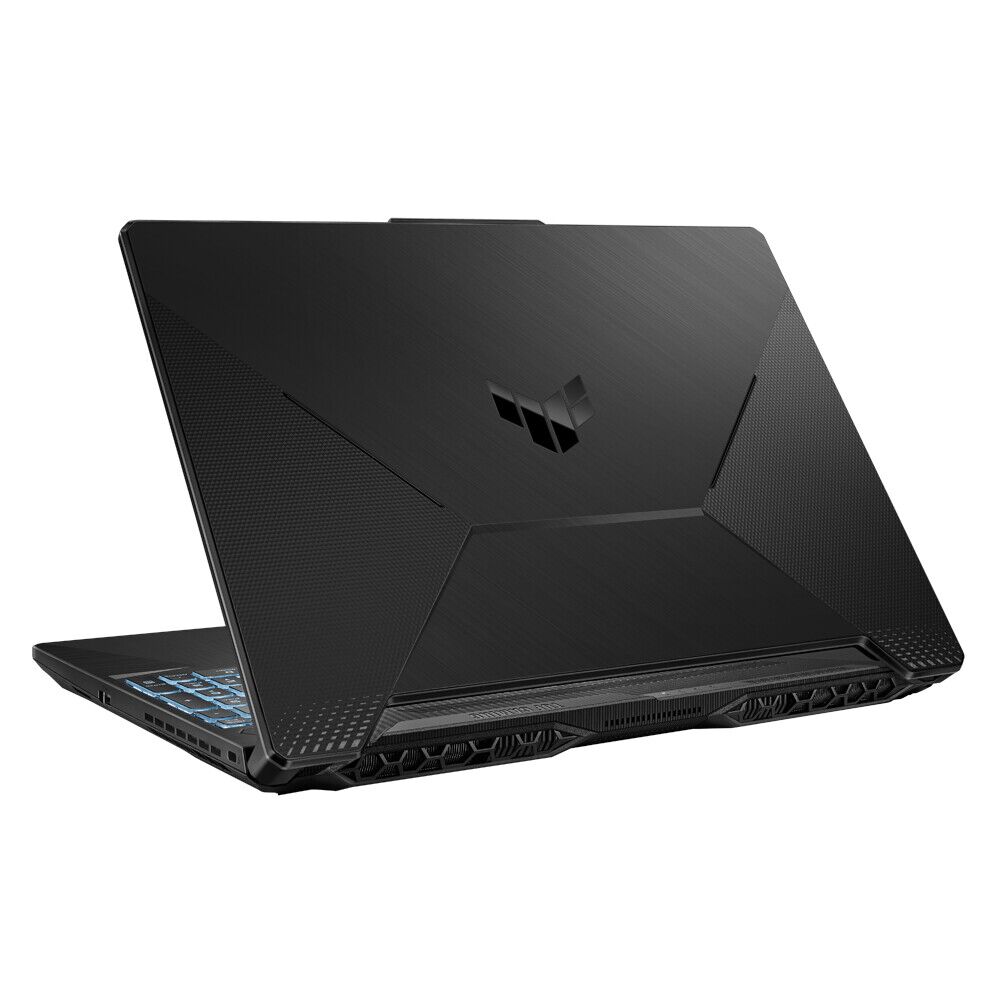
ASUS TUF Gaming F15 series model FX506LH-HN268T supports DDR4-SDRAM memory upgrades with two SO-DIMM slots. Maximum RAM capacity reaches 32 GB total. Memory specifications include DDR4 form factor at 2933 MHz frequency. Compatible upgrade options allow expansion of existing memory configurations within the laptop's designated slots. Specifications indicate supported RAM frequency and maximum addressable memory for compatible DDR4 modules.
Memory Upgrade Specifications
| Specification | Value |
|---|---|
| Memory slots | 2x SO-DIMM |
| Form factor | SO-DIMM |
| Memory type | DDR4-SDRAM |
| Frequency | 2933 MHz |
| Maximum RAM | 32 GB |
| Voltage | 1.2V |
| Number of pins | 260-pin |
| Interface | PC4 |
| PC Speed Rating | PC4-2933 (PC4-23464) |
| Bandwidth | 23.5 GB/s |
| Laptop Release date | 10 April 2021 |
Additional Notes
- The ASUS TUF Gaming FX506LH-HN268T accepts DDR4 modules rated at speeds above 2933 MHz, but the system will automatically downclock them to match the supported frequency, potentially wasting the cost premium of higher-speed modules.
- Dual-channel memory configuration becomes critical for integrated graphics tasks or systems with hybrid GPU switching, as memory bandwidth directly impacts frame buffer performance when the discrete GPU is not engaged.
- Installing a single module sacrifices half the available memory bandwidth compared to matched pairs, creating potential performance penalties in memory-intensive applications even if total capacity meets requirements.
- The 32 GB ceiling requires 2 modules of 16 GB each to reach maximum capacity, eliminating the option to preserve existing modules while upgrading incrementally without discarding hardware.
- SO-DIMM modules with different voltages or timings than factory-installed memory may force the system to run all modules at the slowest common specifications, degrading performance of faster modules to match the lowest tier.
- Most gaming laptop warranties remain intact during user-accessible memory upgrades, but verifying slot location accessibility through documentation prevents accidental violation of seal-protected service areas.
- Mixing modules from different manufacturers increases the likelihood of incompatibility issues or POST failures, even when specifications appear identical on product listings.
- Temperature management becomes relevant at maximum capacity, as fully populated slots generate additional heat in the confined laptop chassis compared to single-module configurations.