ASUS TUF Gaming FX506LHB-HN323W RAM upgrade specifications

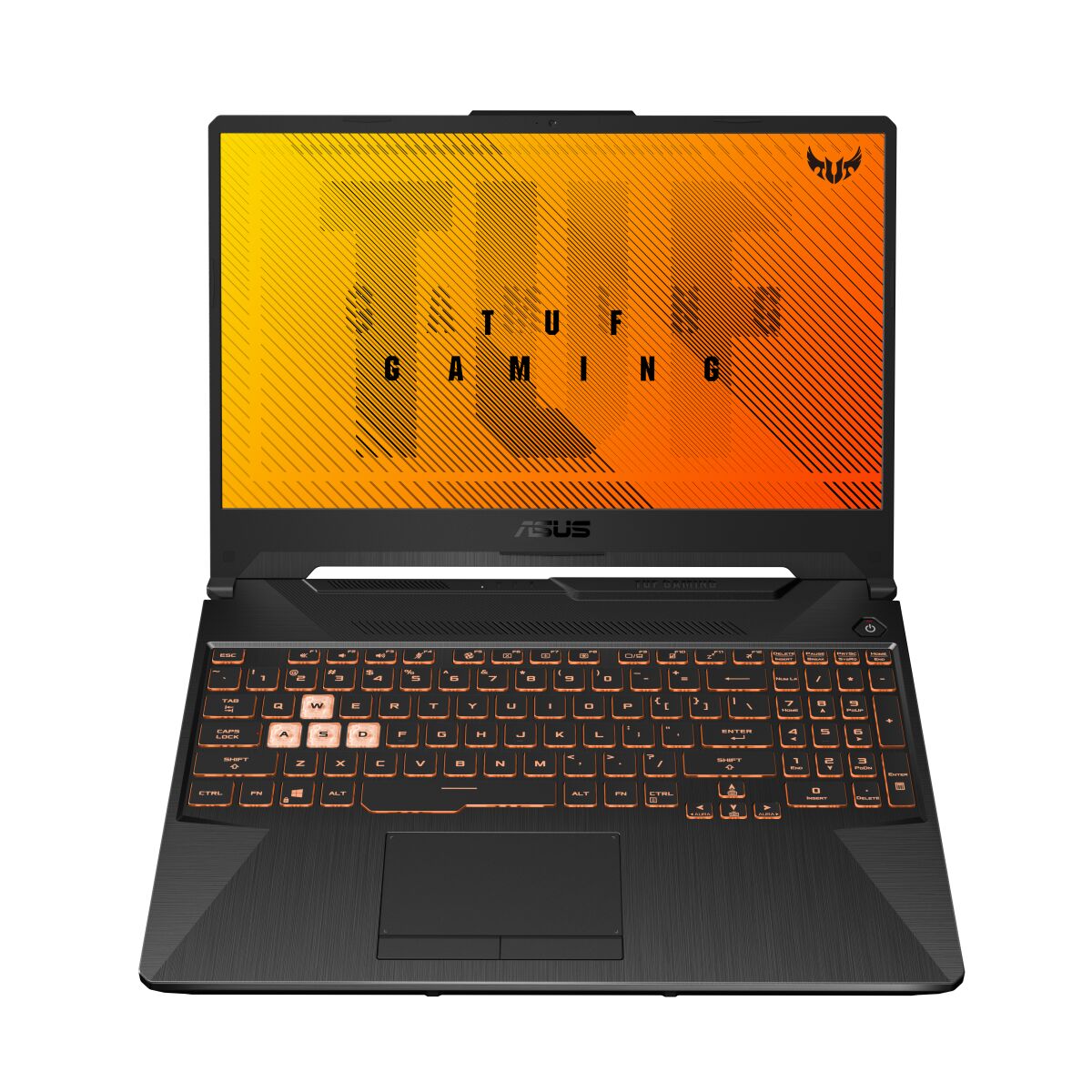
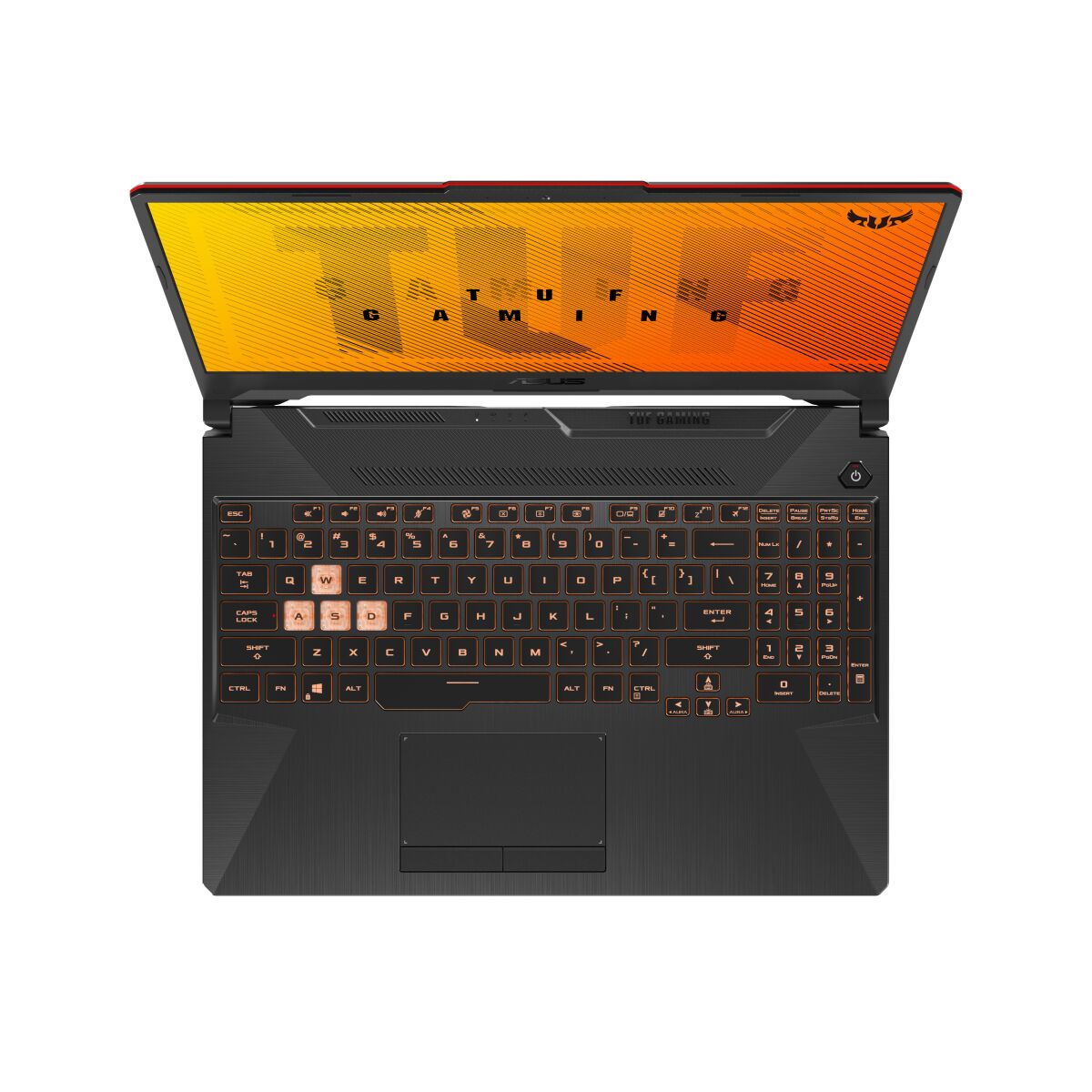
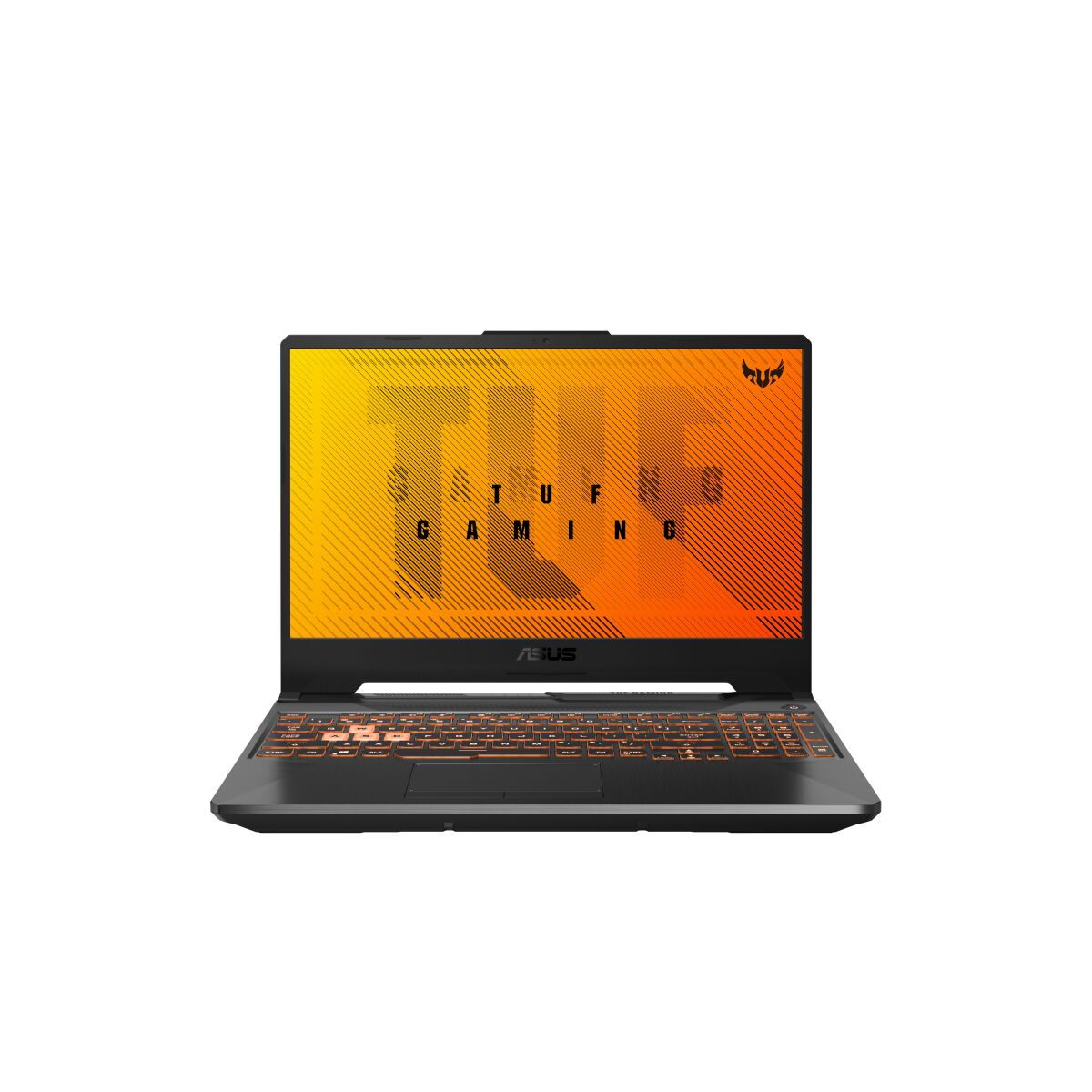
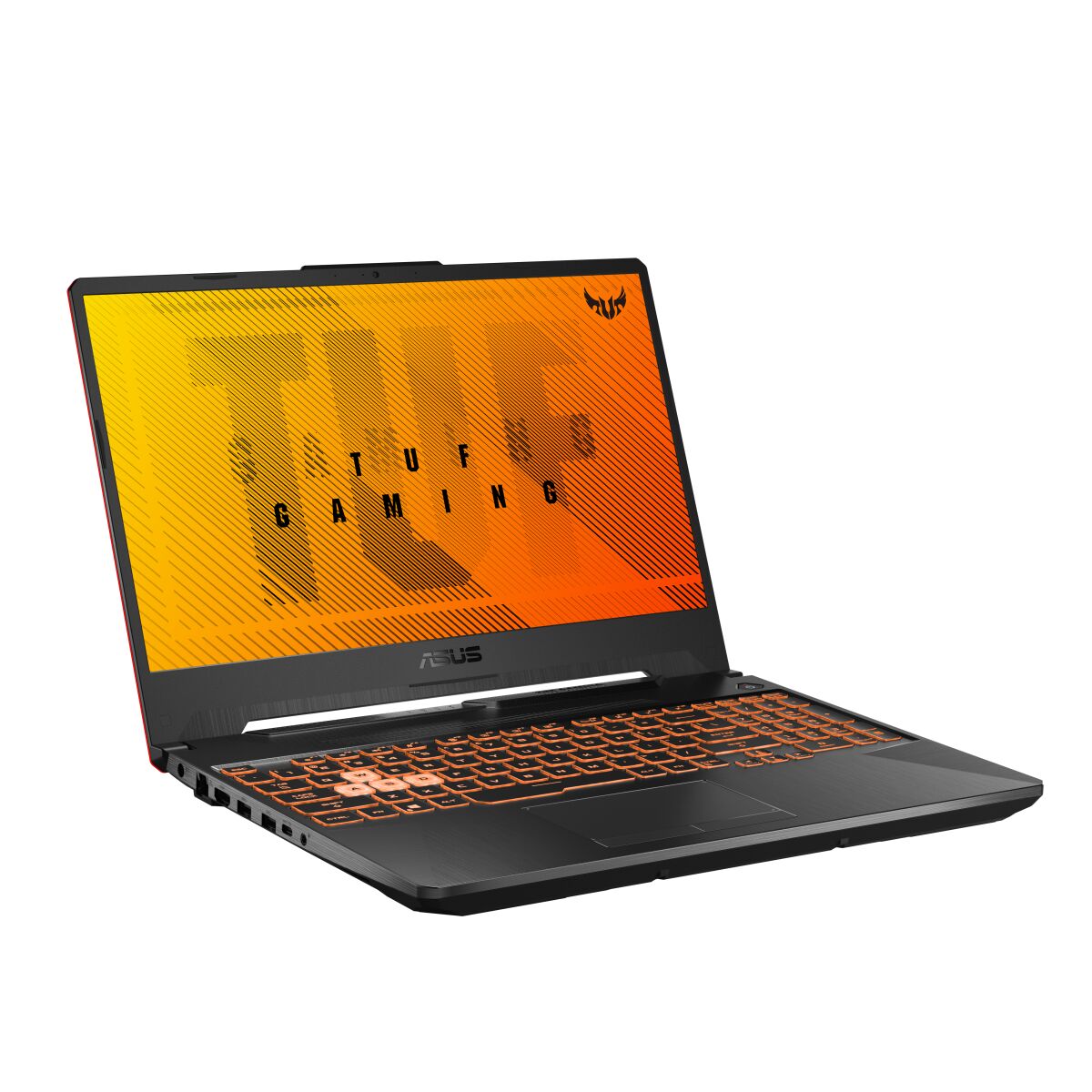
ASUS TUF Gaming F15 FX506LHB-HN323W RAM upgrade specifications indicate DDR4-SDRAM memory compatibility with 2x SO-DIMM slots. Maximum supported capacity reaches 32 GB total memory. Compatible modules operate at 2933 MHz frequency. SO-DIMM form factor specifications are required for upgrade compatibility. Current memory configuration supports performance enhancements through additional DDR4 modules. Slot availability enables memory expansion to maximum capacity specifications.
Memory Upgrade Specifications
| Specification | Value |
|---|---|
| Memory slots | 2x SO-DIMM |
| Form factor | SO-DIMM |
| Memory type | DDR4-SDRAM |
| Frequency | 2933 MHz |
| Maximum RAM | 32 GB |
| Voltage | 1.2V |
| Number of pins | 260-pin |
| Interface | PC4 |
| PC Speed Rating | PC4-2933 (PC4-23464) |
| Bandwidth | 23.5 GB/s |
| Laptop Release date | 22 April 2022 |
Additional Notes
- The 32 GB ceiling reflects Intel 10th generation Core processor memory controller limitations rather than motherboard restrictions.
- Modules exceeding 2933 MHz will downclock automatically to match the validated frequency, eliminating any performance gains from higher-rated kits.
- Both slots must be populated with identical capacity modules to maintain dual-channel bandwidth, as single-channel configuration halves memory throughput and reduces integrated GPU performance.
- Non-standard voltage modules rated at 1.35V or higher risk stability issues, as the ASUS TUF Gaming FX506LHB-HN323W expects JEDEC-compliant 1.2V SO-DIMMs.
- Installing single-rank and dual-rank modules simultaneously forces the memory controller to operate all modules in single-rank mode, degrading bandwidth efficiency.
- The bottom-panel access design requires complete disassembly to reach memory slots, voiding certain regional warranty terms if damaged during user installation.
- Thermal limitations in the confined chassis make high-density 32 GB configurations (2x16 GB) more susceptible to throttling under sustained workloads compared to 16 GB arrangements.
- Non-XMP standard modules are mandatory, as SO-DIMM slots lack the SPD profile support found in desktop implementations.
- CAS latency differences between installed modules cause the system to adopt the slower timing across both channels, negating any advertised latency advantages.
- The soldered wireless card shares PCIe bandwidth pathways with memory controller operations, creating potential I/O contention during simultaneous high-speed transfers.