ASUS TUF Gaming FX506LHB-HN345 RAM upgrade specifications
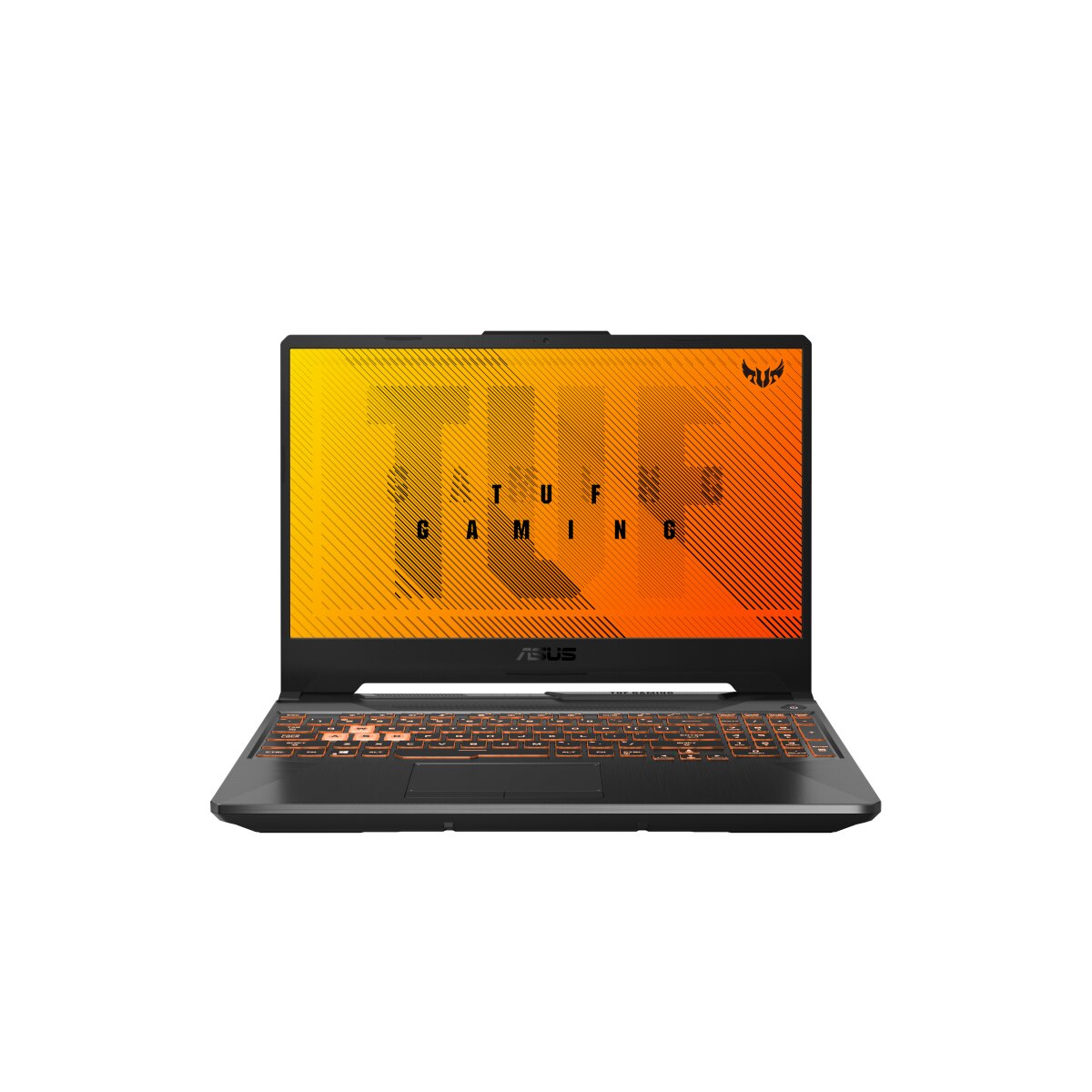
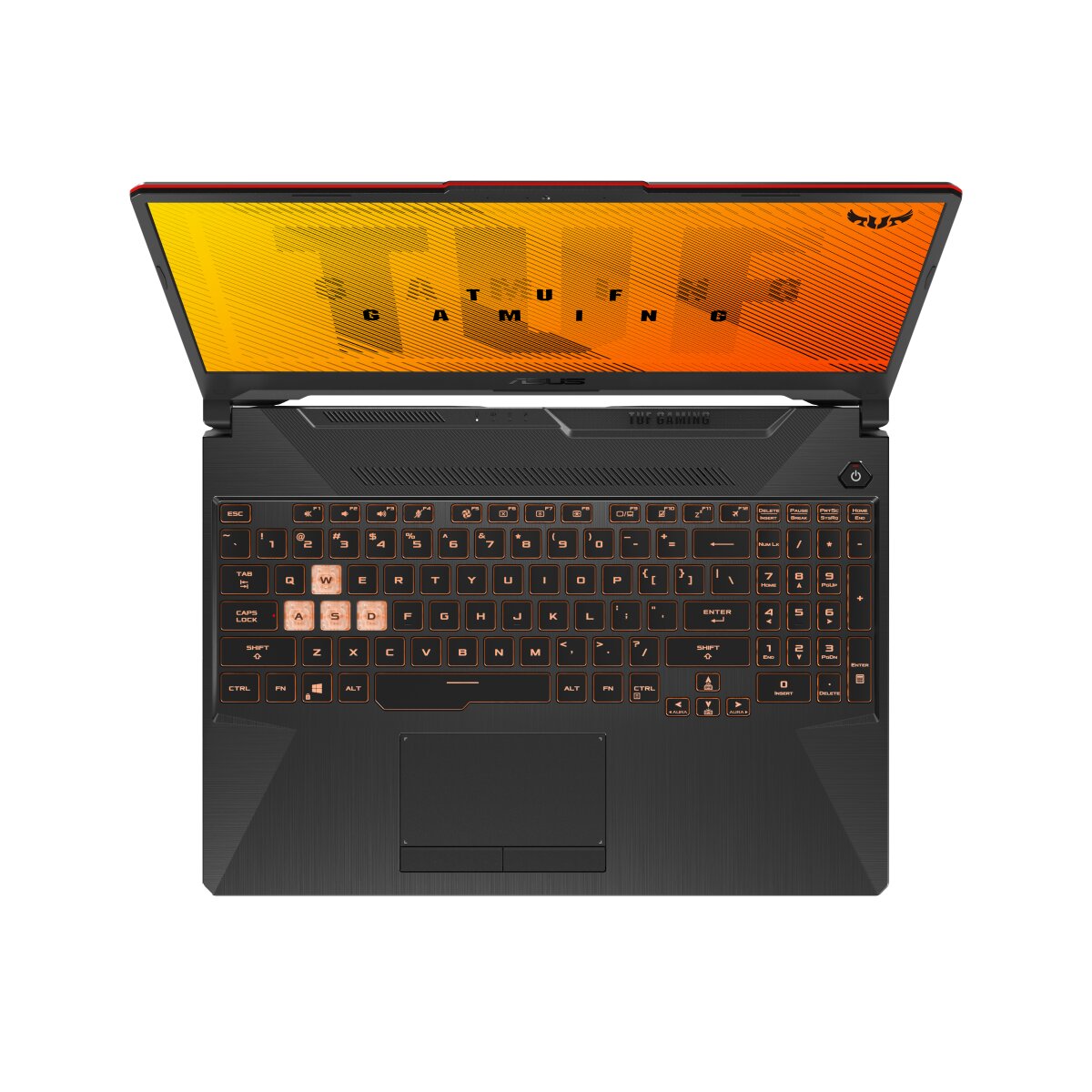


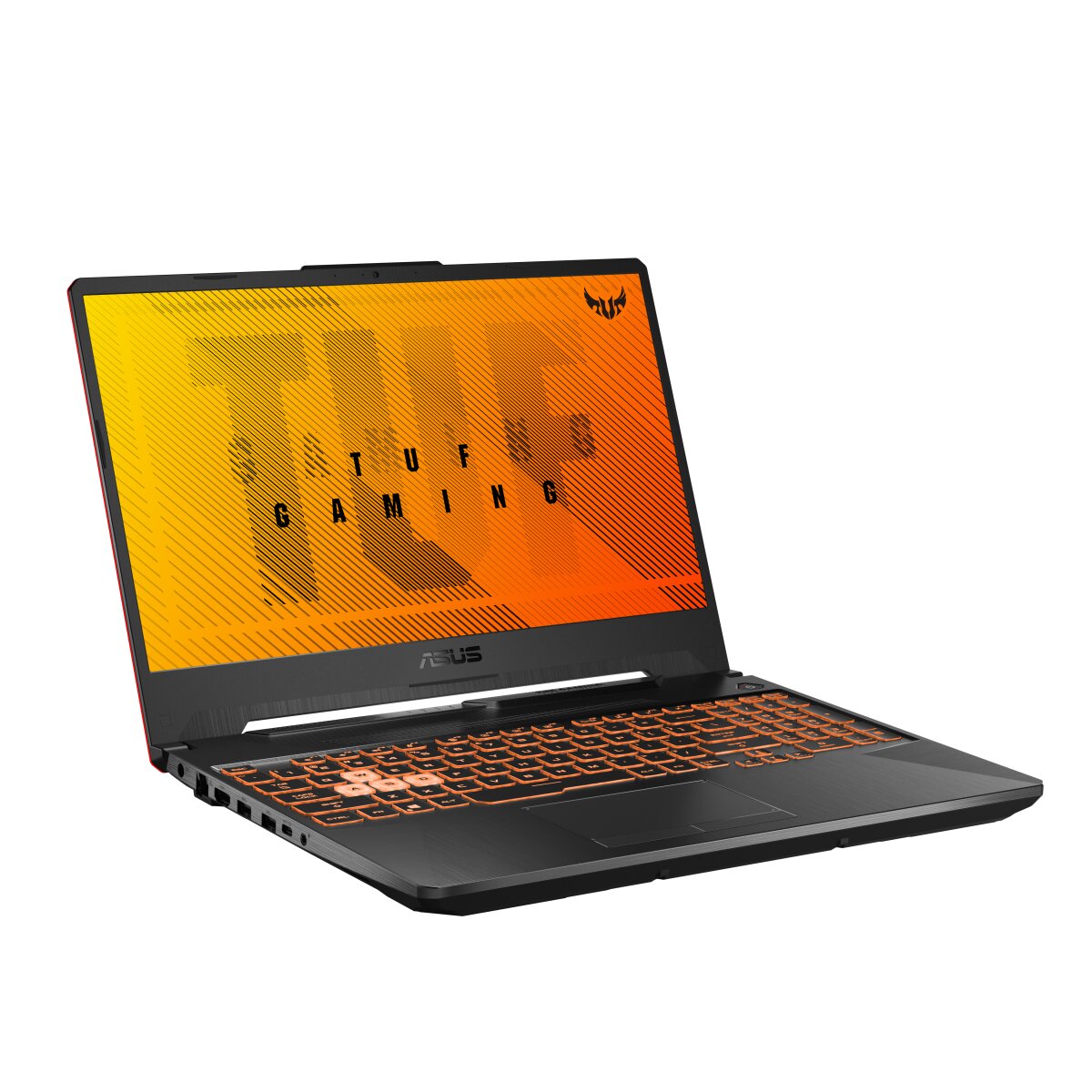
ASUS TUF Gaming F15 FX506LHB-HN345 supports DDR4-SDRAM memory upgrades with specifications including two SO-DIMM slots and maximum capacity of 32 GB. Compatible memory operates at 2933 MHz frequency. Upgrade slots accept standard SO-DIMM form factor modules. Maximum memory capacity specifications detail the upper limit for compatible RAM installations on this FX506LHB-HN345 gaming laptop model.
Memory Upgrade Specifications
| Specification | Value |
|---|---|
| Memory slots | 2x SO-DIMM |
| Form factor | SO-DIMM |
| Memory type | DDR4-SDRAM |
| Frequency | 2933 MHz |
| Maximum RAM | 32 GB |
| Voltage | 1.2V |
| Number of pins | 260-pin |
| Interface | PC4 |
| PC Speed Rating | PC4-2933 (PC4-23464) |
| Bandwidth | 23.5 GB/s |
| Laptop Release date | 28 September 2022 |
Additional Notes
- Dual slot architecture confirms that achieving maximum bandwidth requires installing modules in pairs to enable symmetrical dual channel operation.
- The 2933 MHz frequency limit indicates a hard ceiling set by the integrated memory controller of the processor, meaning faster modules like 3200 MHz will automatically downclock to match the system bus.
- Upgrading the ASUS TUF Gaming FX506LHB-HN345 to 32 GB necessitates the removal of all factory installed modules because the physical layout lacks additional unoccupied expansion points.
- Non ECC unbuffered SO-DIMM modules are required for compatibility as the hardware does not support error correction code memory typically used in server environments.
- Latency timings should be matched between slots to prevent the motherboard from defaulting to the slowest common denominator, which would degrade overall system responsiveness.
- Physical access to the memory slots requires the removal of the entire lower chassis panel, involving various screw lengths that must be tracked for correct reassembly.
- Voltage requirements are fixed at 1.2V for standard DDR4, so high performance modules requiring 1.35V via XMP profiles will not reach their rated speeds due to BIOS limitations.