ASUS TUF Gaming FX506LHB-HN347W RAM upgrade specifications
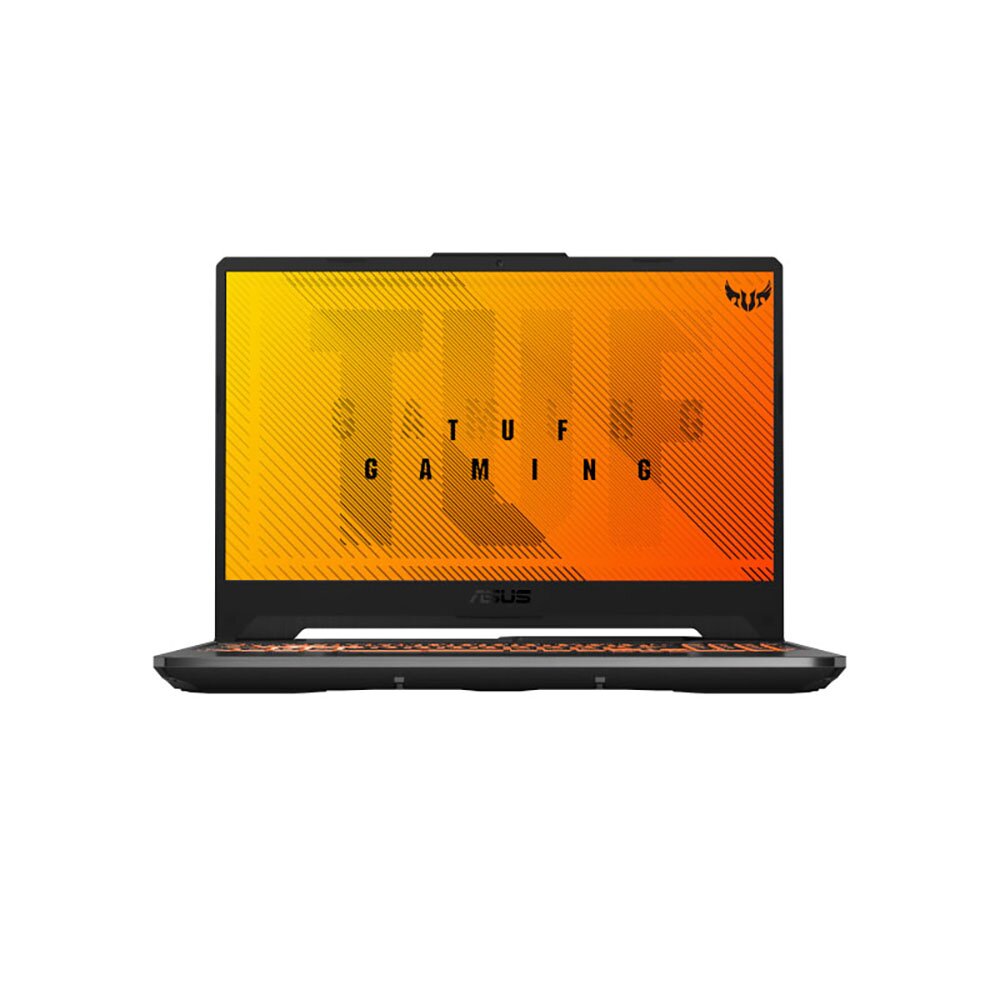
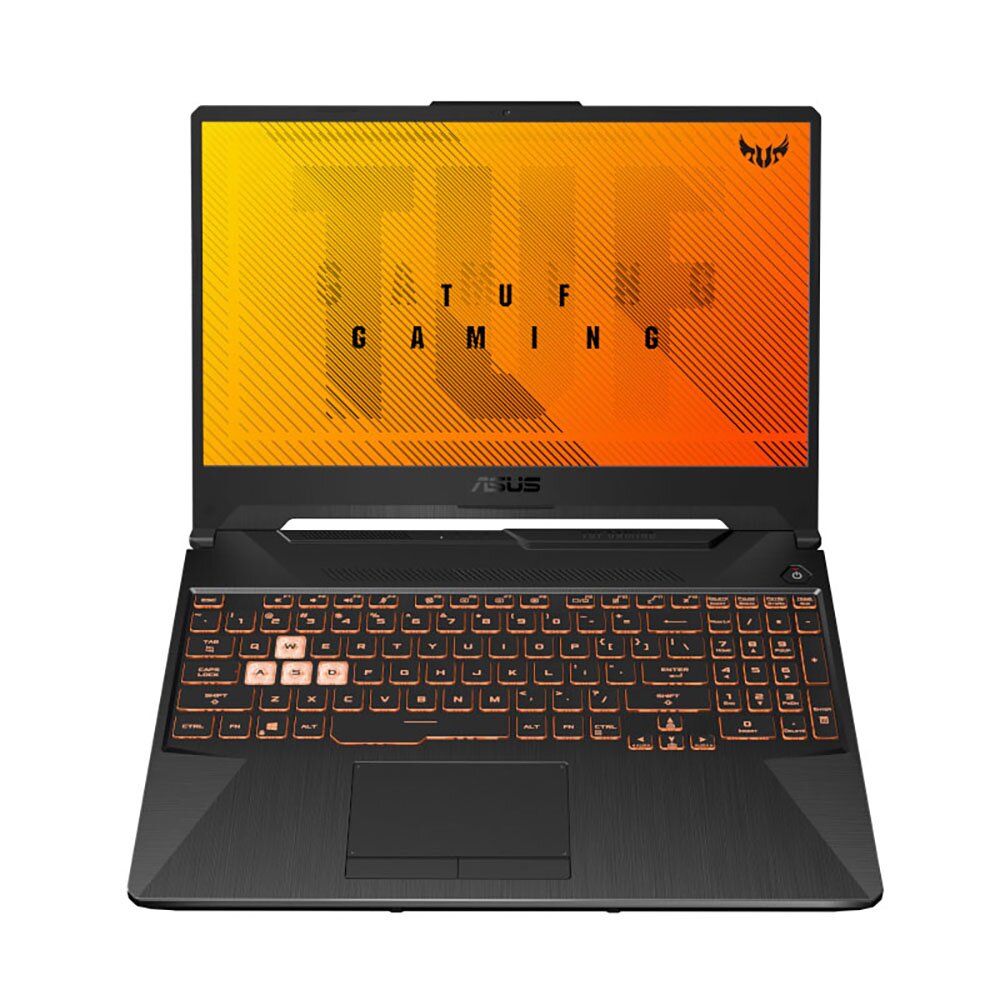
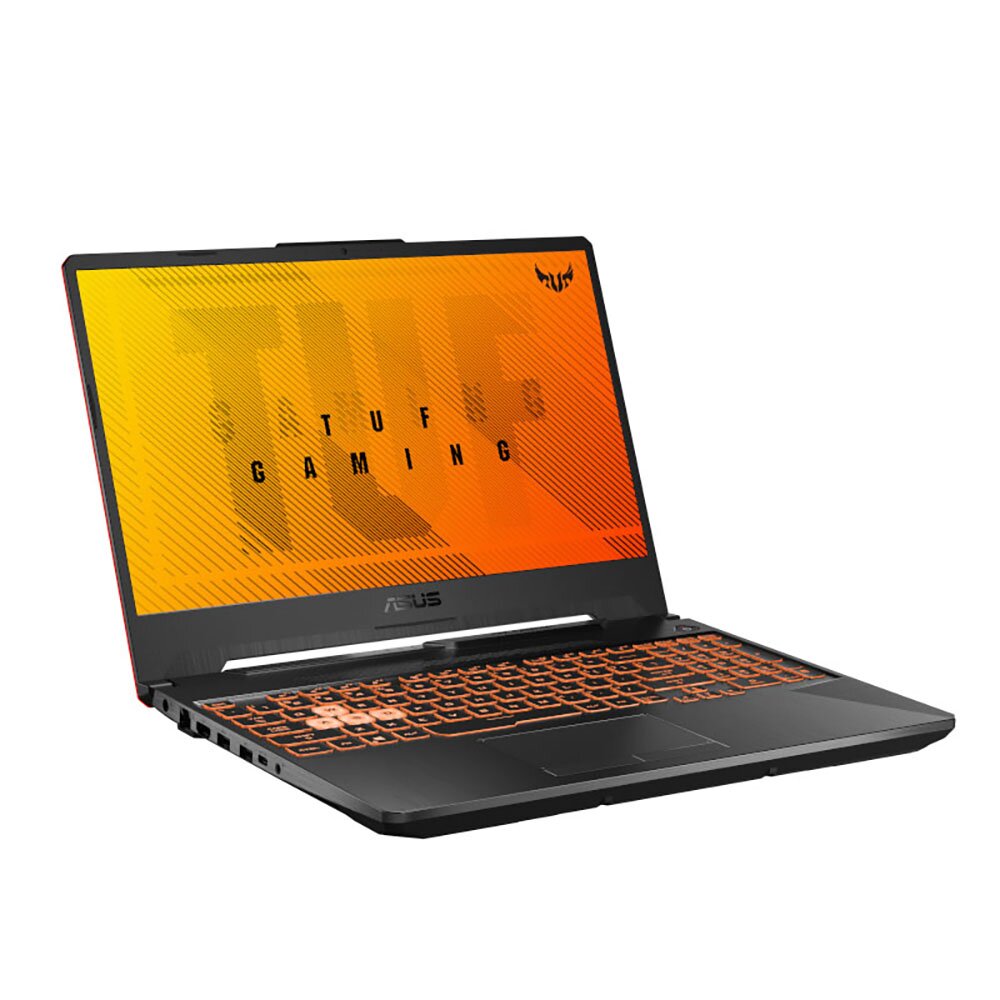
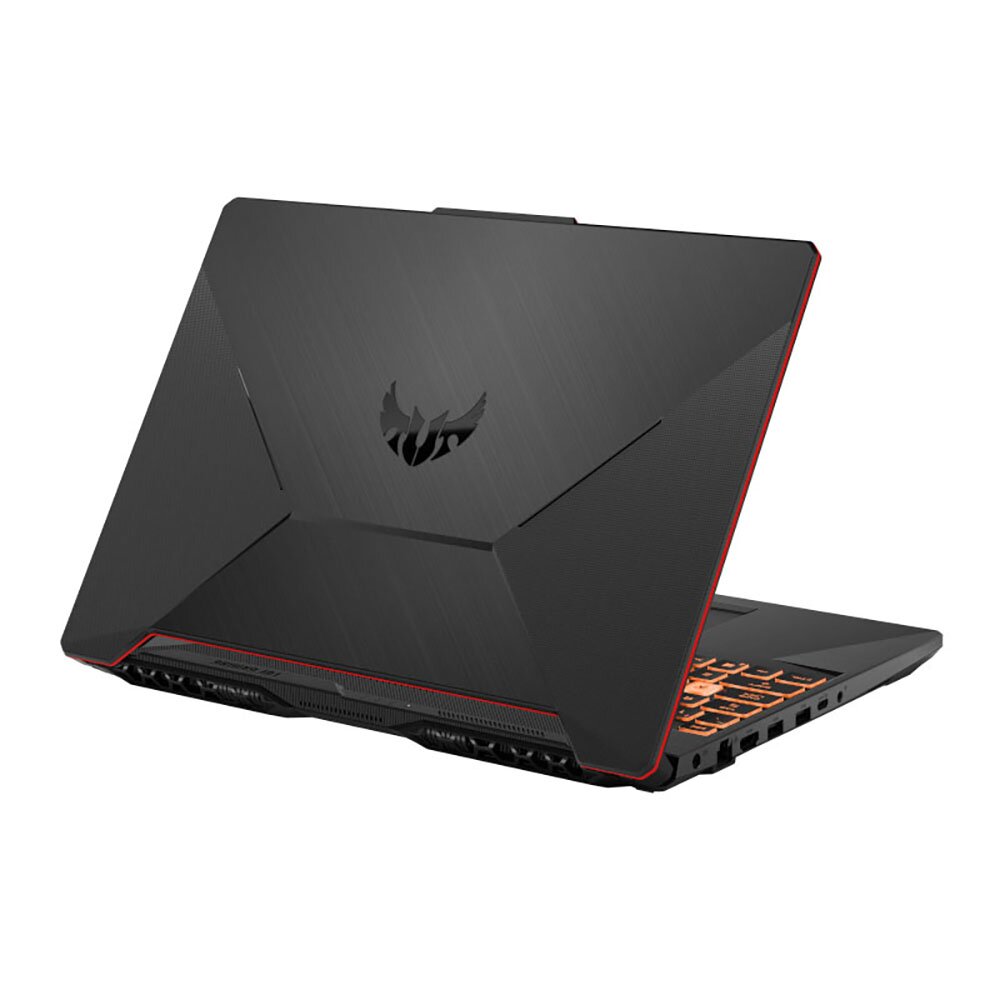
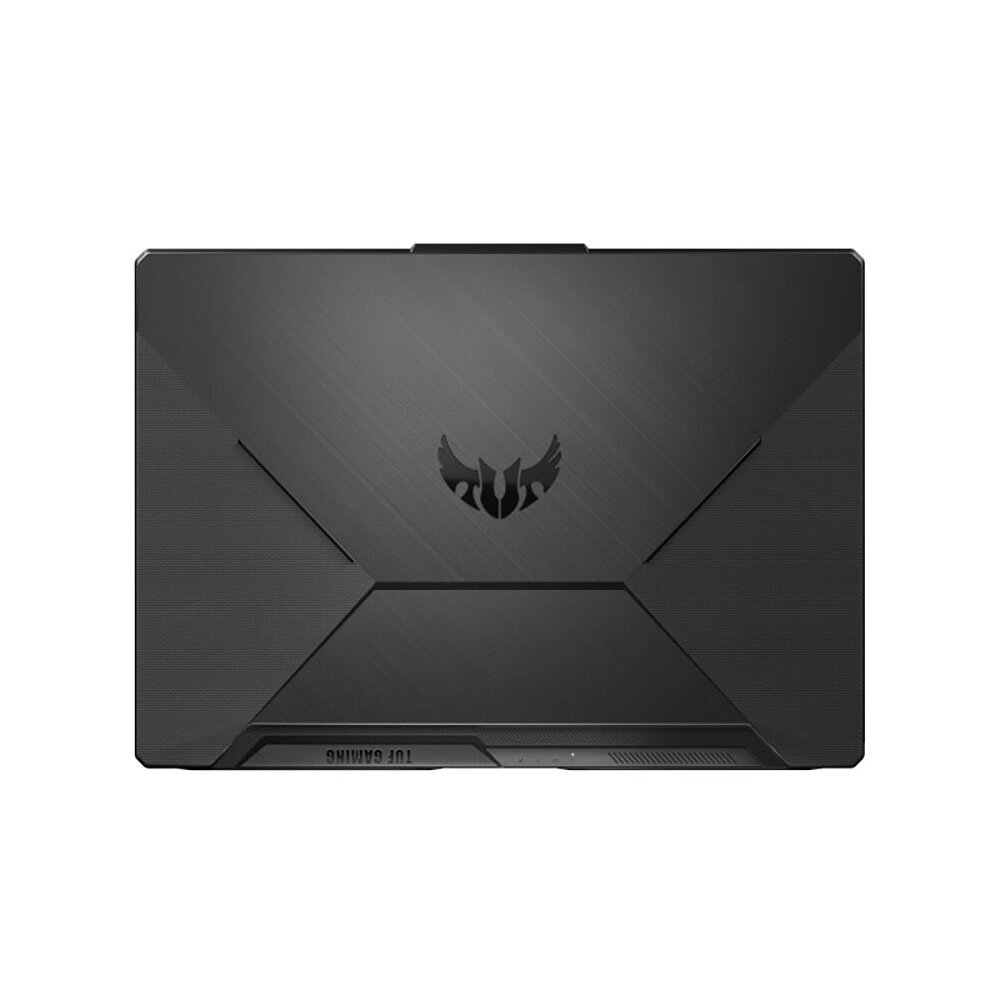
ASUS TUF Gaming F15 FX506LHB-HN347W features two SO-DIMM slots supporting DDR4-SDRAM memory upgrades. Maximum RAM capacity reaches 32 GB total, with compatible memory operating at 2933 MHz frequency. Upgrade specifications indicate support for SO-DIMM form factor modules. Memory expansion on the FX506LHB-HN347W gaming laptop allows configuration of dual-channel DDR4 architecture up to the stated maximum capacity. Compatible RAM upgrades require DDR4-SDRAM modules meeting the specified frequency and form factor requirements for optimal performance and compatibility with the TUF Gaming series specifications.
Memory Upgrade Specifications
| Specification | Value |
|---|---|
| Memory slots | 2x SO-DIMM |
| Form factor | SO-DIMM |
| Memory type | DDR4-SDRAM |
| Frequency | 2933 MHz |
| Maximum RAM | 32 GB |
| Voltage | 1.2V |
| Number of pins | 260-pin |
| Interface | PC4 |
| PC Speed Rating | PC4-2933 (PC4-23464) |
| Bandwidth | 23.5 GB/s |
| Laptop Release date | 13 October 2022 |
Additional Notes
- Dual channel memory architecture requires installing matching pairs of modules to maximize the available memory bandwidth of the ASUS TUF Gaming FX506LHB-HN347W system.
- The presence of 2 physical SO-DIMM slots implies that reaching the 32 GB maximum threshold necessitates replacing existing lower capacity modules rather than adding to them.
- Installing memory modules with speeds exceeding 2933 MHz results in automatic downclocking to the clock cycle supported by the integrated memory controller.
- Accessing the internal memory slots typically requires the removal of the bottom chassis cover which may involve static discharge risks if handled without grounded equipment.
- Synchronous Dynamic Random Access Memory technology dictates that system latency depends on both the 2933 MHz frequency and the specific Column Address Strobe timings of the chosen modules.
- Physical height limitations within the laptop chassis restrict the use of SO-DIMM modules with integrated thick heat spreaders or non-standard cooling attachments.
- Total system memory capacity determines the overhead available for background tasks during high demand gaming or rendering scenarios without relying on slower disk based swap files.