ASUS TUF Gaming FX506LHB-HN364W RAM upgrade specifications
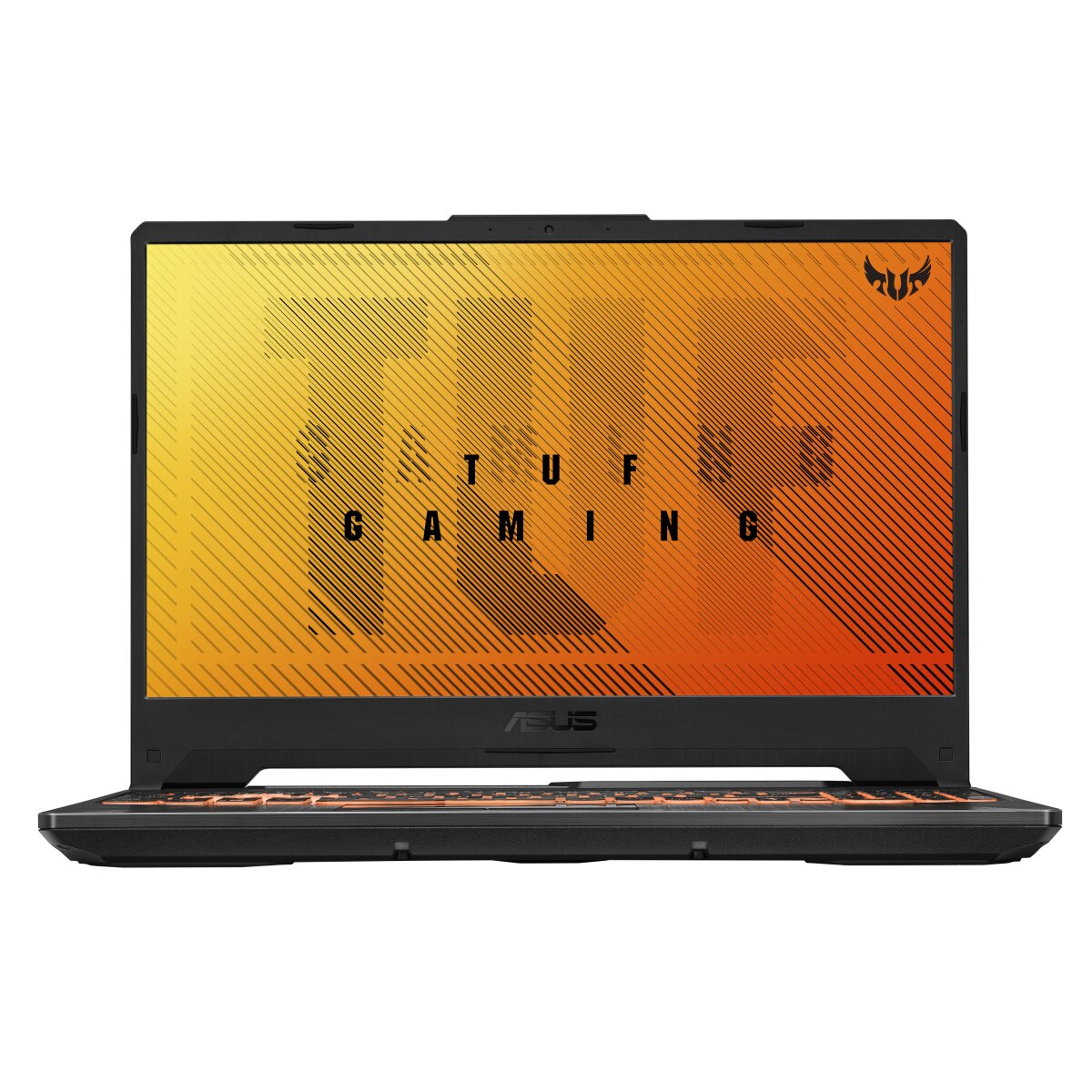
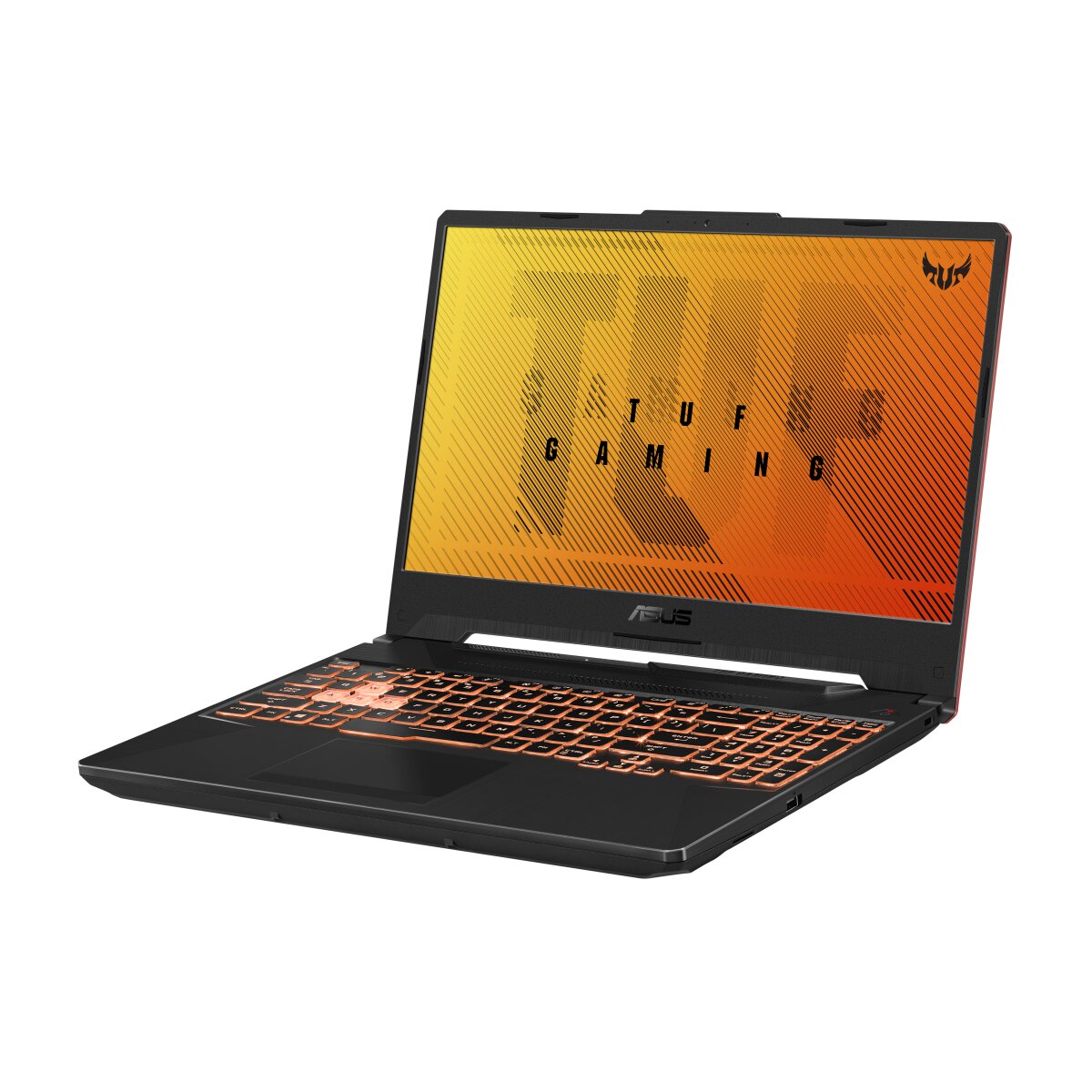
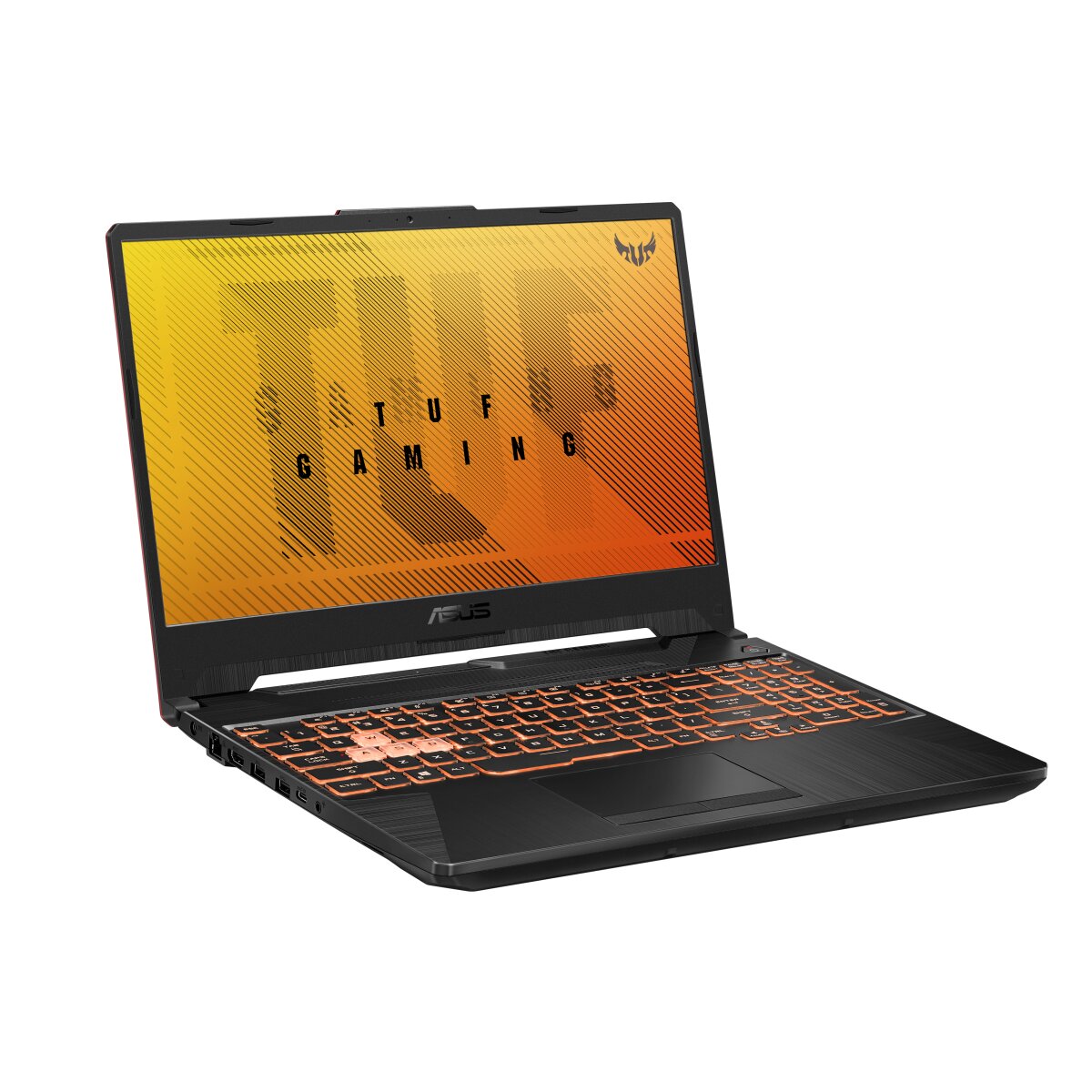
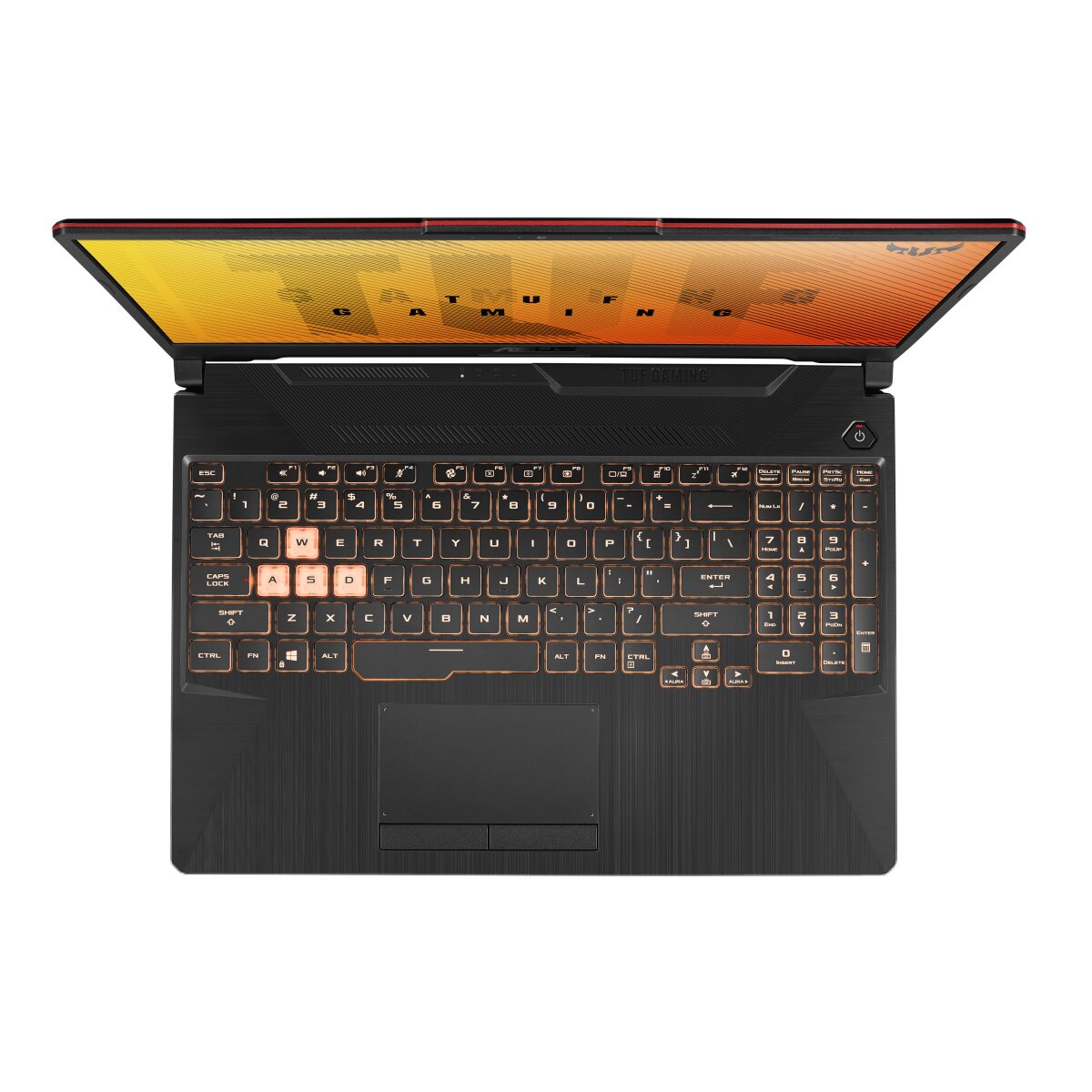

The ASUS TUF Gaming F15 series model FX506LHB-HN364W features DDR4-SDRAM memory upgrade specifications. The laptop contains 2x SO-DIMM slots compatible with DDR4 modules operating at 2500 MHz frequency. Maximum RAM capacity reaches 32 GB total memory when both slots are populated with compatible upgrades. SO-DIMM form factor memory modules are required for compatible installations in this gaming laptop model.
Memory Upgrade Specifications
| Specification | Value |
|---|---|
| Memory slots | 2x SO-DIMM |
| Form factor | SO-DIMM |
| Memory type | DDR4-SDRAM |
| Frequency | 2500 MHz |
| Maximum RAM | 32 GB |
| Voltage | 1.2V |
| Number of pins | 260-pin |
| Interface | PC4 |
| PC Speed Rating | PC4-2500 (PC4-20000) |
| Bandwidth | 20 GB/s |
| Laptop Release date | 22 October 2022 |
Additional Notes
- The ASUS TUF Gaming FX506LHB-HN364W contains 2 SO-DIMM slots operating at 2500 MHz, establishing a hard ceiling of 32 GB total capacity regardless of module configuration.
- DDR4-2500 MHz represents the memory controller's rated speed; third-party modules rated for higher frequencies (3000, 3200 MHz) will throttle to 2500 MHz or lower due to JEDEC standard compatibility constraints.
- SO-DIMM form factor restricts upgrades to notebook-class memory modules; desktop DDR4 DIMMs are mechanially incompatible and will not physically seat in the slots.
- Both memory slots require identical capacity modules to achieve dual-channel performance; populating mismatched capacities (e.g., 8 GB + 16 GB) forces operation in flex mode, degrading memory bandwidth by approximately 10-15 percent.
- Removing or replacing factory-installed modules typically remains within manufacturer warranty provisions if performed without physical damage to connectors, though soldered components on the mainboard itself cannot be serviced by end-users.
- The 2500 MHz frequency limitation may cause minor performance headroom loss in memory-bandwidth-sensitive workloads (3D rendering, video encoding, high-refresh gaming) compared to systems equipped with DDR4-3200 controllers, though CPU and GPU bottlenecks will dominate in most gaming scenarios.