ASUS TUF Gaming FX506LHB-HN384W RAM upgrade specifications

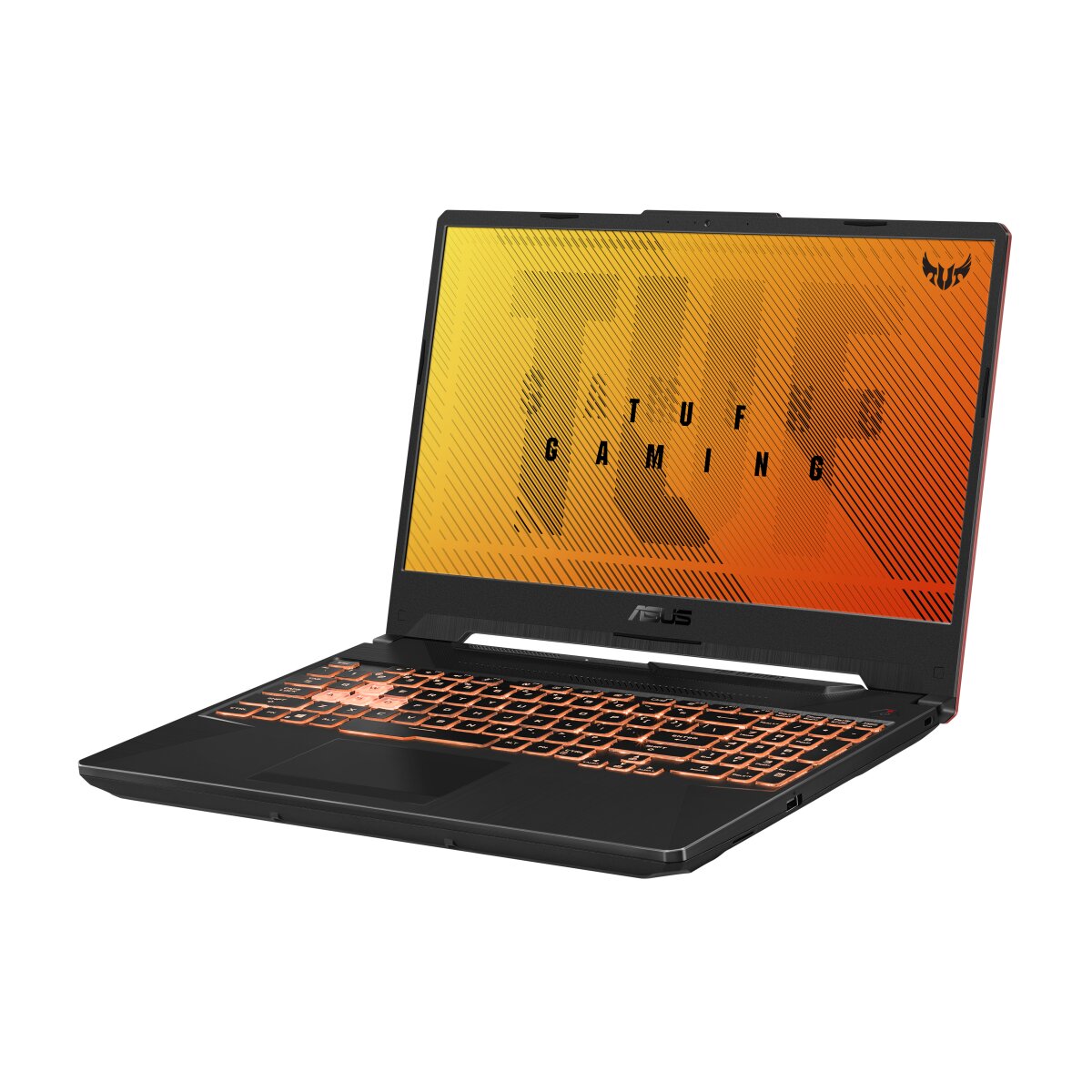
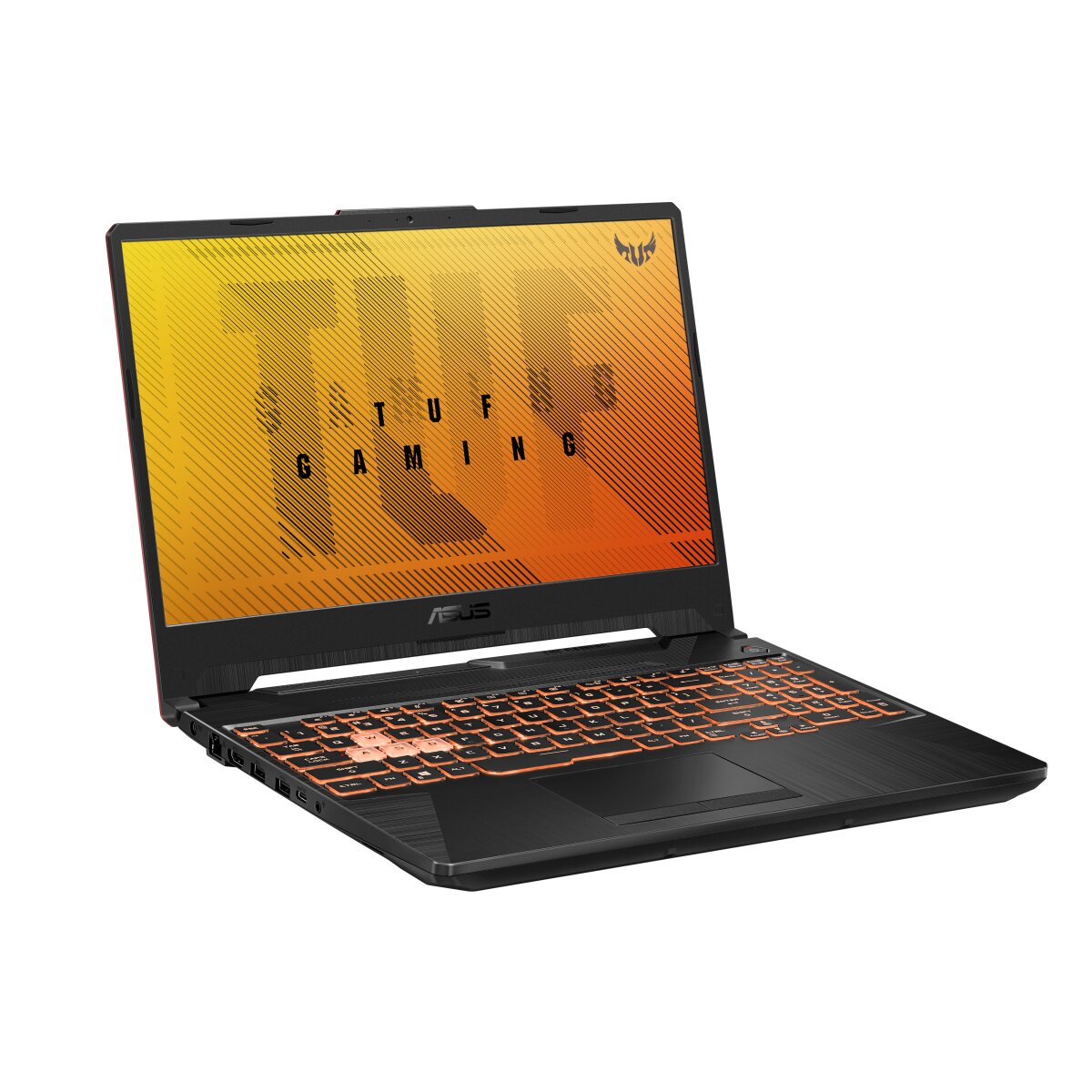
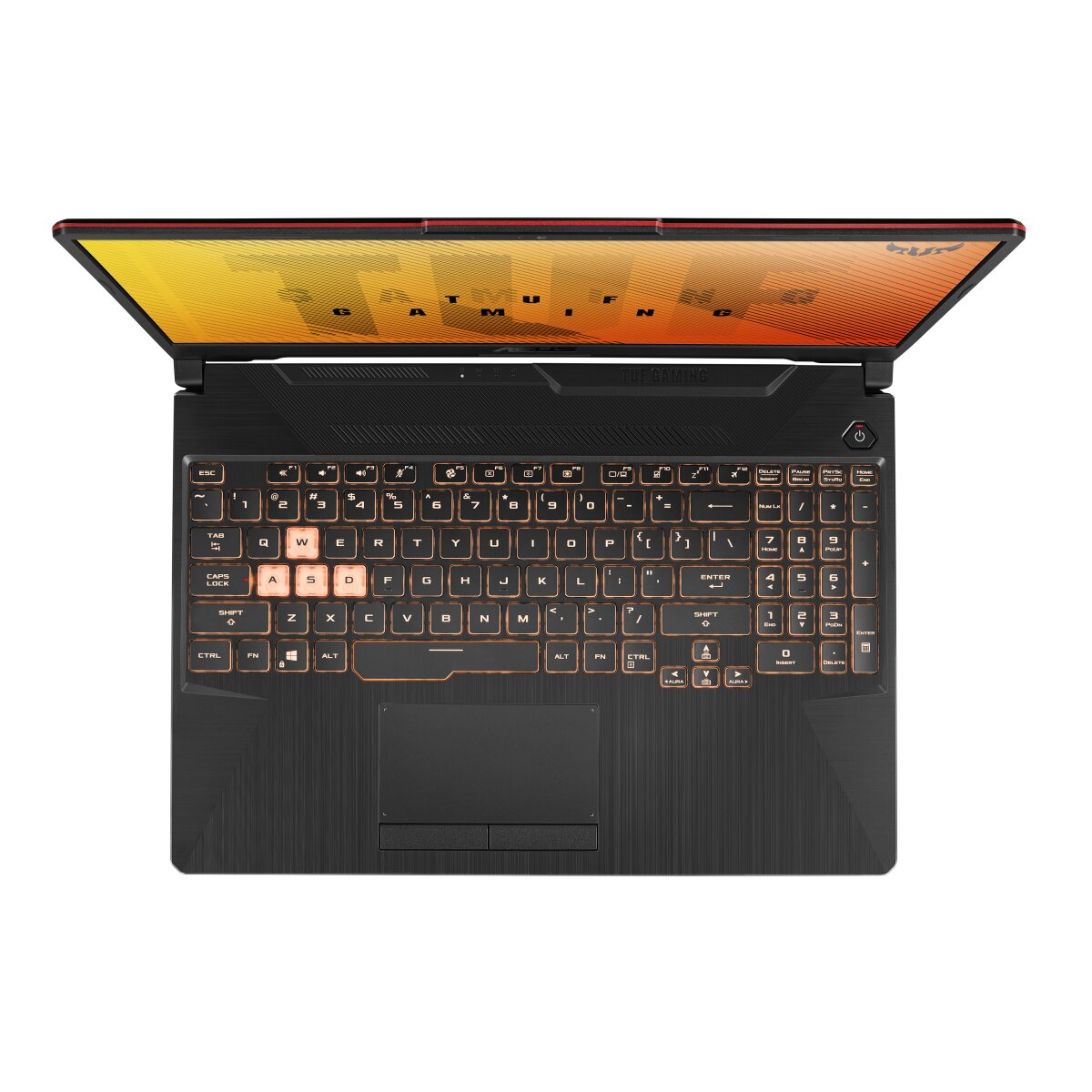

The ASUS TUF Gaming F15 FX506LHB-HN384W laptop features DDR4-SDRAM memory upgrade specifications with two SO-DIMM slots supporting a maximum capacity of 32 GB. The memory operates at 2500 MHz frequency. Compatible RAM upgrades utilize the SO-DIMM form factor, allowing users to expand the laptop's memory configuration. Specifications indicate support for standard DDR4 technology, enabling flexible memory expansion to enhance system performance and multitasking capabilities.
Memory Upgrade Specifications
| Specification | Value |
|---|---|
| Memory slots | 2x SO-DIMM |
| Form factor | SO-DIMM |
| Memory type | DDR4-SDRAM |
| Frequency | 2500 MHz |
| Maximum RAM | 32 GB |
| Voltage | 1.2V |
| Number of pins | 260-pin |
| Interface | PC4 |
| PC Speed Rating | PC4-2500 (PC4-20000) |
| Bandwidth | 20 GB/s |
Additional Notes
- The ASUS TUF Gaming FX506LHB-HN384W utilizes a dual-channel memory architecture that requires matched pairs for optimal bandwidth utilization in gaming workloads.
- The 32 GB maximum capacity is enforced by the processor's memory controller rather than chipset limitations, making further expansion beyond this threshold impossible regardless of module availability.
- The 2500 MHz frequency specification indicates JEDEC standard operation at DDR4-2500, though the installed modules may support higher speeds that remain dormant due to processor or BIOS frequency locking.
- Both SO-DIMM slots are typically accessible through a single bottom panel, eliminating the need for full disassembly during upgrade procedures.
- Mixing memory modules with different frequencies will force all modules to operate at the speed of the slowest component, creating a performance ceiling below the system's potential.
- The DDR4 SO-DIMM standard operates at 1.2V, and attempting to install higher-voltage DDR3L modules will result in physical incompatibility due to notch positioning differences.
- Upgrading from single-channel to dual-channel configuration can yield measurable frame rate improvements in GPU-dependent titles where the integrated or discrete graphics share system memory bandwidth.
- The memory controller's native support for DDR4-3200 in many 10th generation Intel processors suggests potential performance being left on the table if only 2500 MHz modules are installed.
- ECC memory modules are incompatible with this consumer-grade platform, as the processor lacks error-correction functionality even if physically installable modules are sourced.
- Warranty preservation requires avoiding component damage during installation, though memory upgrades themselves typically do not void coverage under most regional consumer protection regulations.
- Thermal considerations become relevant at maximum capacity, as densely populated slots generate additional heat in the confined laptop chassis during sustained memory-intensive operations.
- Non-standard or overclocked XMP profiles will generally revert to JEDEC specifications in laptop BIOS implementations that lack manual timing adjustment capabilities.