ASUS TUF Gaming FX506LI-BQ051T RAM upgrade specifications

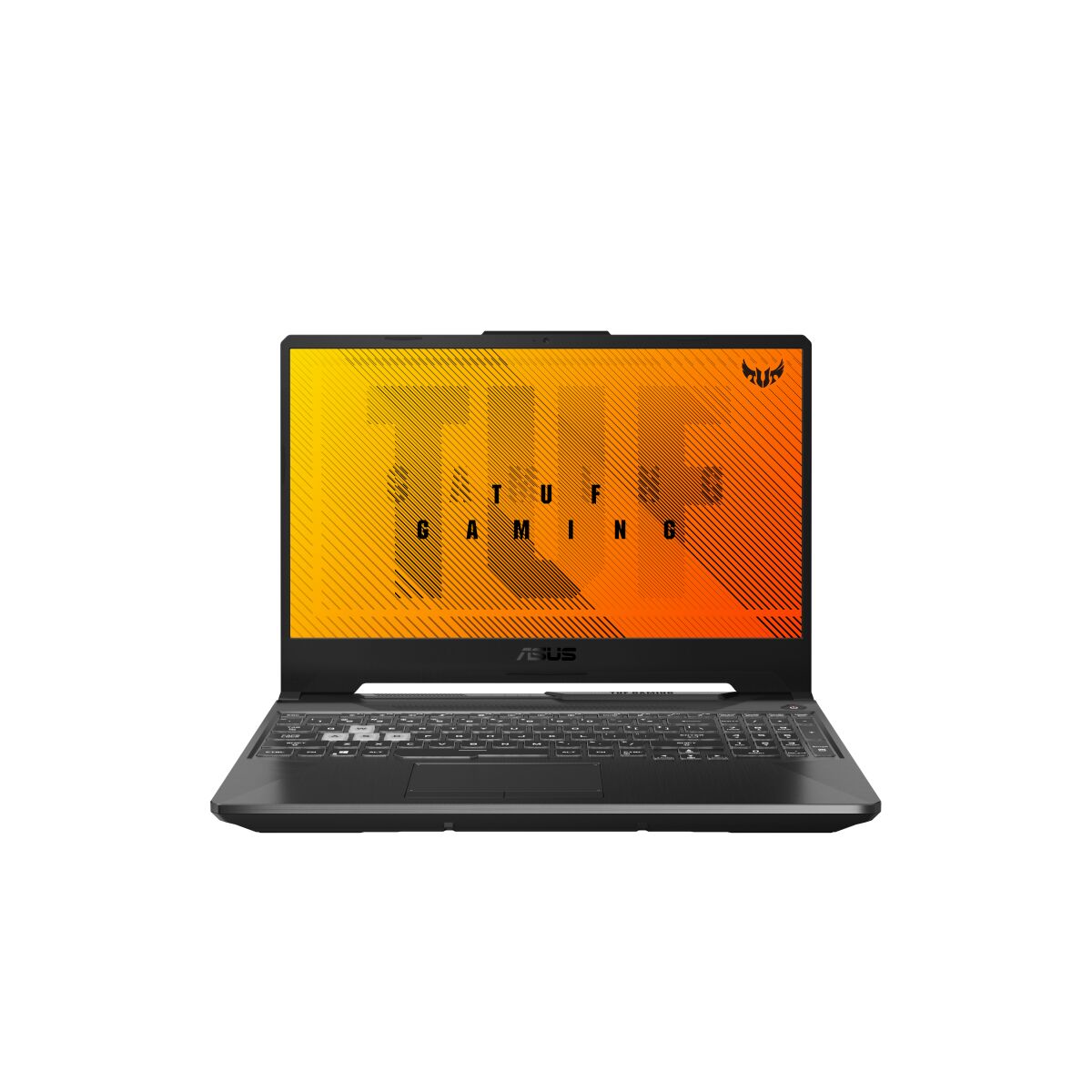
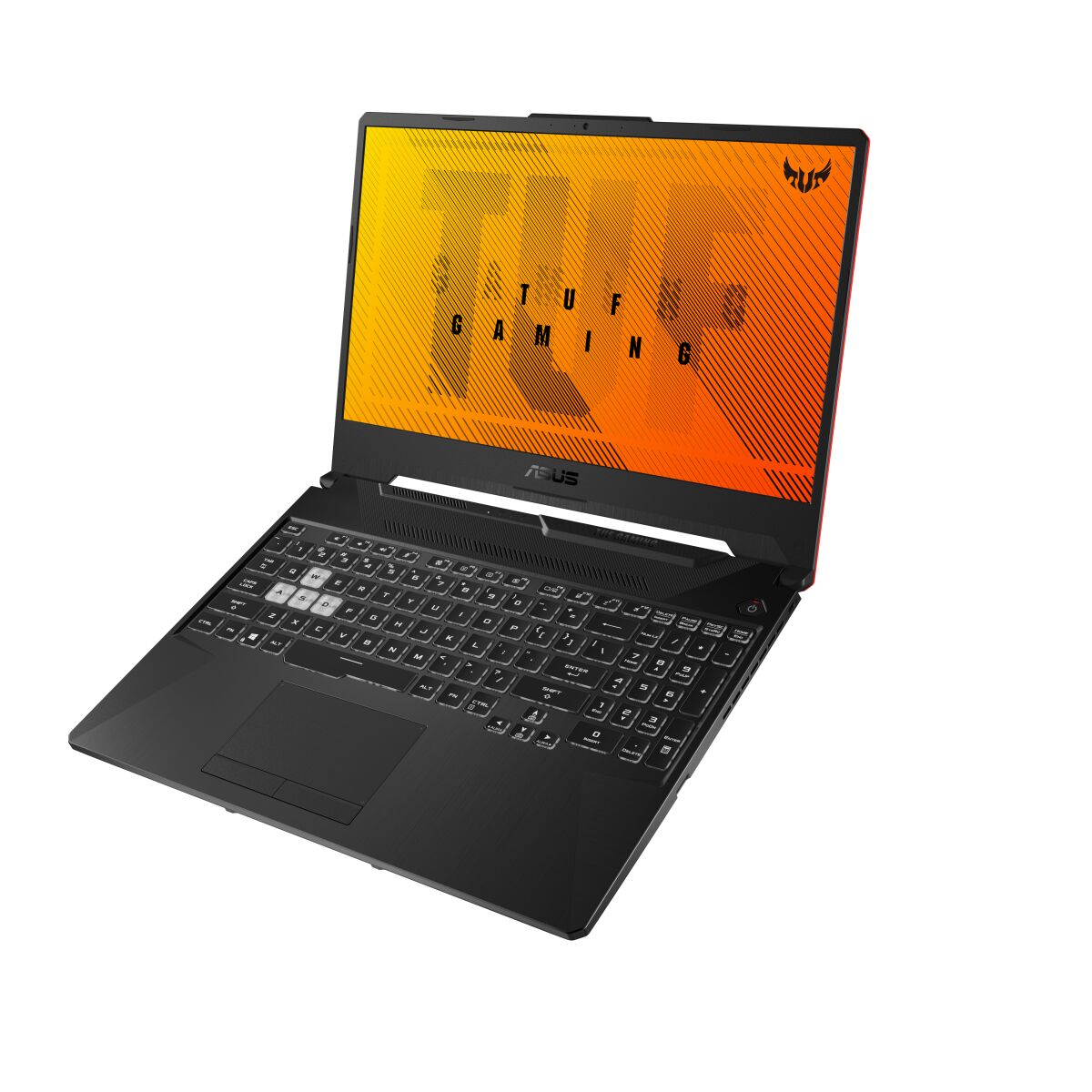
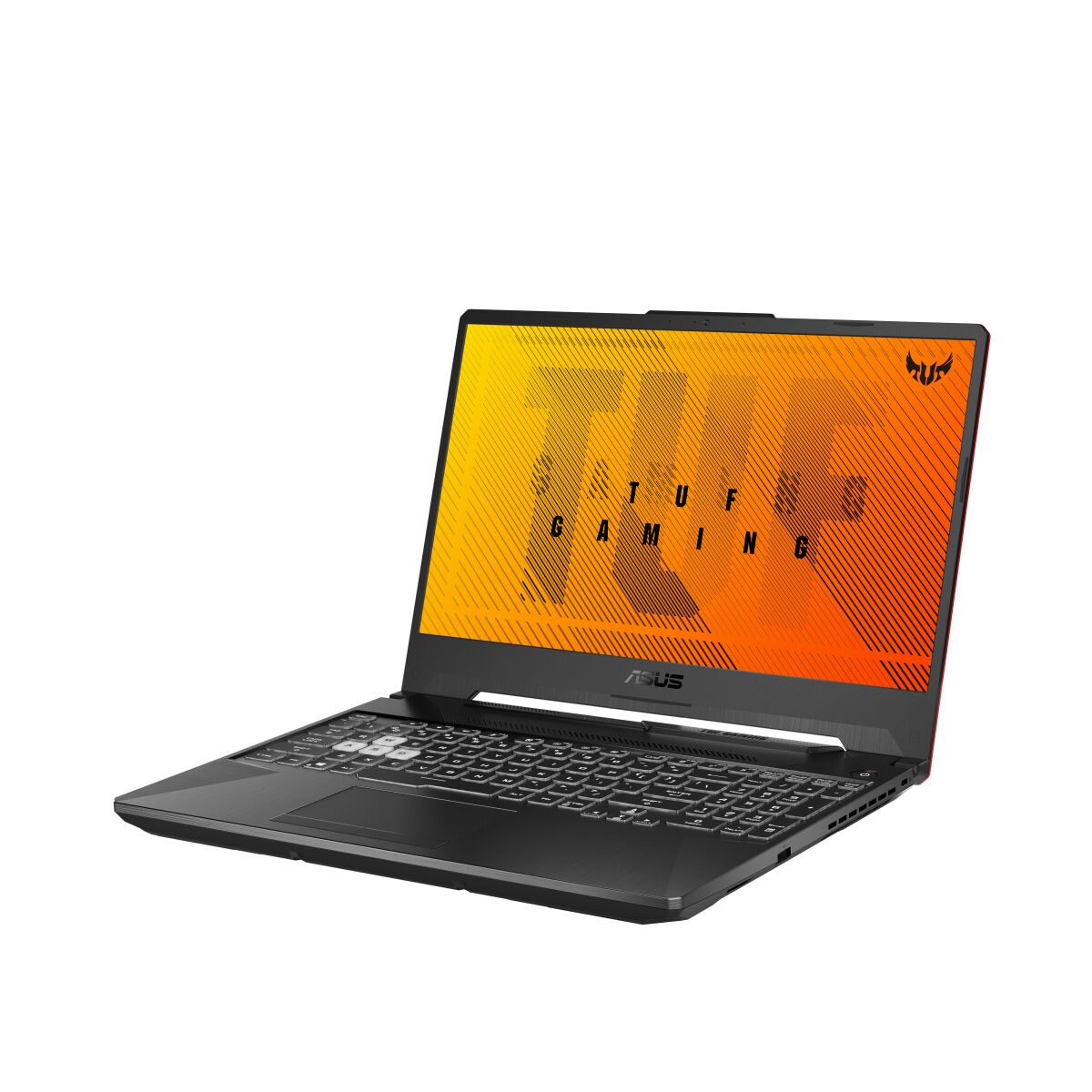

ASUS TUF Gaming F15 FX506LI-BQ051T features DDR4-SDRAM memory configuration with 2x SO-DIMM slots supporting maximum RAM capacity of 32 GB. Memory upgrade specifications include DDR4 technology operating at 2933 MHz frequency with SO-DIMM form factor. Compatible memory upgrades enable expanded RAM capacity for enhanced system performance. Current slots accommodate compatible DDR4 modules meeting maximum specifications for FX506LI-BQ051T gaming laptop.
Memory Upgrade Specifications
| Specification | Value |
|---|---|
| Memory slots | 2x SO-DIMM |
| Form factor | SO-DIMM |
| Memory type | DDR4-SDRAM |
| Frequency | 2933 MHz |
| Maximum RAM | 32 GB |
| Voltage | 1.2V |
| Number of pins | 260-pin |
| Interface | PC4 |
| PC Speed Rating | PC4-2933 (PC4-23464) |
| Bandwidth | 23.5 GB/s |
| Laptop Release date | 25 March 2021 |
Additional Notes
- The ASUS TUF Gaming FX506LI-BQ051T supports DDR4-3200 modules natively, but the system runs memory at 2933 MHz, creating a 267 MHz frequency penalty that reduces effective bandwidth by approximately 8.3 percent compared to rated module speed.
- Both SO-DIMM slots must be populated to enable dual-channel architecture; single-module configurations force single-channel operation, halving memory bandwidth and degrading gaming and multithreaded application performance measurably.
- The 32 GB maximum capacity ceiling requires 2x16 GB modules to achieve full utilization; pairing mismatched capacities (such as 8 GB and 16 GB) leaves 8 GB inaccessible when both slots operate in dual-channel mode on this chipset generation.
- Replacing pre-installed memory voids the manufacturer warranty unless performed by authorized ASUS service centers; users who self-upgrade forfeit warranty coverage for the entire memory subsystem and any related hardware failures.
- The SO-DIMM form factor constrains upgrade sources to laptop-grade modules; desktop DDR4 UDIMM sticks are physically incompatible and will not seat in the retention clips, eliminating cost-effective bulk purchasing options.
- Memory latency increases occur when running non-standard timings on DDR4-3200 modules downclocked to 2933 MHz; stability gains priority over performance in this configuration, potentially requiring manual timing adjustments in BIOS to avoid intermittent crashes.