ASUS TUF Gaming FX506LI-HN011 RAM upgrade specifications

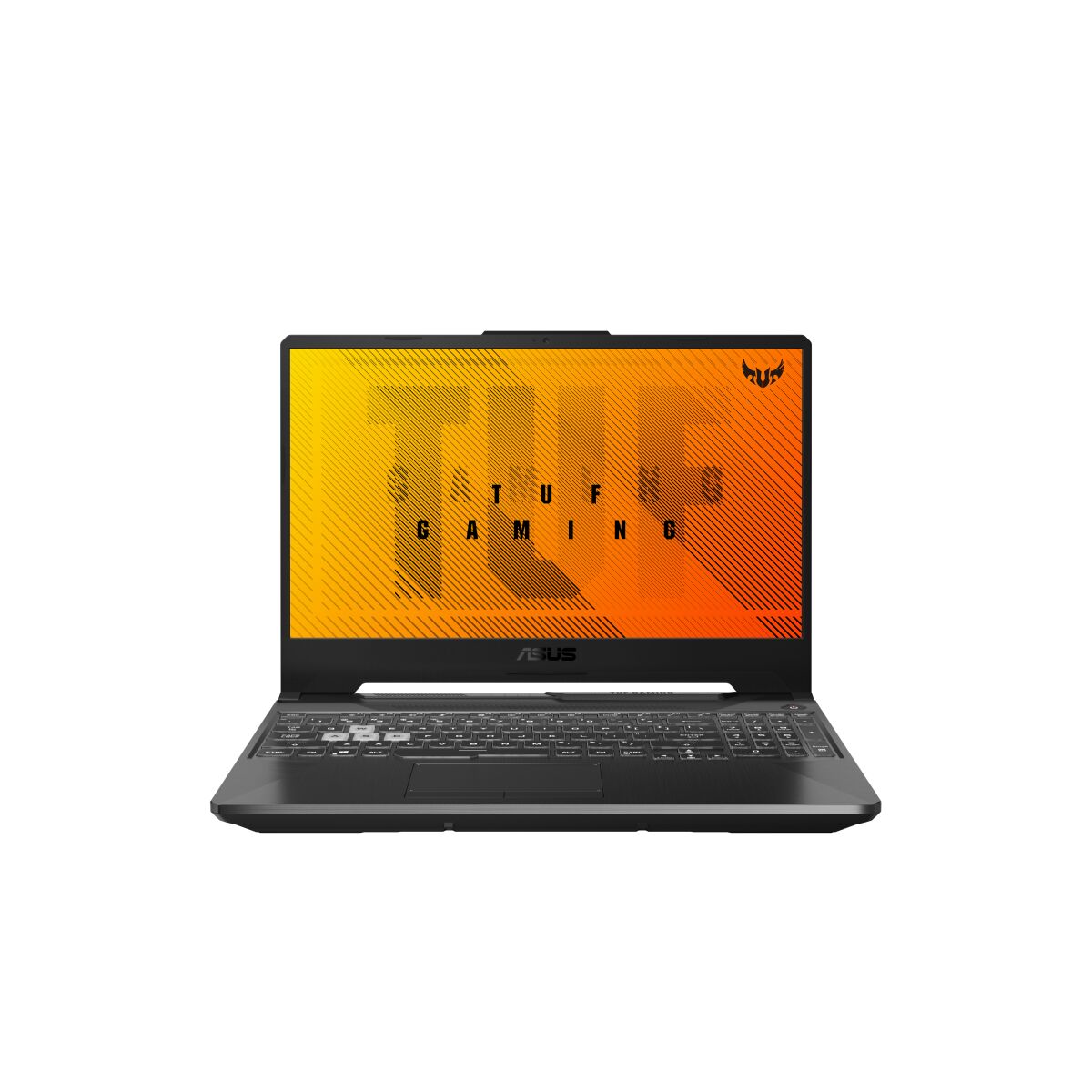
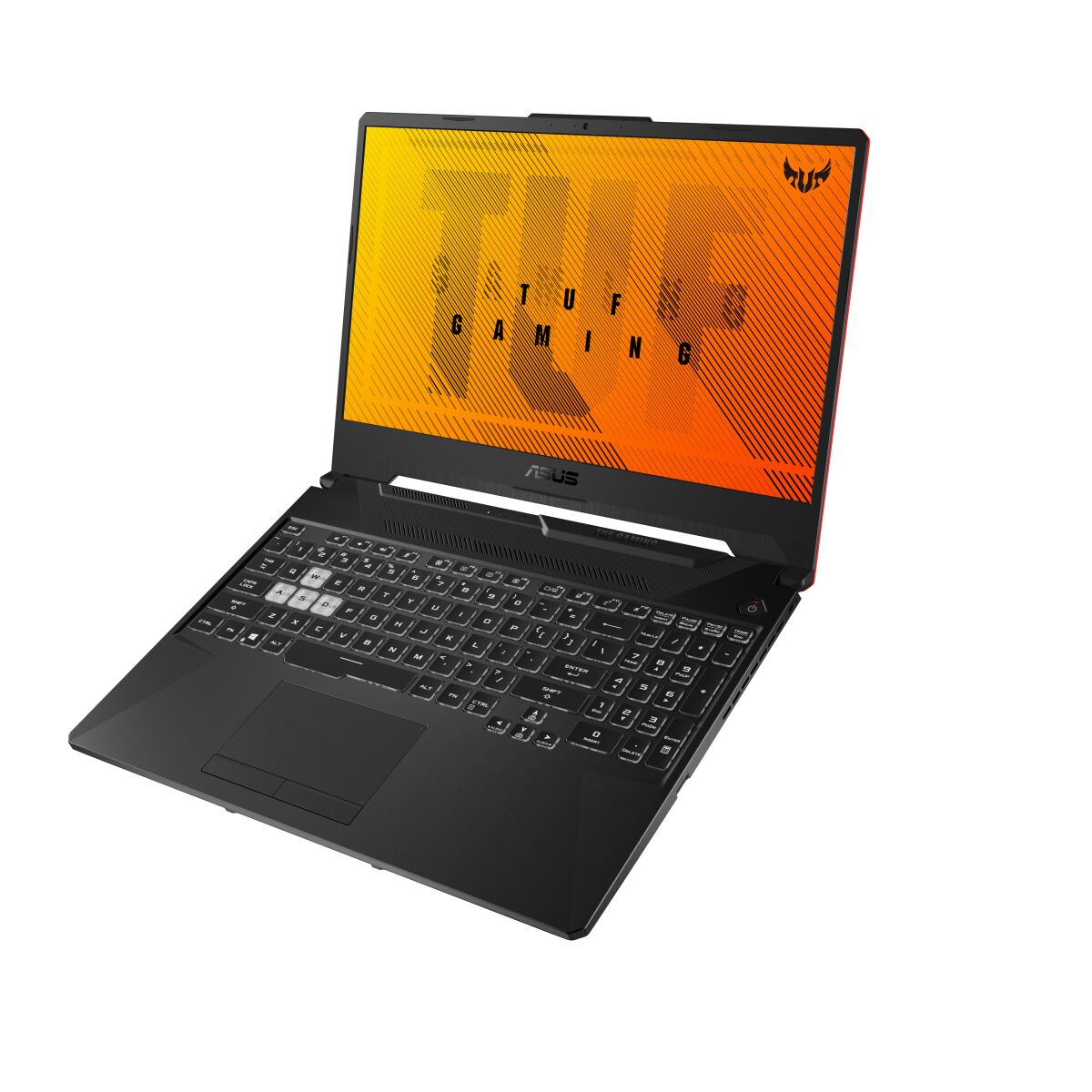
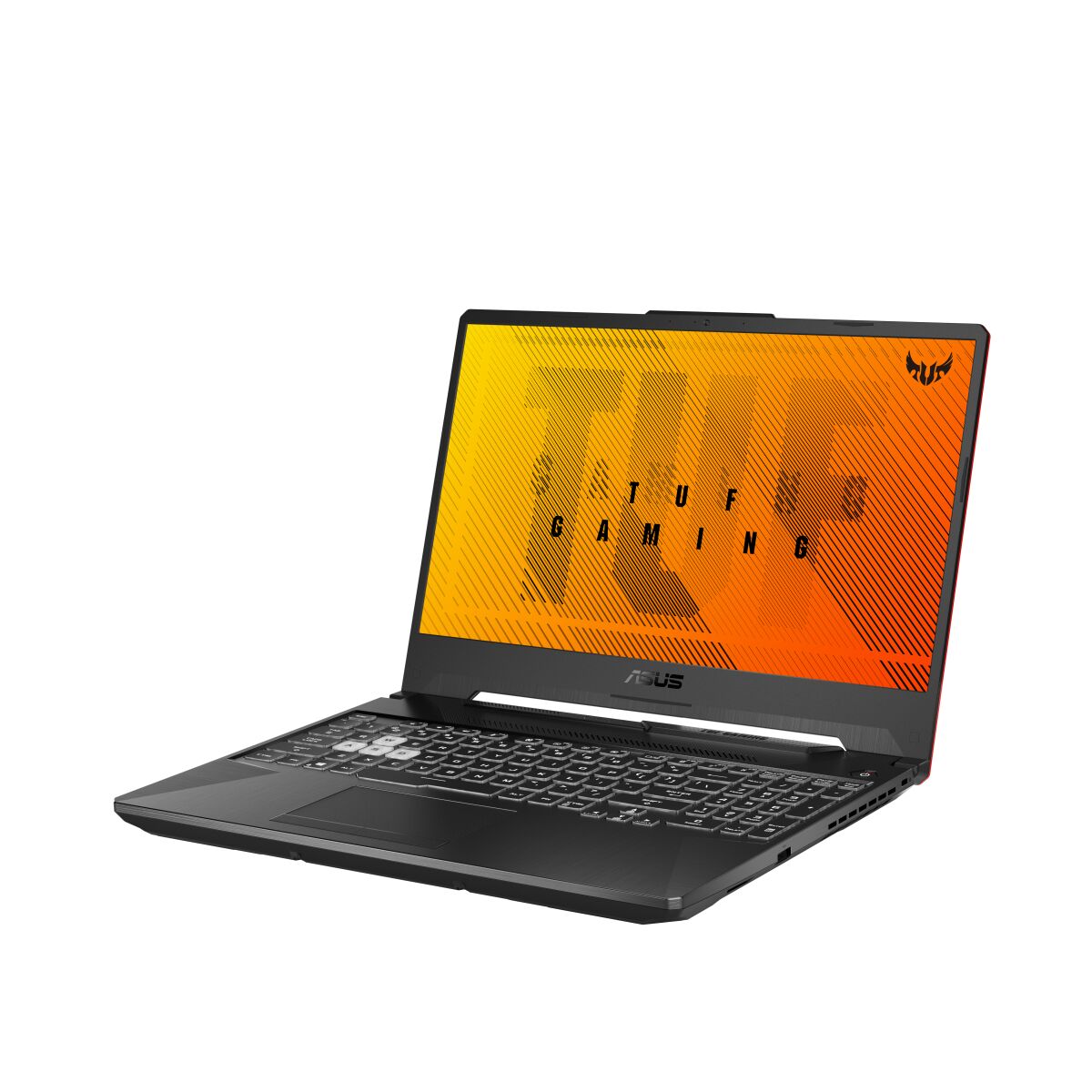
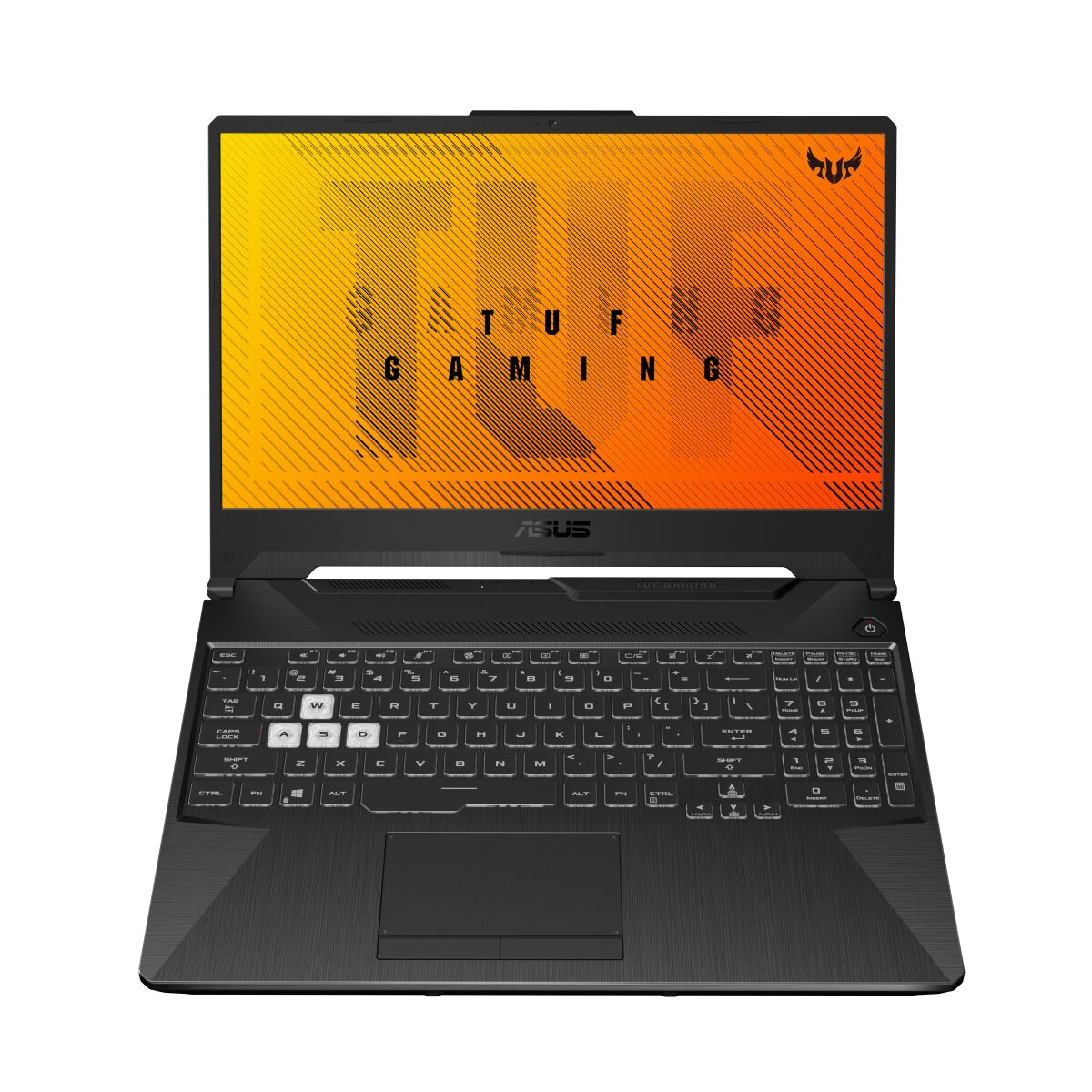
ASUS TUF Gaming F15 FX506LI-HN011 supports DDR4-SDRAM memory upgrades through two SO-DIMM slots. Maximum RAM capacity reaches 32 GB total. Compatible memory operates at 2933 MHz frequency. Upgrade specifications indicate SO-DIMM form factor for memory modules. Existing slots accommodate additional capacity expansion for enhanced performance on this gaming laptop model.
Memory Upgrade Specifications
| Specification | Value |
|---|---|
| Memory slots | 2x SO-DIMM |
| Form factor | SO-DIMM |
| Memory type | DDR4-SDRAM |
| Frequency | 2933 MHz |
| Maximum RAM | 32 GB |
| Voltage | 1.2V |
| Number of pins | 260-pin |
| Interface | PC4 |
| PC Speed Rating | PC4-2933 (PC4-23464) |
| Bandwidth | 23.5 GB/s |
| Laptop Release date | 09 February 2021 |
Additional Notes
- The ASUS TUF Gaming FX506LI-HN011 supports DDR4 modules operating at speeds up to 2933 MHz, meaning faster modules rated at 3200 MHz will downclock to match this limit.
- SO-DIMM modules are smaller than standard desktop DIMM modules and physically incompatible with desktop memory slots.
- The 32 GB maximum capacity constraint requires either 2x16 GB modules or a single 16 GB module paired with one empty slot.
- Installing 2x8 GB modules occupies both slots and prevents future expansion beyond 16 GB without replacing existing modules.
- The dual-channel configuration requires matched pairs of identical capacity modules in both slots for optimal memory bandwidth.
- Running memory in single-channel mode with only one module populated reduces bandwidth by approximately 50 percent compared to dual-channel operation.
- Mixing modules with different speeds forces all modules to run at the lowest common frequency.
- Non-standard voltage modules rated above 1.2V may cause stability issues or compatibility failures with the chipset.
- Accessing the memory slots typically requires removing the bottom panel, which may void manufacturer warranties if protective seals are broken.
- Modules with tall heat spreaders or RGB components may encounter physical clearance issues with the laptop chassis or cooling assembly.
- The memory controller determines the maximum supported capacity per slot, limiting configurations despite theoretical SO-DIMM support for higher densities.