ASUS TUF Gaming FX506LI-BQ057T RAM upgrade specifications

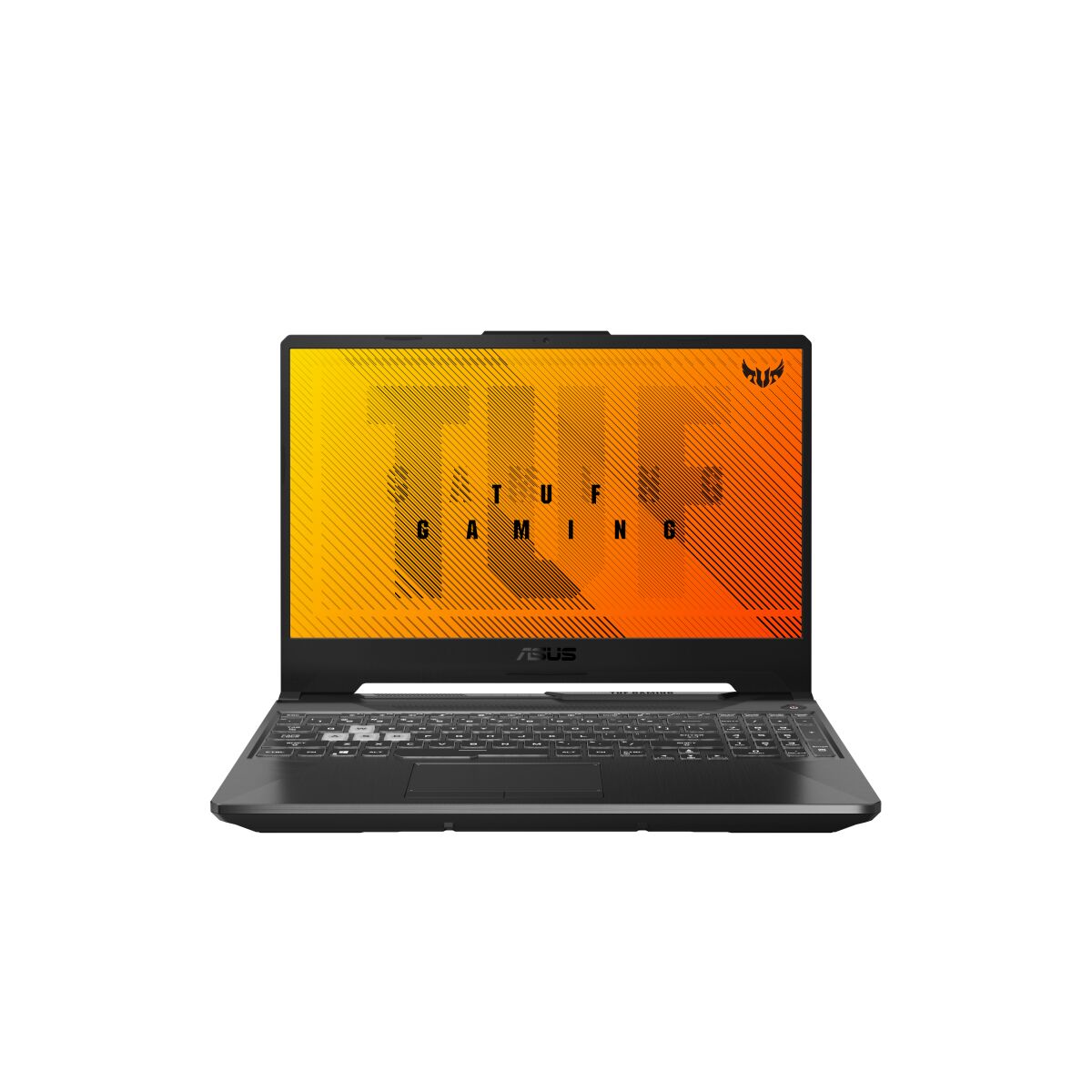
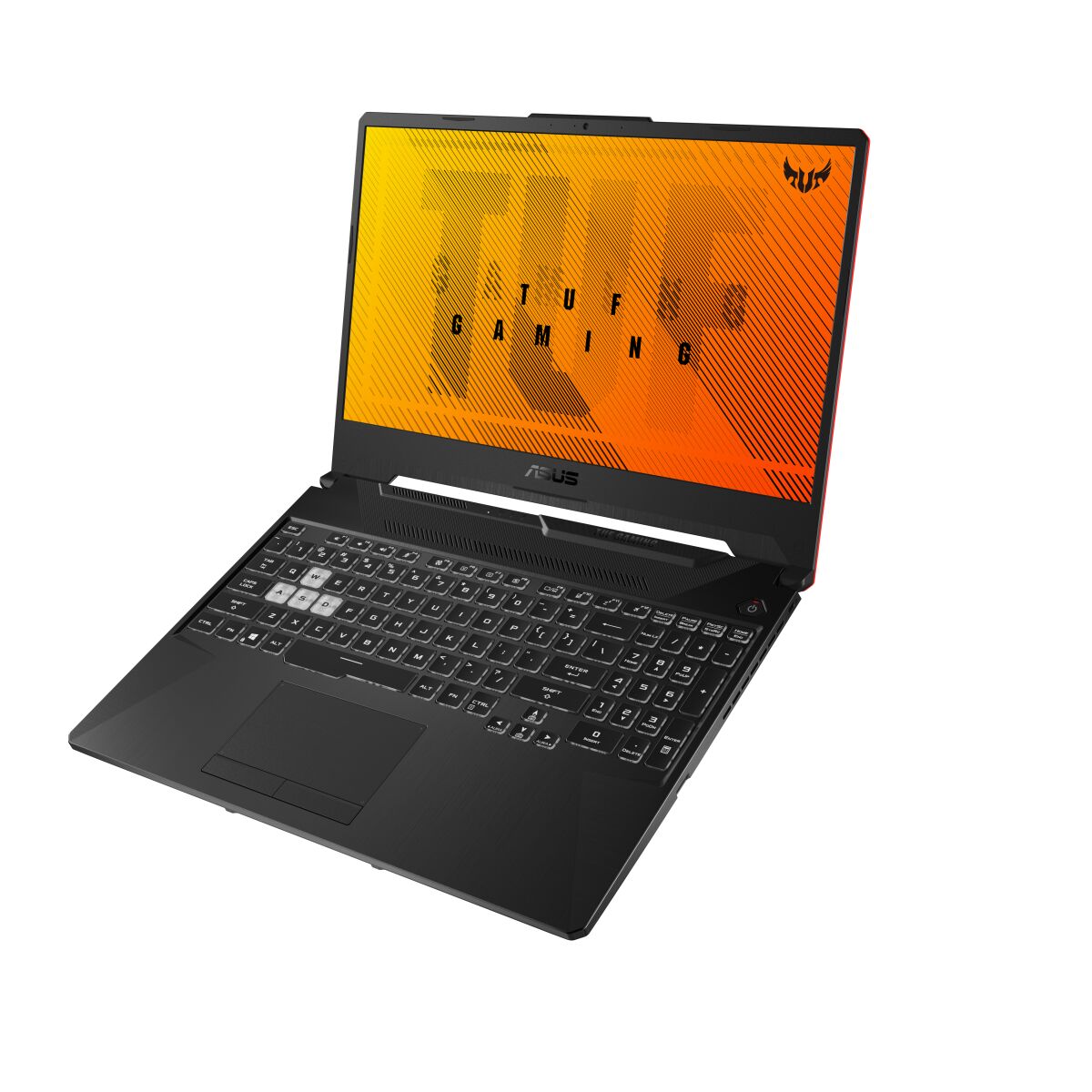
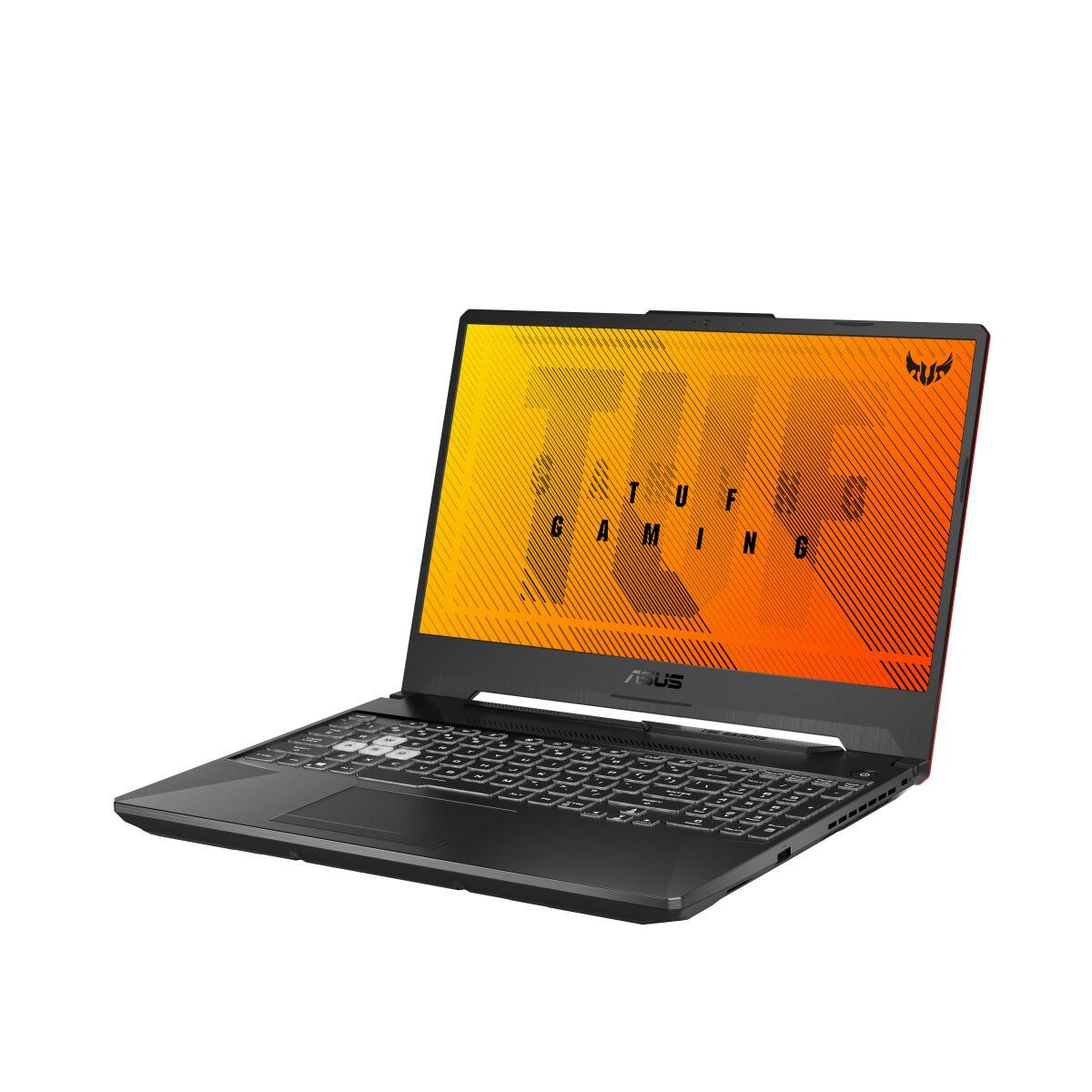
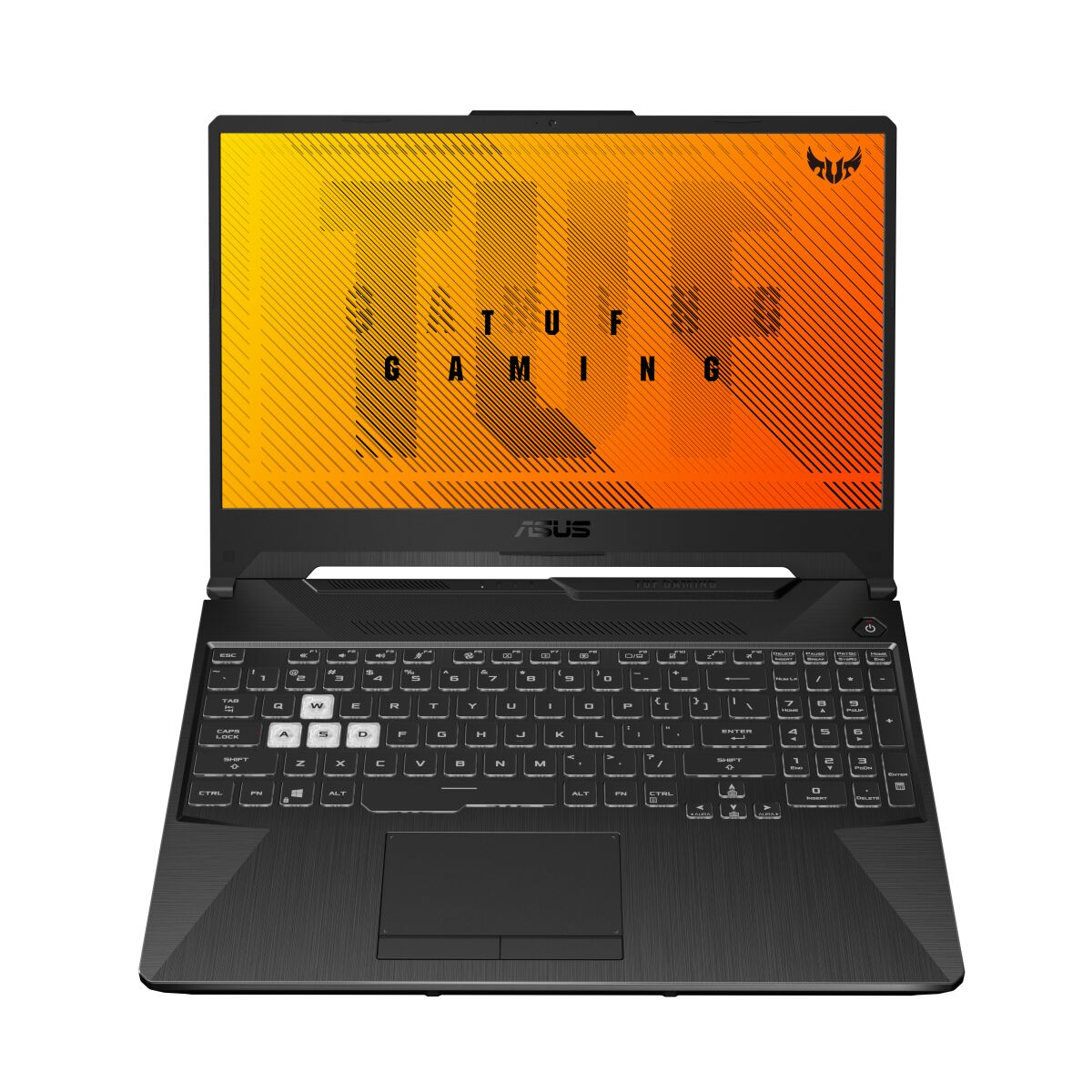
ASUS TUF Gaming F15 series FX506LI-BQ057T laptop features DDR4-SDRAM memory upgrade capabilities with 2x SO-DIMM slots supporting maximum RAM capacity of 32 GB total. Compatible memory specifications include DDR4 modules operating at 2933 MHz frequency in SO-DIMM form factor. Upgrade slots accommodate expansion to reach the maximum supported memory configuration for enhanced system performance.
Memory Upgrade Specifications
| Specification | Value |
|---|---|
| Memory slots | 2x SO-DIMM |
| Form factor | SO-DIMM |
| Memory type | DDR4-SDRAM |
| Frequency | 2933 MHz |
| Maximum RAM | 32 GB |
| Voltage | 1.2V |
| Number of pins | 260-pin |
| Interface | PC4 |
| PC Speed Rating | PC4-2933 (PC4-23464) |
| Bandwidth | 23.5 GB/s |
| Laptop Release date | 10 March 2021 |
Additional Notes
- The 32 GB ceiling exists due to motherboard chipset limitations rather than physical slot constraints, preventing installation of higher-capacity modules even if physically compatible.
- DDR4-2933 represents the maximum validated speed for this ASUS TUF Gaming FX506LI-BQ057T platform, meaning faster modules will automatically downclock to 2933 MHz through JEDEC standard protocols.
- Both SO-DIMM slots must remain accessible without motherboard removal, indicating a bottom panel service door design that preserves manufacturer warranty during memory upgrades.
- Dual-channel operation requires matched pairs, where mismatched module capacities force the system into asymmetric or single-channel mode with measurable bandwidth reduction in graphics-intensive workloads.
- The SO-DIMM form factor physically prevents installation of standard desktop DIMM modules, eliminating cross-compatibility with desktop memory inventory.
- 2933 MHz operation depends on CPU memory controller support, where older or lower-tier processors in the same chassis may limit actual running speed to 2666 MHz regardless of module specifications.
- Mixing different-speed modules defaults to the slowest installed speed across all slots, creating performance regression when adding faster memory to existing slower modules.
- 32 GB configurations require 2x16 GB modules, leaving no populated slots for future expansion without discarding existing modules.
- Non-ECC memory architecture means no error correction capability, making this configuration unsuitable for applications requiring data integrity verification.
- Voltage specifications lock to DDR4 standard 1.2V operation, preventing use of high-performance XMP/overclocked modules that require elevated voltage profiles.