ASUS TUF Gaming FX506LHB-HN348 RAM upgrade specifications
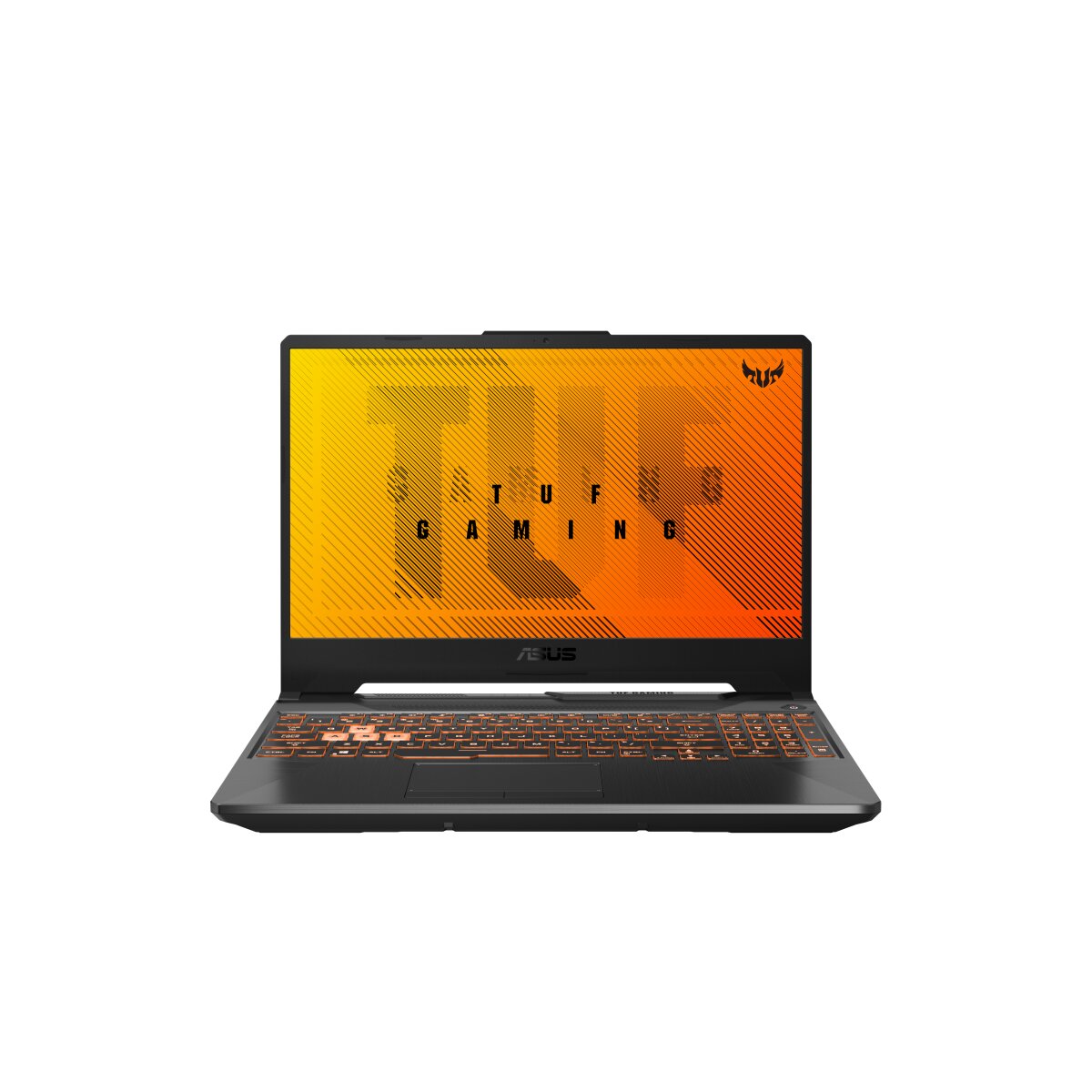
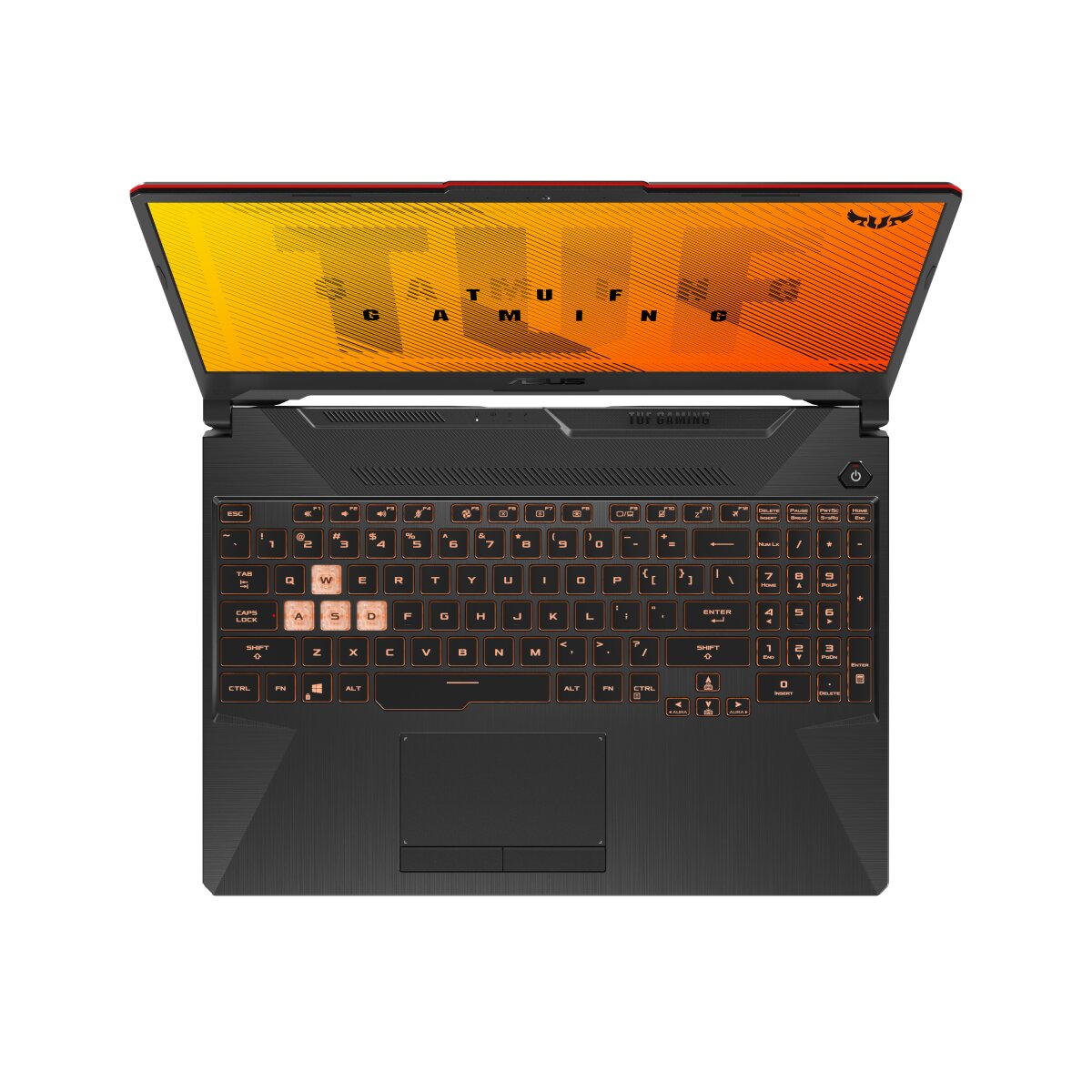

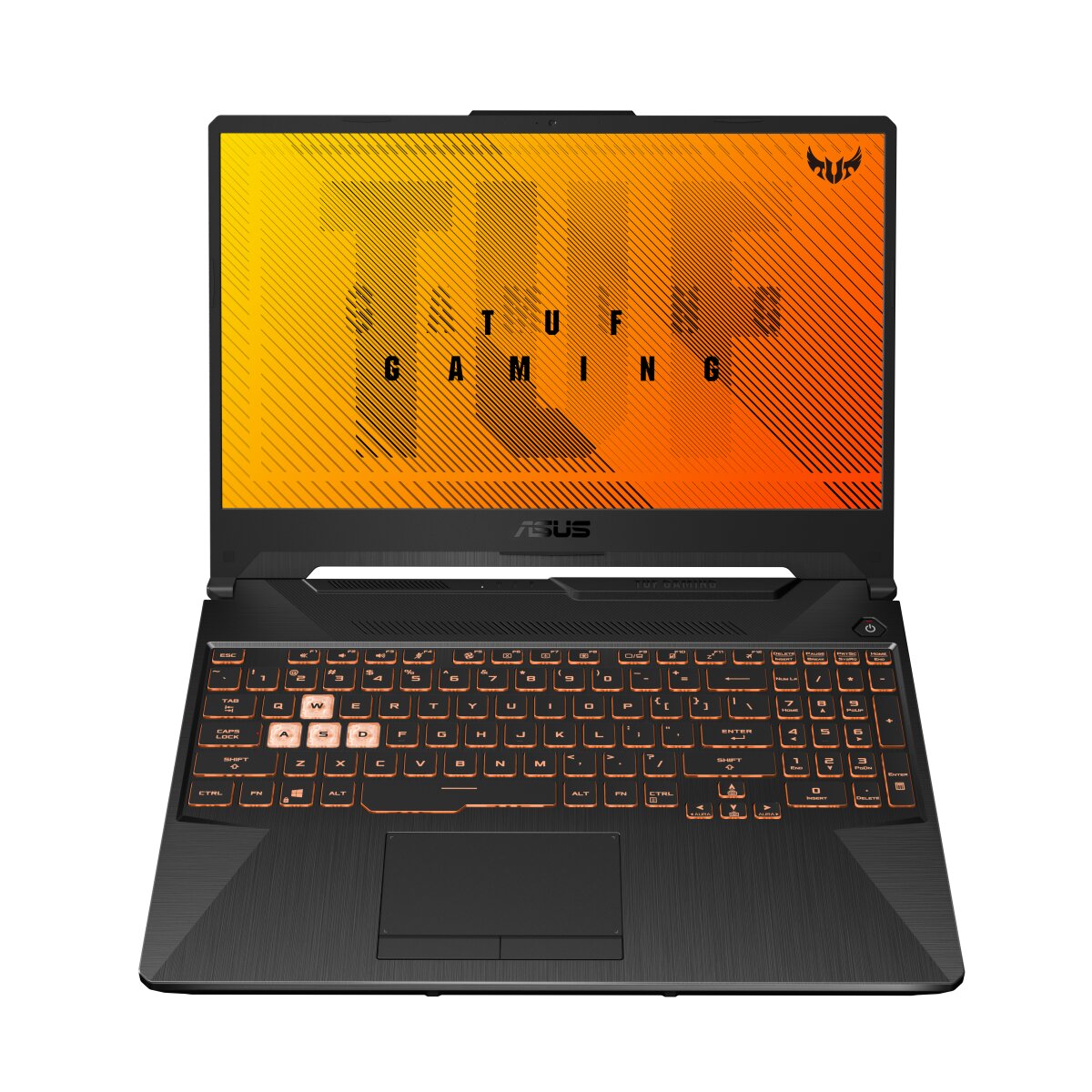
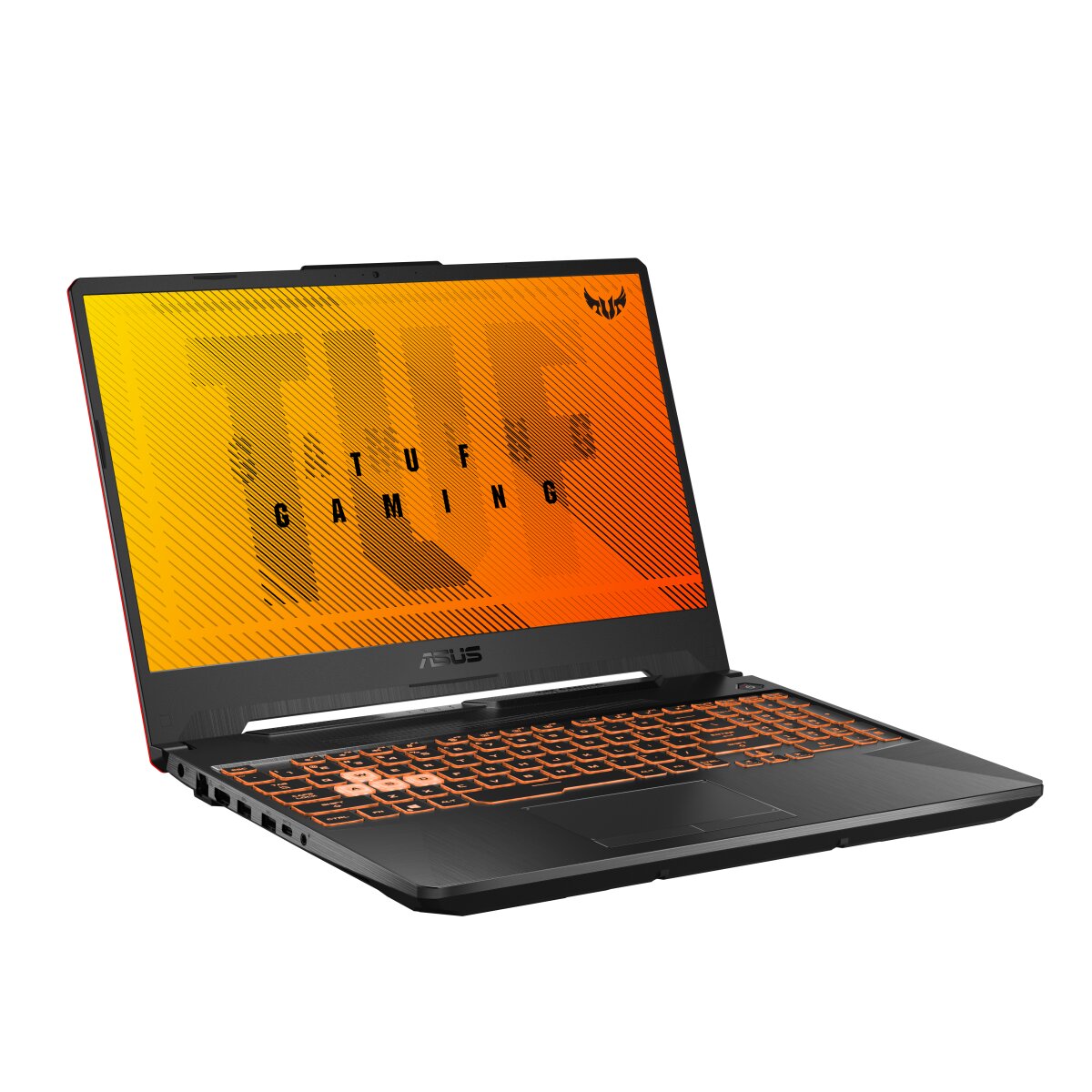
ASUS TUF Gaming F15 series model FX506LHB-HN348 supports DDR4-SDRAM memory upgrades with specifications including two SO-DIMM slots. Maximum RAM capacity reaches 32 GB total. Memory operates at 2933 MHz frequency. Compatible upgrades utilize SO-DIMM form factor modules. Current specifications enable users to expand memory capacity by replacing or adding compatible DDR4 modules within the dual slot configuration, subject to maximum capacity limitations and manufacturer compatibility guidelines.
Memory Upgrade Specifications
| Specification | Value |
|---|---|
| Memory slots | 2x SO-DIMM |
| Form factor | SO-DIMM |
| Memory type | DDR4-SDRAM |
| Frequency | 2933 MHz |
| Maximum RAM | 32 GB |
| Voltage | 1.2V |
| Number of pins | 260-pin |
| Interface | PC4 |
| PC Speed Rating | PC4-2933 (PC4-23464) |
| Bandwidth | 23.5 GB/s |
| Laptop Release date | 28 August 2022 |
Additional Notes
- The ASUS TUF Gaming FX506LHB-HN348 employs SO-DIMM modules rather than standard DIMMs, which limits module availability compared to desktop-oriented memory products.
- The 32 GB maximum capacity constraint is enforced by the Intel 10th generation Core processor's memory controller architecture, not by the physical slot configuration.
- Both memory channels must be populated with identical specifications to enable dual-channel operation, as mismatched modules will force single-channel mode and halve theoretical bandwidth.
- The 2933 MHz frequency represents the maximum JEDEC standard speed supported without overclocking, though actual operating frequency depends on CPU specification and may default to 2666 MHz on lower-tier processors.
- RAM replacement requires bottom panel removal, which involves multiple screw types and potential warranty seal breach depending on regional service policies.
- Upgrading from single-channel to dual-channel configuration can yield 15-30% performance gains in memory-intensive workloads and integrated graphics scenarios.
- Non-standard voltage modules (low-voltage 1.2V or overclocking 1.4V variants) may cause POST failures or require BIOS intervention for stable operation.
- The SO-DIMM form factor measures 67.6 mm in length compared to 133.35 mm for standard DIMMs, preventing accidental installation of incompatible desktop memory.
- CAS latency specifications affect real-world performance, with CL17 or CL19 modules being typical for 2933 MHz DDR4, though the system will auto-adjust to JEDEC timing tables.
- Mixing different memory densities (8 GB + 16 GB configurations) is technically functional but may prevent flex mode operation on some chipsets, resulting in asymmetric channel performance.