ASUS TUF Gaming FX506LHB-HN323 RAM upgrade specifications
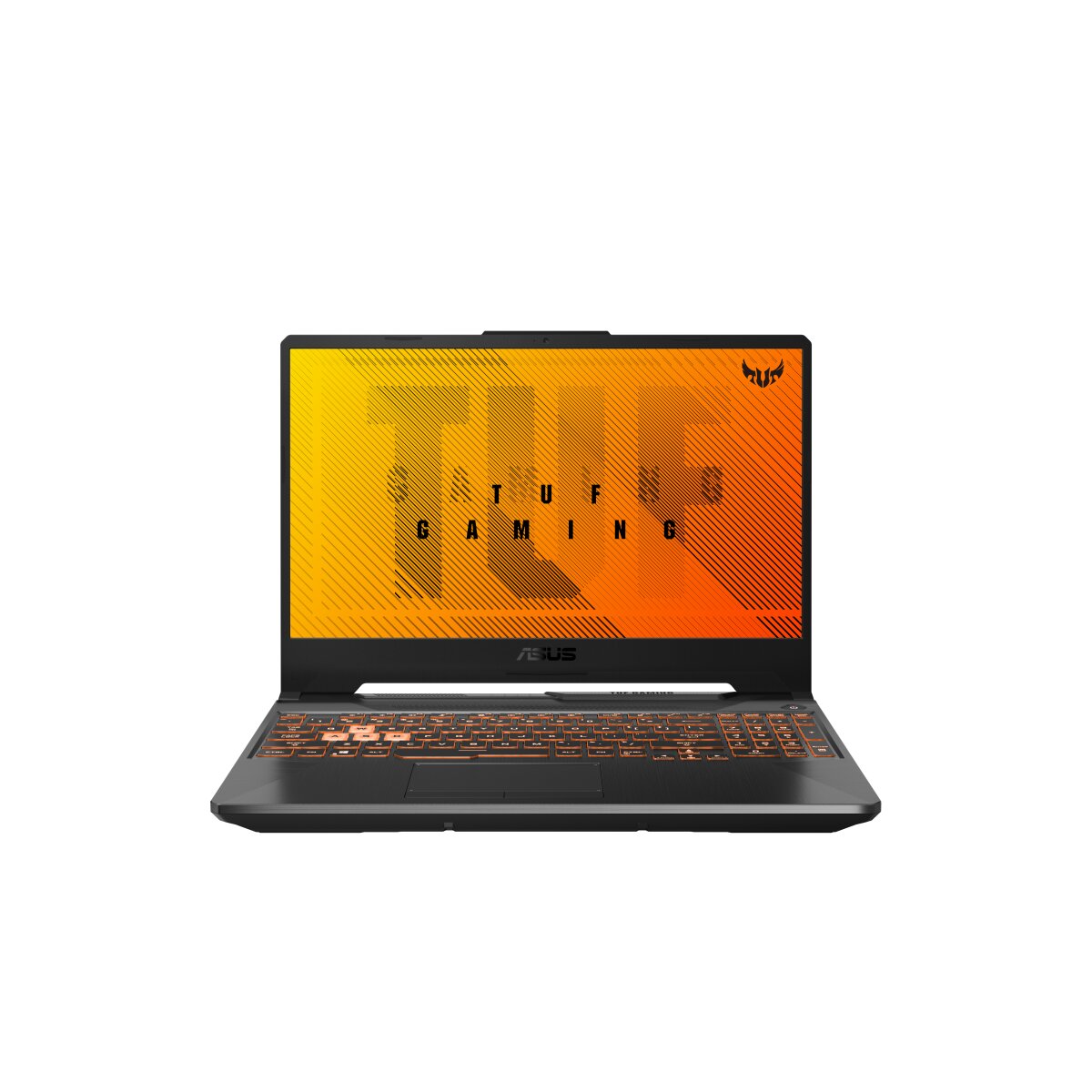
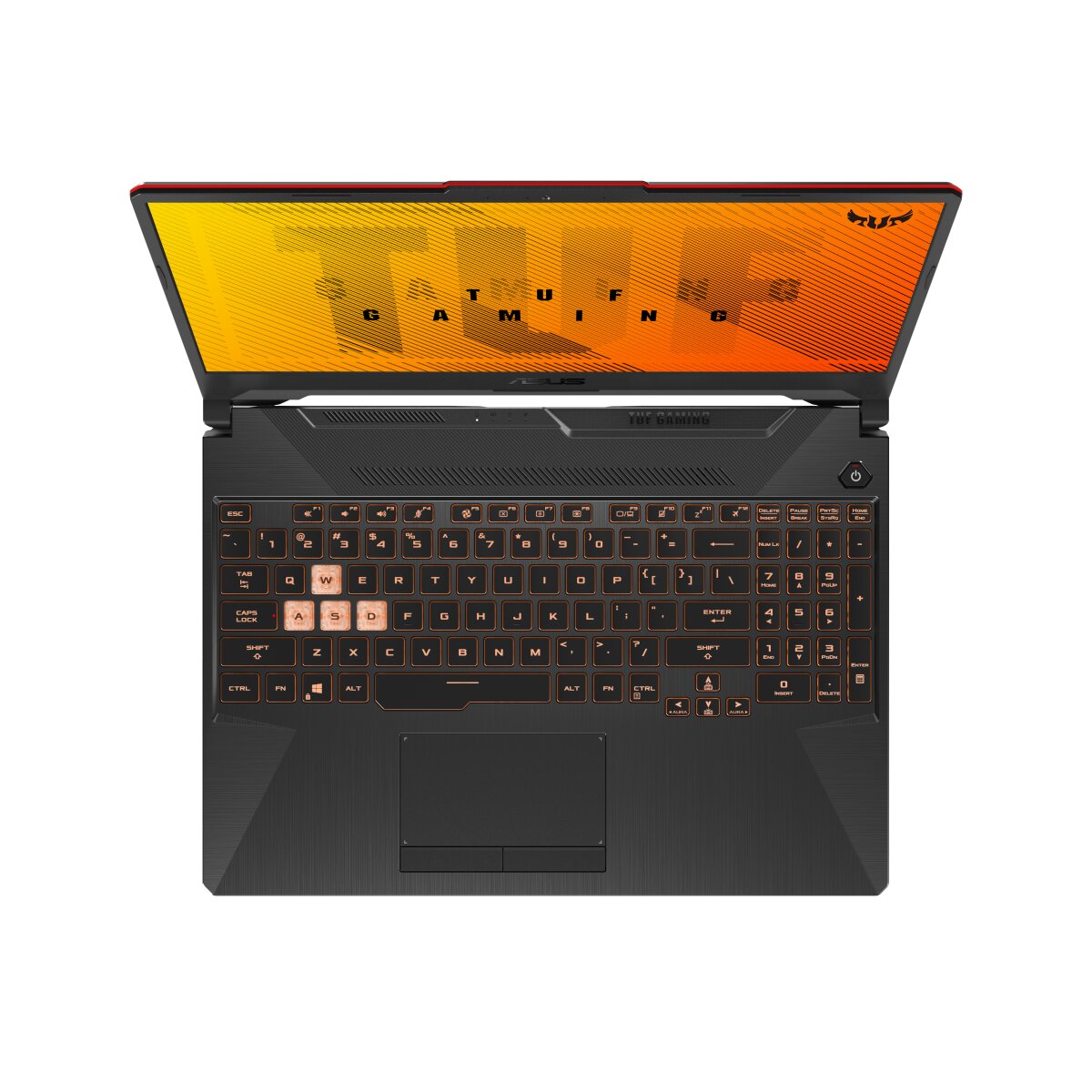

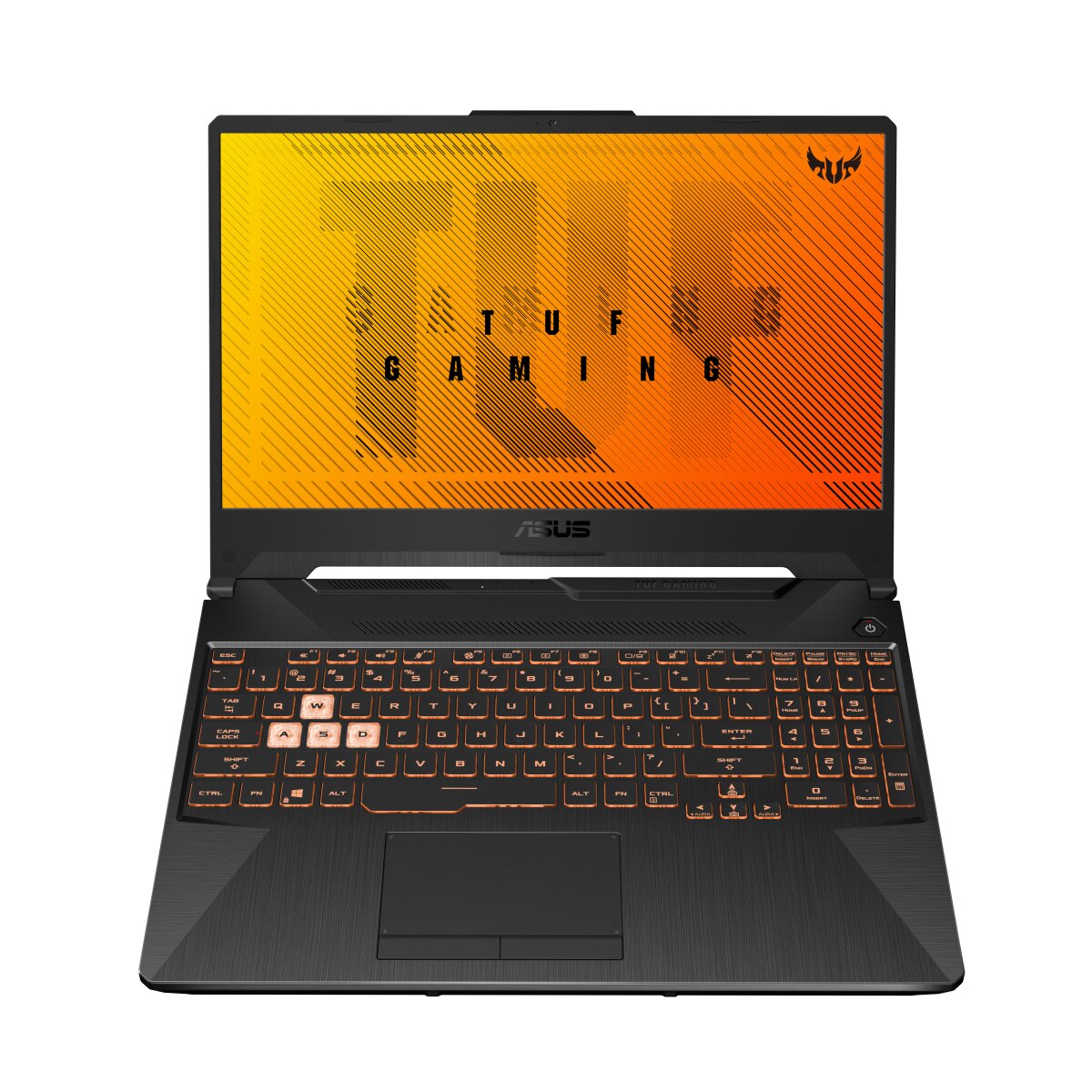
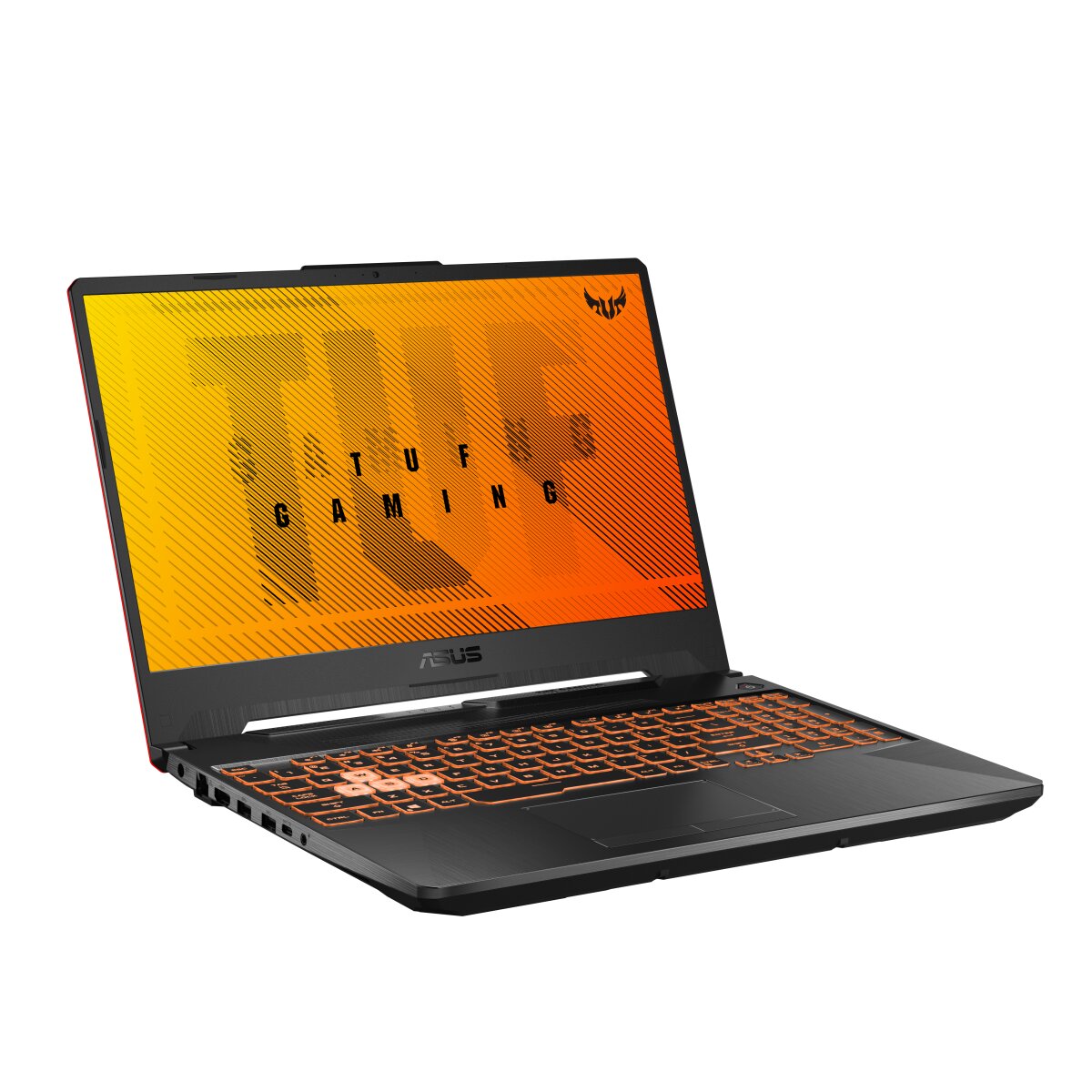
The ASUS TUF Gaming F15 FX506LHB-HN323 laptop features DDR4-SDRAM memory upgrade specifications with 2x SO-DIMM slots supporting maximum capacity of 32 GB total RAM. Memory upgrades utilize SO-DIMM form factor modules operating at 2933 MHz frequency. Compatible DDR4 upgrades enable expansion from factory configurations to the maximum 32 GB specifications. The TUF Gaming F15 series accommodates standard laptop memory modules in dual SO-DIMM slot configuration for enhanced multitasking and performance capabilities.
Memory Upgrade Specifications
| Specification | Value |
|---|---|
| Memory slots | 2x SO-DIMM |
| Form factor | SO-DIMM |
| Memory type | DDR4-SDRAM |
| Frequency | 2933 MHz |
| Maximum RAM | 32 GB |
| Voltage | 1.2V |
| Number of pins | 260-pin |
| Interface | PC4 |
| PC Speed Rating | PC4-2933 (PC4-23464) |
| Bandwidth | 23.5 GB/s |
| Laptop Release date | 07 June 2022 |
Additional Notes
- The 2933 MHz specification indicates CPU memory controller compatibility with 10th generation Intel Core processors, requiring matched frequency modules to avoid automatic downclocking to the lowest installed speed.
- SO-DIMM form factor requirement eliminates standard desktop DIMM modules from consideration, as the 260-pin laptop format differs physically and electrically from 288-pin desktop memory.
- Dual-channel architecture enables theoretical peak bandwidth of 46.9 GB/s when both slots operate with identical capacity and timing specifications.
- The 32 GB ceiling requires 2x16 GB module configuration, as no upgrade path exists beyond this dual-slot population limit without motherboard replacement.
- Single-channel operation results in substantial gaming performance degradation when only one slot remains populated, particularly affecting GPU-dependent frame rates in the ASUS TUF Gaming FX506LHB-HN323.
- DDR4 voltage standard of 1.2V prevents compatibility with DDR3L or DDR3 modules despite similar physical dimensions, as legacy memory operates at incompatible 1.35V or 1.5V levels.
- JEDEC-compliant modules automatically configure timing parameters through SPD chip communication, while XMP profiles remain inactive without BIOS support typical in gaming laptop implementations.
- Mixed-capacity configurations create asymmetric dual-channel operation where only matched portions benefit from bandwidth doubling, leaving excess capacity in larger modules running at reduced single-channel speeds.
- Access to memory slots typically requires complete bottom panel removal, making pre-upgrade verification of existing module configuration necessary to avoid purchasing redundant capacities.
- Higher frequency modules rated above 2933 MHz function but downclock to specification limits, offering no performance advantage while potentially increasing cost unnecessarily.